


Getting to know the ingredients and what they do
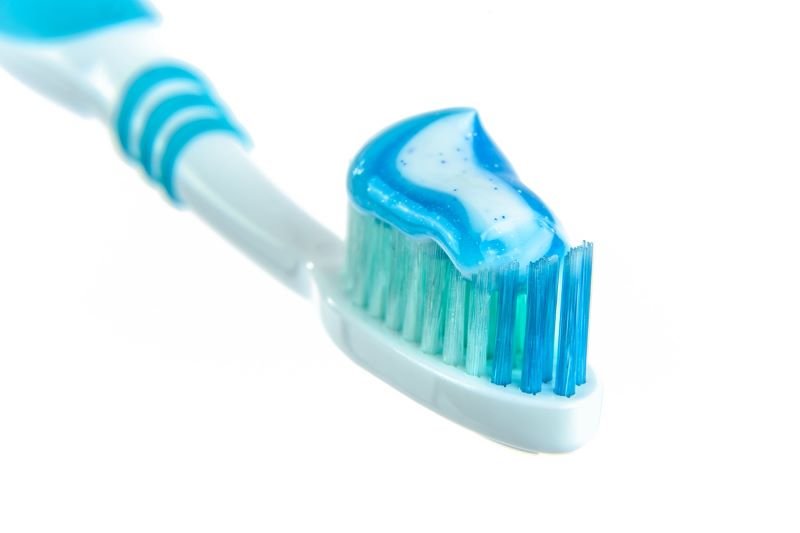
Toothpaste, in some form or another, has been around for well over 5,000 years. The ancient Egyptian recipe melded together powdered ox hooves, burnt eggshells, myrrh, and pumice — apparently, it did not work too well, as the University of Zurich reported that 18 percent of mummies studied between 1979-2009 exhibited multiple forms of dental disease. Ancient Romans used crushed bones and oyster shells to buffer away buildup and powdered charcoal and bark to freshen their breath. Meanwhile, the Chinese were found to favor flavoring agents like ginseng and mint (very progressive).
We’ve come along in the past 200 years. Starting in the 1850s, toothpowders that consumers hydrated themselves gave way to cremes and pastes that held their form in jars (1870s) and tubes (1890s). Ingredients like chalk and soap were gradually phased out. After being introduced in 1914, fluoride became standard in cavity prevention from the 1950s onward.
In the past 30 years or so, the types of toothpaste on the market have diversified considerably. What should you look for? What should you avoid? In this month’s blog post, we’re here to help you make sense of it all.
Fluoride for cavity prevention
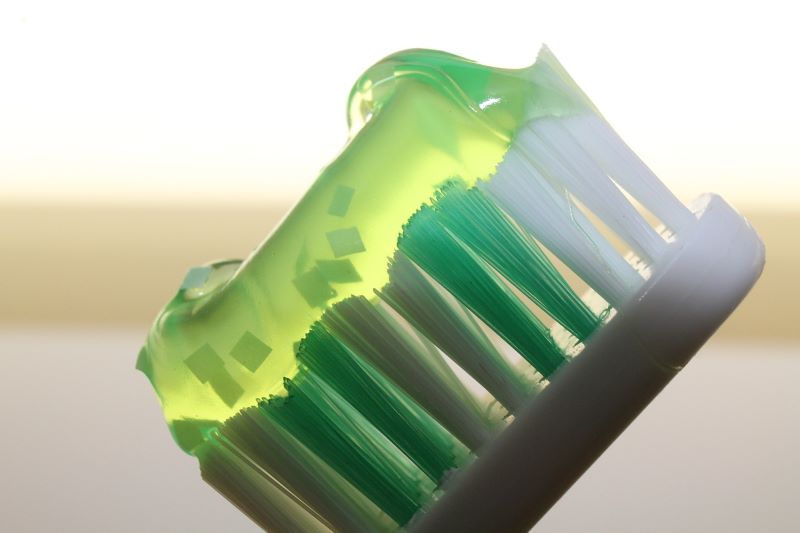
Fluoride’s role is to fortify enamel, the resilient outer portion of the tooth that protects the more sensitive tissues underneath. It activates a process known as remineralization — replenishing the calcium and phosphorous that makes enamel hard. It is a reversal of demineralization, in which acids from food, beverages, and bacterial plaque soften and deplete the enamel. The American Dental Association (ADA) will not approve an anticavity toothpaste unless it contains one of the following: sodium fluoride, sodium monofluorophosphate, or stannous fluoride.
Abrasives to polish
The crushed bones and shells of yesteryear were a bit harsh on the enamel, but they did help scrape away plaque, debris, and stains from the teeth. Abrasives work in tandem with your brushing motion to clear off teeth surfaces, keeping them clean and smooth. Today’s gentler examples may include calcium carbonate, dehydrated silica gels, hydrated aluminum oxides, magnesium carbonate, phosphate salts, flour of pumice, or silicates.
Humectants to limit moisture loss
Without humectants, toothpaste would hardly be a paste. These ingredients help keep things smooth and flowing from the tube to the brush and keep the toothpaste from drying out. They also help by inhibiting bacterial growth in the mouth after brushing. Examples include sorbitol and glycerol or glycerin.
Flavorings and sweeteners for palatability
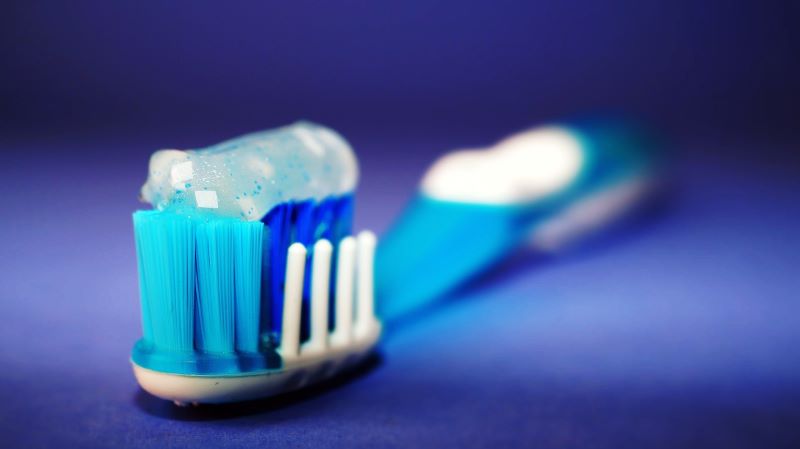
Due to the cunning of advertising genius Claude C. Hopkins and his campaign for Pepsodent, cooling mint became the standard for toothpaste flavoring. However, a host of flavors have always been available and continue to be available. In particular, bubblegum or fruity flavors like lemon-lime or cherry can help instill good brushing habits in young children. Just make sure any toothpaste you buy is sweetened with natural sugar alcohols such as sorbitol or xylitol, as they do not cause cavities. Saccharin may also be used, although as an artificial sweetener, its safety continues to be debated. Check out our pediatric dentistry page for more information on getting your child started on a regular oral hygiene routine.
Surfactants for foaming action
Sodium lauryl sulfate came to replace soap as the primary foaming agent in toothpaste halfway through the 20th century. It is more for effect than function and may cause irritation or canker sores in some. For those who do suffer adverse reactions, SLS-free toothpaste is available and just as effective as regular SLS toothpaste.
Specialized toothpaste
A huge variety of toothpastes have been developed for specific oral conditions since the 1980s.
Here are the key ingredients that make them work.
Anti-gingivitis: stannous fluoride
Tartar control: pyrophosphates, zinc citrate, sodium pyrophosphate
Sensitivity: potassium nitrate, stannous fluoride, strontium chloride
Dry mouth (xerostomia): xylitol
Whitening: hydrogen or carbamide peroxides
A note on non-fluoride toothpaste
Toothpaste without fluoride is not eligible for the ADA Seal of Acceptance. However, there are times when non-fluoride toothpaste may be preferable. Ingredients such as xylitol, green tea extract, and baking soda have demonstrated dental benefits. Moreover, the simple mechanical act of brushing clears away dental plaque. So for those with fluoride sensitivity, brushing with a non-fluoride toothpaste is worlds better than not brushing at all. Children under 2 may swallow too much fluoride, so it’s recommended for toddlers as well.
No matter what toothpaste you use, it’s highly advised to schedule regular dental cleanings to remove the hardened tartar (calculus), which cannot be done with a toothbrush, as well as to check for cavities and other dental lesions. For those seeking a brighter smile, ask about our lifetime whitening program.