


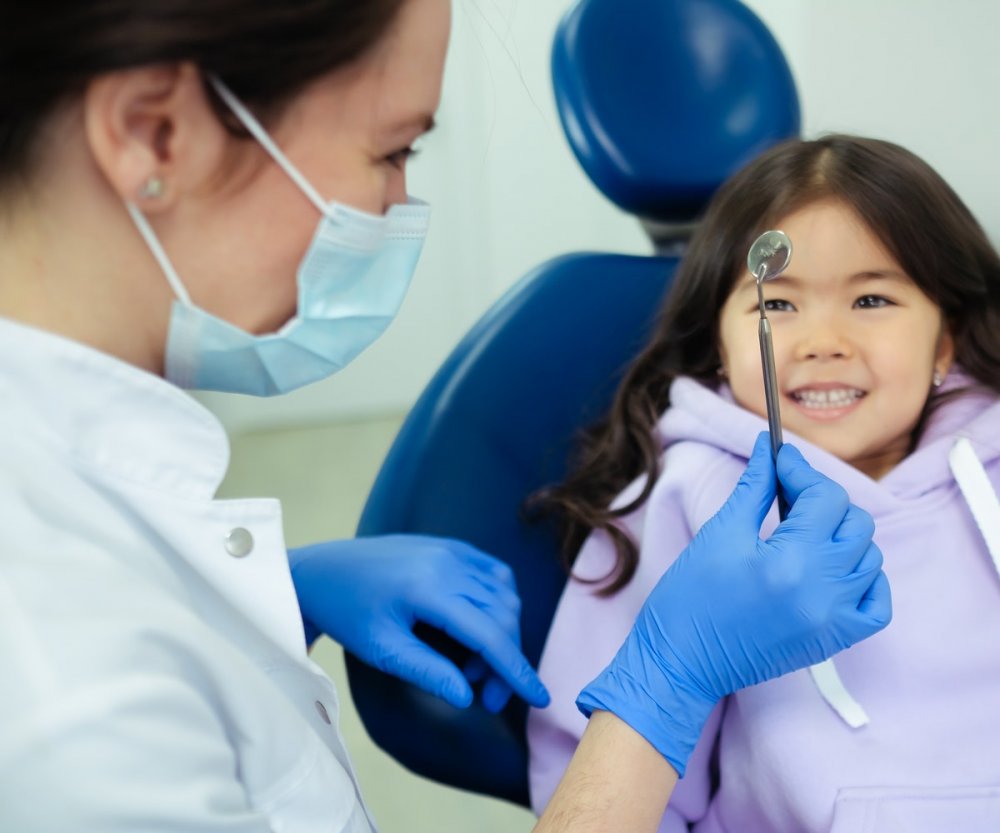
As a parent, it’s normal to want to protect your child from any possible dangers. Preventive dentistry does just that! Preventive dentistry is a term that refers to all the dental treatments and procedures that prevent declines in dental health and stop dental issues before they arise. Preventive dentistry can begin early in childhood - all it requires is taking some additional measures to stay on track with your child’s dental health and development.
At Sleep Dentistry, we offer pediatric dentistry services, which are separate from general dentistry and focus solely on your child’s oral health and dental development. We love providing foundational knowledge to parents to help them assist in their child’s dental development. However, preventive dental care for children doesn’t just take place in the dentist’s office. We’ve compiled a list of dental tips you may want to consider implementing in your child’s regular dental care routines.
Dental Issues from Thumbsucking
Contrary to what some may think, thumbsucking in children isn’t inherently bad. Children start thumbsucking for many different reasons, most often as a source of comfort. Although thumbsucking is a normal habit in many children, it’s generally discouraged once your child reaches ages 4 and 5. Thumbsucking during these growing periods can lead to your child’s teeth developing abnormally. Misaligned dental structure, developing an abnormal bite, and issues with the roof of their mouth are all potential issues that can come from thumbsucking.
The best way to prevent dental issues related to thumbsucking is to be patient with your child and use positive reinforcement as you encourage them to stop. Start by rewarding your child when they aren’t thumbsucking or set limits during certain times of the day to start small. Ask your dentist for more information about thumbsucking at your next appointment.
Drinking Water with Fluoride
Working to implement healthy oral habits with your child doesn’t always have to be reactive - it can also be proactive. Drinking water with a greater amount of fluoride can help your child’s dental health without them even noticing it (parents, that's what we call a small win). Regular drinking water typically contains some level of fluoride. Water that has a higher fluoride content, however, can have many benefits to dental health.
Water with high fluoride levels can help strengthen teeth, prevent tooth decay, and protect your child’s teeth against harmful bacteria, which could lead to cavities. A great way to find out if your tap water at home has a high level of fluoride is to visit the CDC’s website, “My Water’s Fluoride”. You can start by searching for your state and then narrowing it down to your respective county.
Preventing Cavities
Cavities are a common issue early on in childhood. Many parents may think that the main cause of cavities is an excessive amount of sugar, and although sugar does have a role to play, it’s not the only culprit of cavities. Harmful bacteria which feed on an excess of sugar, water with little to no fluoride content, and minimal saliva production (dry mouth) can all increase the risk of cavities in children. Here’s the good news: by reinforcing healthy dental habits, it’s easy to reduce your child’s risk of developing a cavity.
Brushing and Flossing Teeth
Cavities are mainly caused by a buildup of harmful bacteria in the mouth. This bacteria can develop from food particles or a buildup of plaque that grows to become a cavity. By encouraging brushing and flossing into your child’s daily routine, not only will you help develop healthy dental routines, but you’ll help eliminate the possibility of cavities. In infants, you can prevent a buildup of bacteria by using a damp washcloth or soft gauze to clean the inside of their mouth until they can begin brushing their teeth.
Limiting Sugar Intake
Sugar isn’t the sole reason that cavities develop (no need to worry, you can still enjoy some sweets now and then). However, if you’re concerned about a cavity developing or want to prevent previous cavities from returning, you may need to limit your child’s sugar intake. Harmful bacteria that create cavities feed on sugar content in the mouth.
Monitor how much sugar your child consumes in a given week and see if there are any healthy alternatives you could implement. For example, instead of eating a couple of pieces of chocolate, try opting for dental lollipops. These are made to fight the development of cavities while remaining tasty at the same time.
Dental Sealants for Children
Dental sealants aren’t recommended as a primary solution for fighting your child’s cavities, however, they can be an additional safeguard. A dental sealant is a thin coating of plastic resin that coats the surface of the teeth. This prevents a buildup of bacteria, plaque, and food residue. Having a sealant applied to your teeth is a quick and easy process, and it’s completely pain-free. Once you’ve had a dental sealant applied, it can last for several years before it needs to be reapplied.
Comfortable Dental Visits with Sleep Dentistry
Although preventive dentistry has a light list of to-do’s, visiting the dentist for any reason can still be stressful for your child. Sleep Dentistry is committed to both the healthy development of your child’s teeth and providing the maximum amount of comfort during their time in our office. We offer general anesthesia and dental therapy dogs to help make their stay that much more enjoyable.