

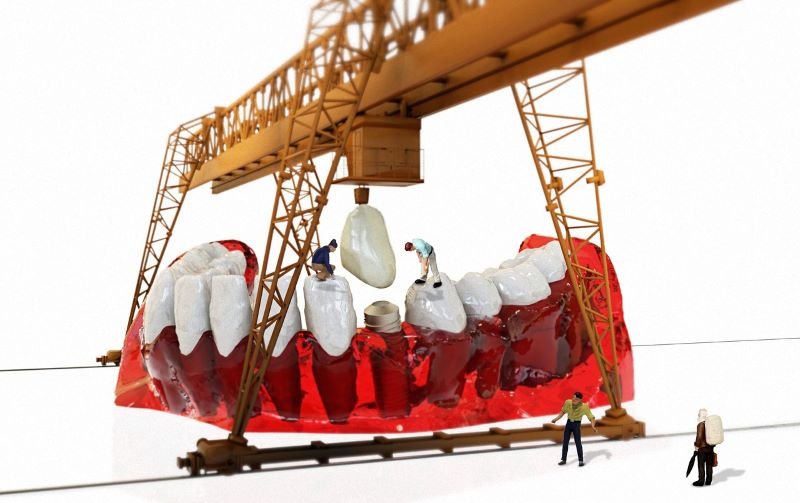
Tooth Restoration Treatment in Erie, PA

Sleep Dentistry Erie has extensive experience in restoring teeth. Tooth restoration treatment involves the different ways a dentist can replace or repair your teeth. Parts of your teeth can be lost or destroyed due to decay, fracture or injury. It's extremely important to repair a damaged tooth that's been exposed to decay or injury. Tooth restoration prevents the spreading of decay which would ultimately destroy the tooth.

Tooth Restoration Services Erie, PA

Tooth Restoration Options

Fillings

The most common type of tooth restoration, wherein silver amalgam or composite resin is filled into a cavity, set in place, ground, and polished.

Crowns

Constructed from ceramic or porcelain material, a dental crown provides a new "cap" for damaged or weakened tooth. 

Bridges

Dental bridges are designed to span a gap of missing teeth with false teeth (pontics), supported by crowns or implants on either side.

Implants

Dental implants are as close as it gets to a brand new tooth! A titanium screw is surgically implanted into the jawbone, to which an artificial tooth is mounted.

Dentures

Dentures are a prosthetic dental appliance fabricated to replace either a full or partial set of teeth. 

Sleep Dentistry Erie also offers orthodontic treatment, smile makeovers, and a lifetime whitening program to help with the teeth restoration process as well.

View FAQs Contact Us 


Frequently Asked Questions About Tooth Restoration

How can I spot a cavity?

In a cavity’s earliest stages, you’ll probably feel it before you see it. You may experience pain from bite pressure or sensitivity to heat or cold. As the decay accelerates, the damage will become visible and you’ll be able to spot the cavity as a hole or dark spot on the tooth. The key is to trust your feelings and call your dentist as soon as you notice discomfort. 

What are the best methods for preventing tooth decay?

Preventing tooth decay is a twofold process. A healthy, balanced diet provides less fuel for the bacteria that eat away at enamel and cause inflammation. Limit refined sugars, carbohydrates, and acidic foods, especially between meals. A dedicated dental regimen that includes brushing and flossing at least twice a day removes plaque and debris from tooth surfaces and between the teeth.

Which dental filling material is best?

The types of materials used in dental fillings have evolved over the years, and today’s fillings are more resilient than ever. Composite fillings are matched closely to the color of your natural teeth and bonded directly to tooth surfaces. As such, they’re less noticeable and more versatile than other types of dental fillings. However, they are less durable than traditional silver amalgam fillings, which last twice along, but are prone to other issues like fracturing or discoloring the surrounding tooth structure. Porcelain ceramic fillings offer the best of both worlds, boasting both a natural appearance and longevity. However, their price point may be prohibitive for some patients, comparable to gold as a dental filling material. 

What is the difference between dental bridges and implants?

Both dental bridges and dental implants address the matter of missing teeth, but they do so in different fashions. A dental bridge is a sequence of one or more false teeth (pontics) supported by abutments (existing teeth or implants) that literally “bridge” the gap created by the missing tooth or teeth. A dental implant is a crown anchored into the jaw bone with a titanium screw and is almost like an entirely new tooth. For a more in-depth explanation of the differences between dental bridges and implants, read our linked blog post.

I suffer from dental fear or anxiety. Can tooth restorations be performed without pain?

Yes! Most dentists will utilize a local anesthetic such as novocaine or lidocaine around where the work is being performed, except during more drastic procedures such as bone grafts to replace missing jaw structure or when multiple implants need to be placed. Sleep Dentistry with Dr. Mahoney utilizes general anesthesia, which allows more work to be done in fewer visits and with no pain or recall of the procedures.

How much does a tooth restoration cost?

That depends on the extent of the work being done and whether or not you have dental insurance. Composite fillings average about $250 per tooth but can cost more if more surfaces need to be filled. A dental crown can range from $800 to $1,700 because of the more involved process. Traditional dental bridge costs usually fall between $2,000 and $5,000. The cost of dental implants ranges widely, from $1,500 to $30,000, depending on how many are needed. 

When do I need dentures?

When toothaches intensify in frequency in severity, gums swell and bleed, teeth shift, and it becomes difficult to chew or process food, it may time to consider dentures — especially if you are already missing teeth.

Where To Find Us 

📍 Address: 3915 Caughey Rd, Erie, PA 16506
 
📞 Phone:  (814) 833-3505
 

Recent Posts

Smile Makeovers: Revitalizing and Restoring Teeth

Posted on September 25th, 2019 at 9:28 AM
Smile Makeovers: Revitalizing and Restoring Teeth

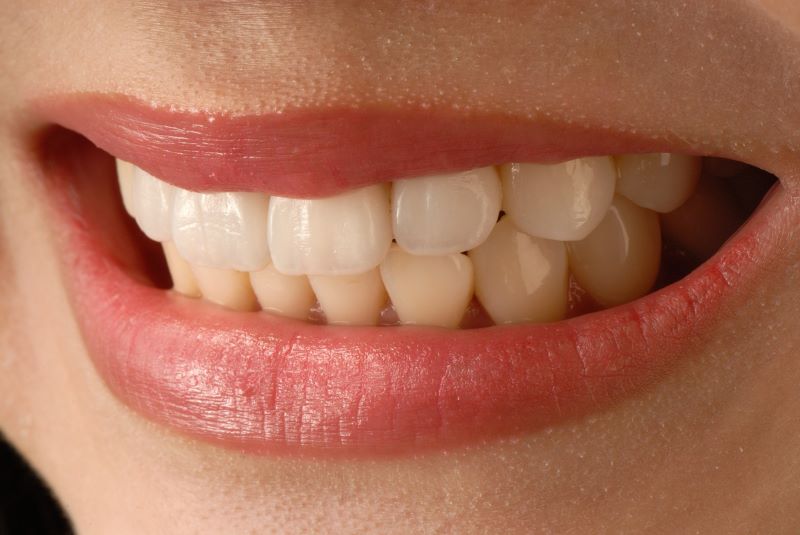
Every tooth you have is a finely tuned piece of engineering and architecture, with a specialized function and shape that allows it to both work with and fit in with its partners. A typical, healthy adult mouth will have either 28 or 32 teeth (depending on whether or not the wisdom teeth, or third molars, have been removed). When one or more teeth suffer damage or decay, it affects the entire operation. Thankfully, with the modern materials and technologies available, we can perform partial or complete smile makeovers through dental restorations

What are the four types of teeth?

  1. Incisors (8 total): Four central teeth on the upper and lower jaw, with a fine edge for chopping and cutting food into smaller chunks. 
  2. Canines (4): The two pointed teeth on either side of each set of incisors. They help grip and tear food.
  3. Premolars (8): There are two of these between each of the four canines and the corresponding set of molars in each corner of the mouth. The sharper front edge assists the canine with tearing, while the more flattened back half helps the molars to crush food.
  4. Molars (8-12): The flat surfaces of molars crush and grind food up to make it easier to swallow. There are 2 in each corner of the mouth (3 if the wisdom teeth remain in place).
What is the anatomy of a tooth?

Enamel: The white outermost layer of each tooth, comprised mostly of the mineral calcium phosphate, is one of the hardest organic substances in the world — the equivalent of crystal rock! 

Dentin: Underneath the enamel is the dentin, a hard tissue harboring a network of microscopic tubes. These tubes are supply lines for the nutrients your teeth need to stay healthy.

Pulp: The soft, spongy innermost layer of the tooth is alive with blood vessels and nerves. It is our job as a dentist and your job as a patient to preserve the outer tooth so the inner tooth remains protected at all costs!

Crown: Refers to the uppermost part of each tooth above the gumline. This is the part of the tooth you are most familiar with when you smile and eat.

Neck: The circumference of the tooth where it inserts into the bone socket, separating the crown and the root. 

Root: The part of the tooth beneath the gumline, anchored into the jaw by a connective material called cementum. 

What can I do about a damaged or unsightly tooth?

No one is perfect. Even with a committed oral hygiene routine, teeth can suffer the effects of decay because of age or genetics. Luckily, modern tooth restoration techniques can get a damaged tooth working and looking as good as new! There are two main categories of dental restorations.

Direct: These restorations, usually dental fillings, are completed in a single sitting. The tooth is cleaned and prepped and soft material is worked into the cavity, set into place, ground, and polished to ensure a smooth finish and perfect bite. 

Indirect: Sometimes, when damage to a tooth is more extensive, a dentist will take impressions and send them off to a lab, where a dental technician will fabricate the restoration outside the office. During a subsequent visit, the dentist will cement the restoration into place. Examples include:

  • Inlays and onlays (similar to fillings, but formed outside the office)
  • Bridges (false teeth to fill gaps in your smile)
  • Crowns (a cap for a damaged or weakened tooth)
  • Veneers (a porcelain shell that fits over the tooth for either protective or cosmetic purposes)

Achieve your best smile with Dr. Kevin Mahoney.

Whether you need your mouth to feel better or want your smile to look better, the staff at Sleep Dentistry Erie has the tools and the materials to get you there. Not only that, but you can also skip any pain and discomfort in the process thanks to safe, effective general anesthesia!

Get started