

Tooth Restoration Treatment in Erie, PA

Sleep Dentistry Erie has extensive experience in restoring teeth. Tooth restoration treatment involves the different ways a dentist can replace or repair your teeth. Parts of your teeth can be lost or destroyed due to decay, fracture or injury. It's extremely important to repair a damaged tooth that's been exposed to decay or injury. Tooth restoration prevents the spreading of decay which would ultimately destroy the tooth.

Tooth Restoration Services Erie, PA

Tooth Restoration Options

Fillings

The most common type of tooth restoration, wherein silver amalgam or composite resin is filled into a cavity, set in place, ground, and polished.

Crowns

Constructed from ceramic or porcelain material, a dental crown provides a new "cap" for damaged or weakened tooth. 

Bridges

Dental bridges are designed to span a gap of missing teeth with false teeth (pontics), supported by crowns or implants on either side.

Implants

Dental implants are as close as it gets to a brand new tooth! A titanium screw is surgically implanted into the jawbone, to which an artificial tooth is mounted.

Dentures

Dentures are a prosthetic dental appliance fabricated to replace either a full or partial set of teeth. 

Sleep Dentistry Erie also offers orthodontic treatment, smile makeovers, and a lifetime whitening program to help with the teeth restoration process as well.

View FAQs Contact Us 


Frequently Asked Questions About Tooth Restoration

How can I spot a cavity?

In a cavity’s earliest stages, you’ll probably feel it before you see it. You may experience pain from bite pressure or sensitivity to heat or cold. As the decay accelerates, the damage will become visible and you’ll be able to spot the cavity as a hole or dark spot on the tooth. The key is to trust your feelings and call your dentist as soon as you notice discomfort. 

What are the best methods for preventing tooth decay?

Preventing tooth decay is a twofold process. A healthy, balanced diet provides less fuel for the bacteria that eat away at enamel and cause inflammation. Limit refined sugars, carbohydrates, and acidic foods, especially between meals. A dedicated dental regimen that includes brushing and flossing at least twice a day removes plaque and debris from tooth surfaces and between the teeth.

Which dental filling material is best?

The types of materials used in dental fillings have evolved over the years, and today’s fillings are more resilient than ever. Composite fillings are matched closely to the color of your natural teeth and bonded directly to tooth surfaces. As such, they’re less noticeable and more versatile than other types of dental fillings. However, they are less durable than traditional silver amalgam fillings, which last twice along, but are prone to other issues like fracturing or discoloring the surrounding tooth structure. Porcelain ceramic fillings offer the best of both worlds, boasting both a natural appearance and longevity. However, their price point may be prohibitive for some patients, comparable to gold as a dental filling material. 

What is the difference between dental bridges and implants?

Both dental bridges and dental implants address the matter of missing teeth, but they do so in different fashions. A dental bridge is a sequence of one or more false teeth (pontics) supported by abutments (existing teeth or implants) that literally “bridge” the gap created by the missing tooth or teeth. A dental implant is a crown anchored into the jaw bone with a titanium screw and is almost like an entirely new tooth. For a more in-depth explanation of the differences between dental bridges and implants, read our linked blog post.

I suffer from dental fear or anxiety. Can tooth restorations be performed without pain?

Yes! Most dentists will utilize a local anesthetic such as novocaine or lidocaine around where the work is being performed, except during more drastic procedures such as bone grafts to replace missing jaw structure or when multiple implants need to be placed. Sleep Dentistry with Dr. Mahoney utilizes general anesthesia, which allows more work to be done in fewer visits and with no pain or recall of the procedures.

How much does a tooth restoration cost?

That depends on the extent of the work being done and whether or not you have dental insurance. Composite fillings average about $250 per tooth but can cost more if more surfaces need to be filled. A dental crown can range from $800 to $1,700 because of the more involved process. Traditional dental bridge costs usually fall between $2,000 and $5,000. The cost of dental implants ranges widely, from $1,500 to $30,000, depending on how many are needed. 

When do I need dentures?

When toothaches intensify in frequency in severity, gums swell and bleed, teeth shift, and it becomes difficult to chew or process food, it may time to consider dentures — especially if you are already missing teeth.

Where To Find Us 

📍 Address: 3915 Caughey Rd, Erie, PA 16506
 
📞 Phone:  (814) 833-3505
 

Recent Posts

What’s In Your Toothpaste?

Posted on October 28th, 2019 at 4:44 PM
What’s In Your Toothpaste?

Getting to know the ingredients and what they do

Toothpaste, in some form or another, has been around for well over 5,000 years. The ancient Egyptian recipe melded together powdered ox hooves, burnt eggshells, myrrh, and pumice — apparently, it did not work too well, as the University of Zurich reported that 18 percent of mummies studied between 1979-2009 exhibited multiple forms of dental disease. Ancient Romans used crushed bones and oyster shells to buffer away buildup and powdered charcoal and bark to freshen their breath. Meanwhile, the Chinese were found to favor flavoring agents like ginseng and mint (very progressive). 

We’ve come along in the past 200 years. Starting in the 1850s, toothpowders that consumers hydrated themselves gave way to cremes and pastes that held their form in jars (1870s) and tubes (1890s). Ingredients like chalk and soap were gradually phased out. After being introduced in 1914, fluoride became standard in cavity prevention from the 1950s onward. 

In the past 30 years or so, the types of toothpaste on the market have diversified considerably. What should you look for? What should you avoid? In this month’s blog post, we’re here to help you make sense of it all.
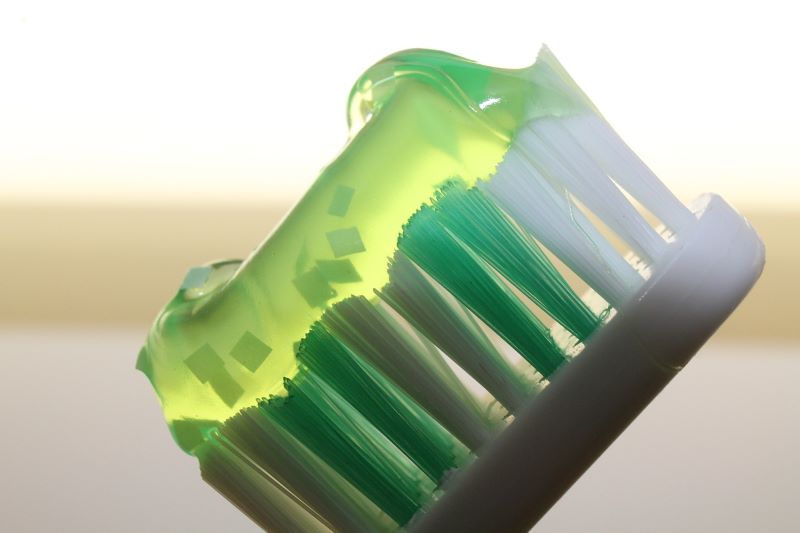
closeup of toothpaste gel on toothbrush

Fluoride for cavity prevention

Fluoride’s role is to fortify enamel, the resilient outer portion of the tooth that protects the more sensitive tissues underneath. It activates a process known as remineralization — replenishing the calcium and phosphorous that makes enamel hard. It is a reversal of demineralization, in which acids from food, beverages, and bacterial plaque soften and deplete the enamel. The American Dental Association (ADA) will not approve an anticavity toothpaste unless it contains one of the following: sodium fluoride, sodium monofluorophosphate, or stannous fluoride.

Abrasives to polish

The crushed bones and shells of yesteryear were a bit harsh on the enamel, but they did help scrape away plaque, debris, and stains from the teeth. Abrasives work in tandem with your brushing motion to clear off teeth surfaces, keeping them clean and smooth. Today’s gentler examples may include calcium carbonate, dehydrated silica gels, hydrated aluminum oxides, magnesium carbonate, phosphate salts, flour of pumice, or silicates. 

Humectants to limit moisture loss

Without humectants, toothpaste would hardly be a paste. These ingredients help keep things smooth and flowing from the tube to the brush and keep the toothpaste from drying out. They also help by inhibiting bacterial growth in the mouth after brushing. Examples include sorbitol and glycerol or glycerin. 
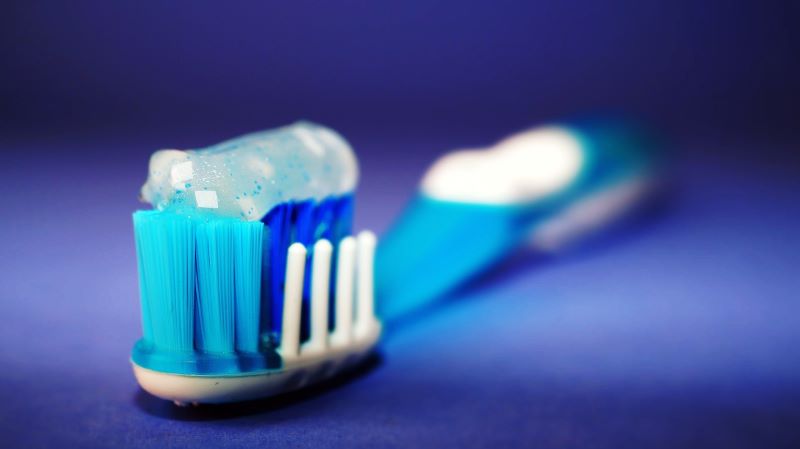
toothpaste gel on a toothbrush

Flavorings and sweeteners for palatability

Due to the cunning of advertising genius Claude C. Hopkins and his campaign for Pepsodent, cooling mint became the standard for toothpaste flavoring. However, a host of flavors have always been available and continue to be available. In particular, bubblegum or fruity flavors like lemon-lime or cherry can help instill good brushing habits in young children. Just make sure any toothpaste you buy is sweetened with natural sugar alcohols such as sorbitol or xylitol, as they do not cause cavities. Saccharin may also be used, although as an artificial sweetener, its safety continues to be debated. Check out our pediatric dentistry page for more information on getting your child started on a regular oral hygiene routine. 

Surfactants for foaming action

Sodium lauryl sulfate came to replace soap as the primary foaming agent in toothpaste halfway through the 20th century. It is more for effect than function and may cause irritation or canker sores in some. For those who do suffer adverse reactions, SLS-free toothpaste is available and just as effective as regular SLS toothpaste.

Specialized toothpaste

A huge variety of toothpastes have been developed for specific oral conditions since the 1980s. 

Here are the key ingredients that make them work.

Anti-gingivitis: stannous fluoride

Tartar control: pyrophosphates, zinc citrate, sodium pyrophosphate

Sensitivity: potassium nitrate, stannous fluoride, strontium chloride

Dry mouth (xerostomia): xylitol

Whitening: hydrogen or carbamide peroxides

A note on non-fluoride toothpaste

Toothpaste without fluoride is not eligible for the ADA Seal of Acceptance. However, there are times when non-fluoride toothpaste may be preferable. Ingredients such as xylitol, green tea extract, and baking soda have demonstrated dental benefits. Moreover, the simple mechanical act of brushing clears away dental plaque. So for those with fluoride sensitivity, brushing with a non-fluoride toothpaste is worlds better than not brushing at all. Children under 2 may swallow too much fluoride, so it’s recommended for toddlers as well.

No matter what toothpaste you use, it’s highly advised to schedule regular dental cleanings to remove the hardened tartar (calculus), which cannot be done with a toothbrush, as well as to check for cavities and other dental lesions. For those seeking a brighter smile, ask about our lifetime whitening program

REQUEST AN APPOINTMENT