

Dental Fillings in Erie, PA

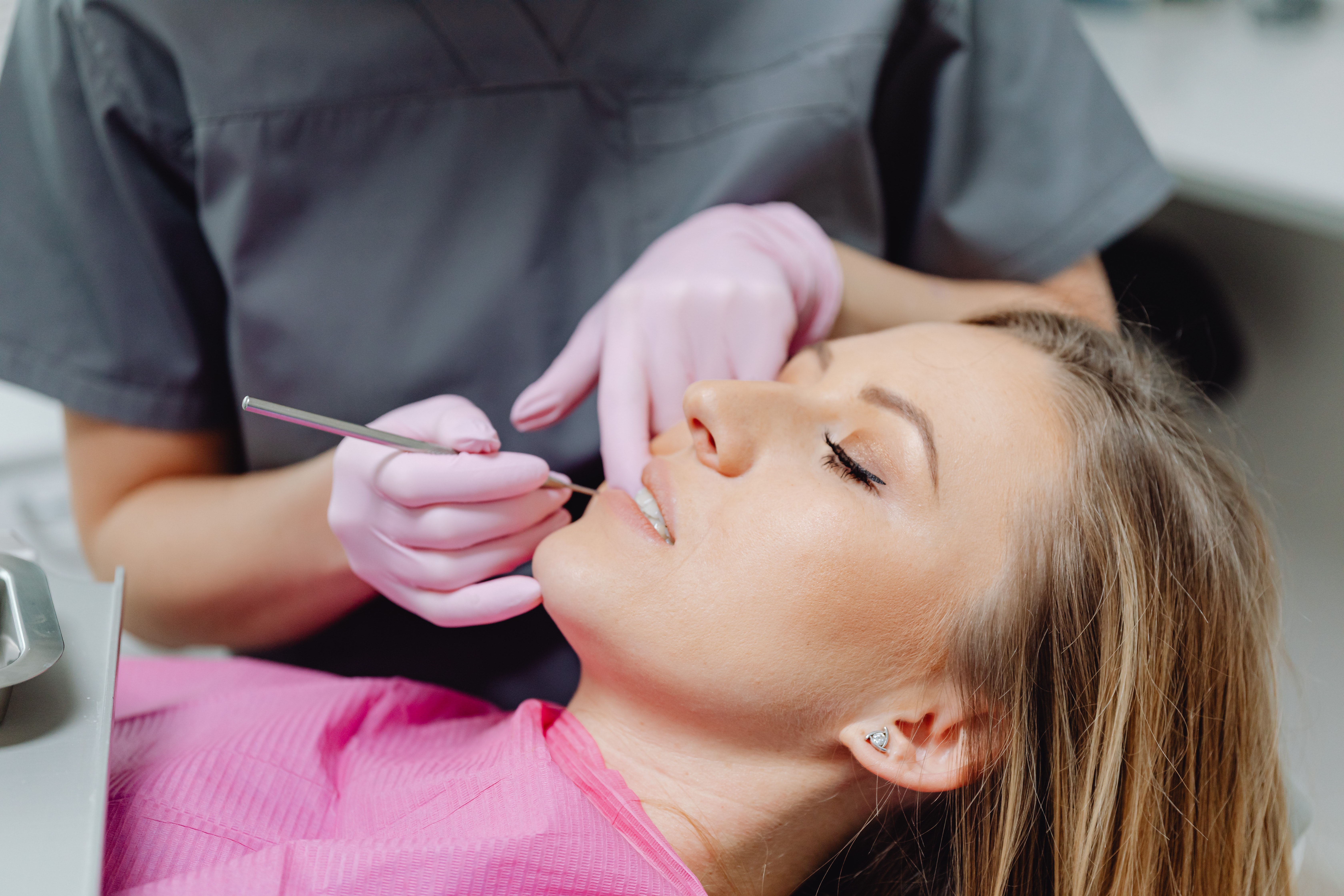
Dental fillings are an easy way to treat holes, or cavities, that develop in a tooth, typically as a result of tooth decay. They restore the structure and function of damaged teeth. They also help prevent further decay. Sleep Dentistry is your best option for professionally installed dental fillings in Erie, PA – a procedure we are often able to complete in well under an hour.

Common types of dental fillings in Erie, PA

Dental fillings can be made from a variety of materials, each with its own advantages in terms of durability, cost, and aesthetics. Plus, if they are dental fillings for a child, then there are some materials that are more suitable than others. Your dentist will discuss the options with you and help you decide which type of filling is best for you.

Here are the most common materials used in making dental fillings in Erie, PA.

smiling couple

Composite fillings

These are tooth-colored fillings made of acrylic resin and either glass or quartz particles. They are durable but cost more than amalgam fillings. Composite fillings are natural-looking and suitable for use on both back and front teeth. This makes them a popular choice for dental fillings in Erie, PA and elsewhere. They work best in small to medium-sized cavities but take longer to install than amalgam fillings.

Gold fillings

Gold dental fillings are the most durable and most expensive type of filling. They were quite common in the past but their cost and the fact that they are not tooth-colored may have contributed to them becoming less popular. Many patients now place a good deal of emphasis on the aesthetic appeal of natural-looking teeth.

Schedule Appointment

Frequently Asked Questions

How long do dental fillings last?

Diligent dental hygiene can help extend the life of your fillings but, generally speaking, the lifespans of the different types of dental fillings are:

  • Gold fillings – 15 to 25 years
  • Amalgam fillings – 10 to 15 years
  • Composite fillings – 5 to 10 years
  • Ceramic fillings – 10 to 20 years
  • Glass ionomer fillings – 2.5 to 5 years
How do I know my dental fillings need replacing?

There are several indicators that your dental fillings may need replacing. You should schedule an appointment with your dentist to have your dental fillings checked if:

  • The filling has become loose, damaged, worn, or discolored.
  • You feel a sharp pain when you bite down on food.
  • You are experiencing heightened sensitivity to hot and cold foods and drinks. 
  • You have had recent facial trauma in the region of your filling.
Do dental fillings hurt?

No. The treatment causes little to no discomfort from start to finish. The dentist uses numbing agents so all you may feel is a slight sting in the beginning and then some discomfort, sensitivity, and mild pain afterward as the anesthetic starts to wear off. These disappear in one to two weeks.

Why would a dentist do a temporary filling?

Temporary fillings are much easier to put in than more permanent ones. Your dentist may decide to use one:

  • As an emergency treatment if your cavity is causing you severe pain and there isn’t time to do a permanent filling.
  • To seal your tooth while dental crowns are being prepared.
  • To allow you to heal after a root canal before a permanent filling is put in.

Where To Find Us 

📍 Address: 3915 Caughey Rd, Erie, PA 16506
 
📞 Phone:  (814) 833-3505
 

Recent Posts

Smarter Orthodontic Treatments

Posted on November 20th, 2019 at 10:14 AM
Smarter Orthodontic Treatments

Time flies, except when you’re wearing braces — or at least that's how it feels. Although modern orthodontic methods have improved by leaps and bounds since the olden days, orthodontic treatment still conjures images of bulky and unsightly apparatuses straight out of a medieval dungeon keeper's mail-order catalog. But we have news for you — thanks to modern innovations, you may spend less time in braces than you think!

Because each patient is different, there is no universal orthodontic treatment plan or universal treatment timetable. Age, genetics, and the severity of the misalignment or malocclusion issues (i.e. “bad bite”) all influence what orthodontic treatment you need, how effective it will be, and how long the process takes. Most cases resolve within a year and a half to two years; some are shorter or longer. However, new advancements in orthodontics technology are making treatment more precise and effective — if not more efficient — than ever.

Orthodontics for the Digital Age

It’s the 21st century. Information, entertainment, and commerce have all been digitized. So has orthodontics. Digital X-rays provide a clearer picture and instantaneous access to the practitioner. Cone-beam computed tomography (CBCT) scanners create 3D images of the teeth, giving your orthodontist a more realistic blueprint to work from. More detailed imagery, better dental impressions, and more intelligent software equal a more focused treatment plan from the outset — and fewer setbacks on the path to a straighter smile.

Orthodontic Materials That Perform for You

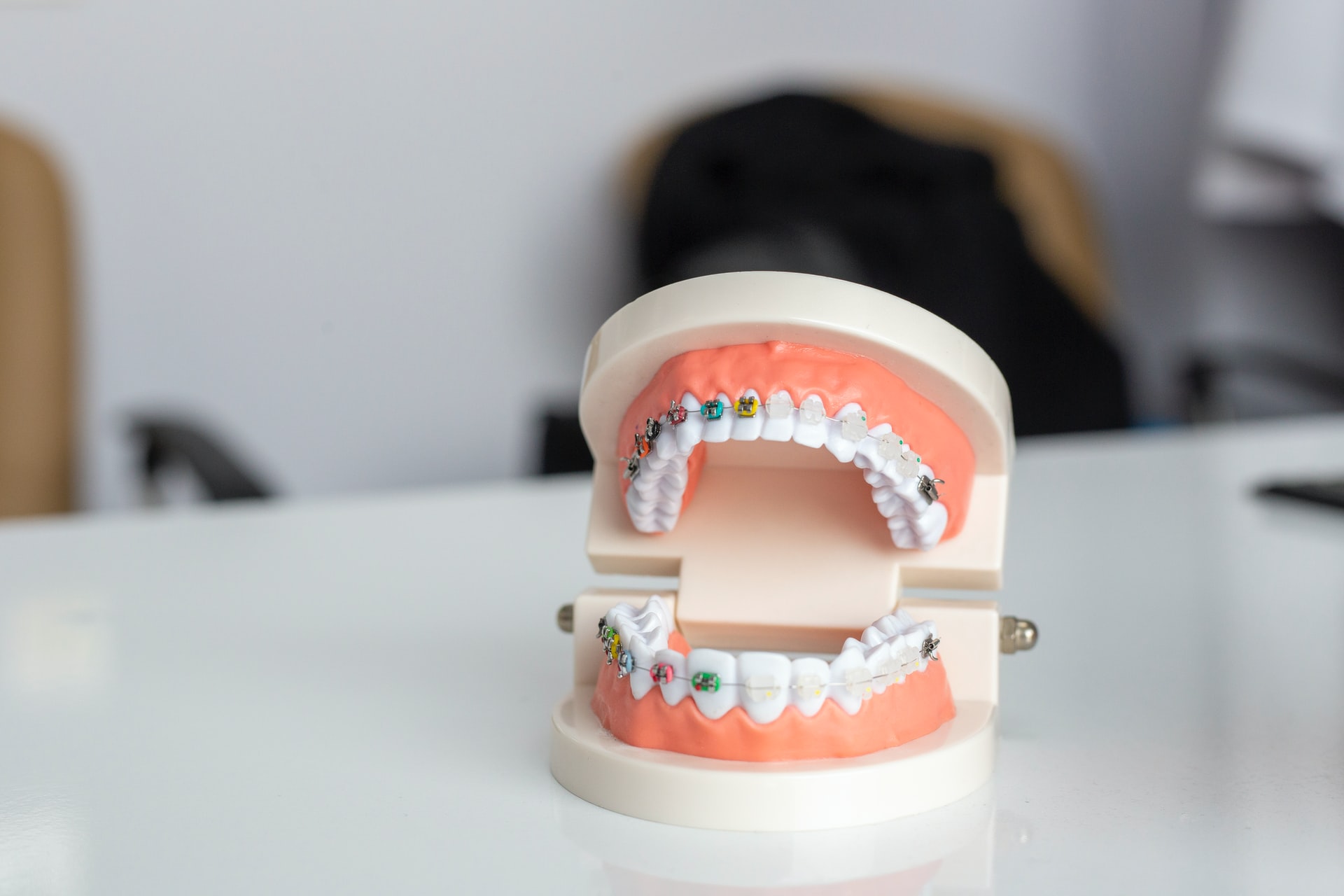
Brackets and wires are no longer a foregone conclusion for today’s orthodontic patient. Invisalign® aligners fit over teeth, are fully removable, and are generally unnoticeable. Smile makeovers (such as those offered at Sleep Dentistry with Dr. Kevin Mahoney) can be customized to treat only the teeth that show when you flash your pearly whites (and if yours aren't so pearly white, check out our Lifetime Whitening program). In these cases, a more sparkling smile can be achieved in as little as six months.
Braces Model on Dentist Desk sleep dentistry erie dr kevin mahoney

Even patients who do have to wear more traditional appliances will be pleased to know that advances have been made in these materials. Nickel and copper-titanium wires are optimized to temperatures in the mouth and will better self-adjust to shifts and changes as they are happening. Temporary anchorage devices (TADs) — tiny titanium screws or implants painlessly installed with a little anesthetic — give stubborn teeth the extra push they need to move along their proper course.

New Frontiers in Accelerated Orthodontics

In the future, accelerated orthodontics procedures may become more mainstream. These techniques rely on stimulating bone growth to get teeth to move in a fraction of the time, either through surgically shaving and reshaping bones and gums (PROPEL system) or calibrated vibrations (as through the AcceleDent, a device that fits over the orthodontics and delivers a micropulse to spur cellular activity). Each technique has been made less invasive and more effective as time progresses, so be sure to ask your dentist about this revolutionary medical enhancement.

Orthodontic Services at Sleep Dentistry with Dr. Kevin Mahoney

The key to a successful orthodontic treatment plan is working smarter, not faster. With a more individualized plan and following your doctor's instructions, the time you spend in braces or aligners may fly by after all. Sleep Dentistry with Dr. Kevin Mahoney allows you to get more work done in fewer visits with less pain and discomfort. You’ll be showing a beautifully bare smile before you know it!

FIX MY SMILE