

Are you afraid to smile because of a chipped tooth? Are your teeth too straight for braces, but still overlapping? Are they crooked? Slightly misaligned? Have you ever looked in the mirror and thought you’d like your smile more if your teeth were just a little more shapely?
If you answered yes to any of these questions, you may benefit from a simple tooth contouring procedure. But what is tooth contouring? Is it safe? And most importantly, is it right for you?
What is Tooth Contouring?
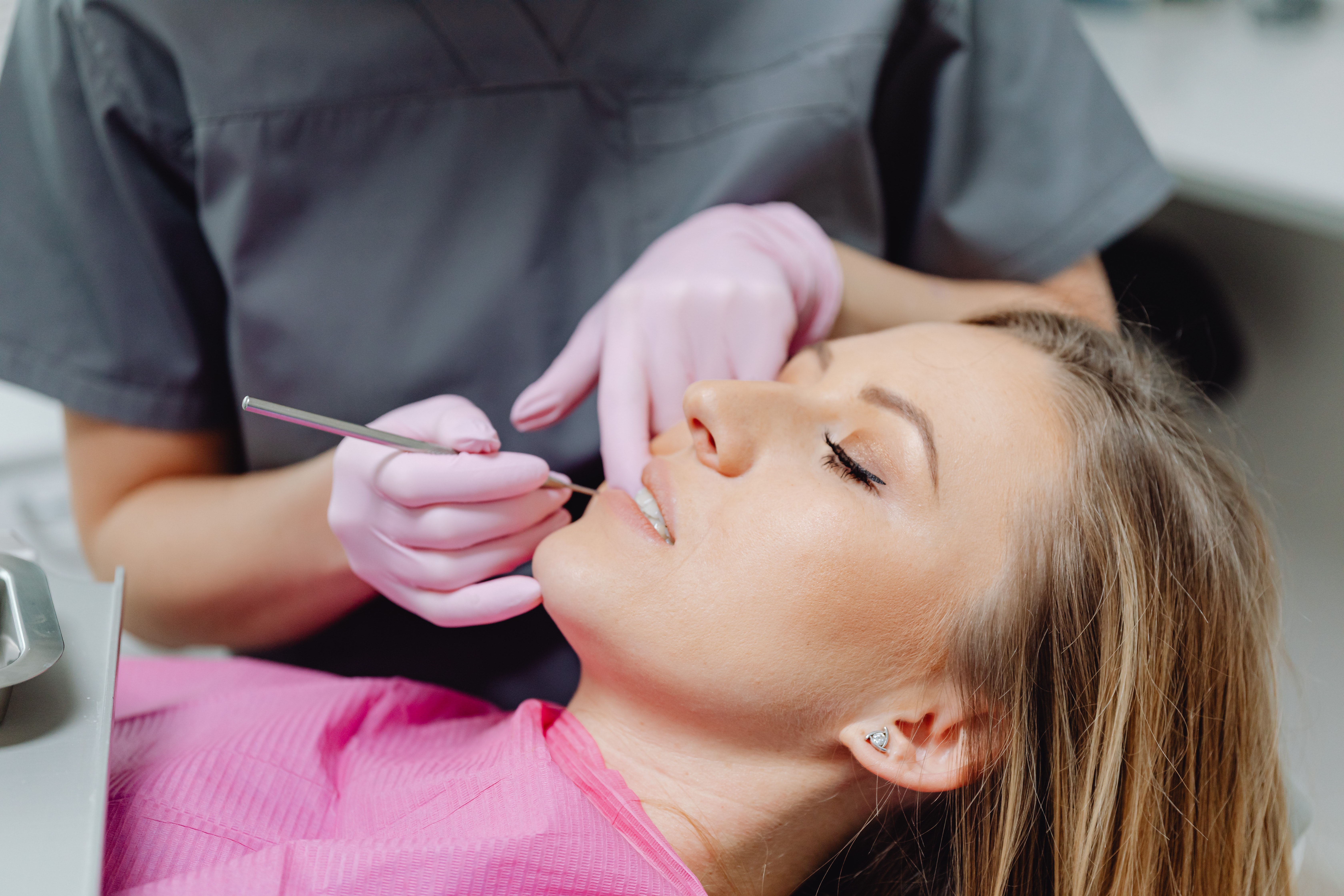
Tooth contouring, also known as dental contouring or enameloplasty, is a cosmetic procedure where the dentist files away small amounts of tooth enamel in order to reshape the teeth. This procedure is used to buff out small cracks or chips, make teeth symmetrical, or to remove small overlaps. Enameloplasty is also commonly performed after braces are removed. To qualify, your dentist must assess how healthy your enamel is. You may also be disqualified based on any veneers or crowns you have.
What to Expect
Once your dentist has deemed your enamel healthy enough to contour, they’ll use an assortment of small drills, lasers, and other tooths to slowly grind down and shape your teeth. In some cases, they may use a small amount of dental resin to help shape them further.
Once the procedure is complete, it’s important to be gentle with your teeth. This means avoiding food and drink with large amounts of sugar, gently brushing your teeth with a non-abrasive toothpaste and a soft-bristled toothbrush, and making sure to schedule regular dental appointments to check that they’re healthy.
Pros and Cons of Tooth Contouring
As with any dental procedure, there are pros and cons to tooth contouring:
Pros
Tooth contouring is one of the simplest and easiest cosmetic dentistry procedures. It’s quick and easy, capable of being performed in a single session. Because it only shaves away a small amount of enamel, it’s a painless procedure. It also has a very short recovery period—you’re able to use your teeth like normal almost immediately.
Cons
This procedure is limited to correcting superficial issues and can’t fix more serious imperfections. While tooth contouring is a painless procedure, it can make your teeth more sensitive as a result of the protective enamel being worn down. If too much enamel is removed, or the procedure is performed on unhealthy enamel, the tooth may break. The procedure also isn’t usually covered by insurance except in cases of emergency. Finally, the worn-down enamel can lead to yellowing over time.
Alternatives to Tooth Contouring
If your dentist decides that your enamel isn’t healthy enough to withstand dental contouring, don’t worry. There are several alternatives available that you can discuss with them:
Veneers
Veneers are small, custom-made shells permanently bonded to your teeth in order to create an even, permanently white smile. They come in a variety of materials, such as porcelain or ceramic.
Braces
Orthodontic appliances are dental devices used to slowly realign teeth over time. Traditional braces use wires and brackets adhered directly to the teeth, while invisible aligners (also known as Invisalign) fit over the teeth in the form of clear plastic molds. Although results often take months or years, orthodontic appliances solve many functional and cosmetic issues that other methods simply cannot.
Crowns
Crowns are tooth-shaped caps used to cover broken or worn-down teeth. They’re a long-term fix, lasting between 15-30 years.
Bondings
With bonding, a tooth-colored resin is applied to the tooth and shaped in order to repair chips or cracks, close gaps, or otherwise change the shape of the tooth. Like tooth contouring, it’s best suited to small cosmetic changes.
Restore Your Smile at Sleep Dentistry
Everyone deserves to feel confident about their smile. If you’re looking for reliable dental cosmetic procedures to help you love your smile again, come to Sleep Dentistry. We offer a variety of cosmetic dental procedures, such as veneers, crowns, and whitening services. If you suffer from a dental anxiety or phobia, Dr. Kevin Mahoney can help you to sleep through your procedures worry-free. Schedule an appointment today and fall back in love with your smile.