

Dental Implants in Erie, PA

Dental implants are a restorative dental treatment for patients who have lost a tooth. Living with a missing tooth can cause oral health complications and make your days much more difficult. Dental implants are a long term solution that can replace your missing tooth and restore your smile. 


Dental implants comprise three distinct components: the implant post itself, an abutment, and a dental crown. The implant is made of titanium and acts as a replacement for your original tooth’s root. The implant is then attached to the abutment, which is what the crown sits on top of. Once the dental crown has been adhered to the abutment, you’ll be smiling like normal again!  Dental implants do require surgery to be inserted into your mouth completely. While this can be a scary thought, our team of dental professionals at Sleep Dentistry understands our patients’ concerns. That’s why we provide sleep dentistry, relaxation dentistry, and offer dental therapy dogs to comfort our patients so they can receive necessary dental care without any additional stress.

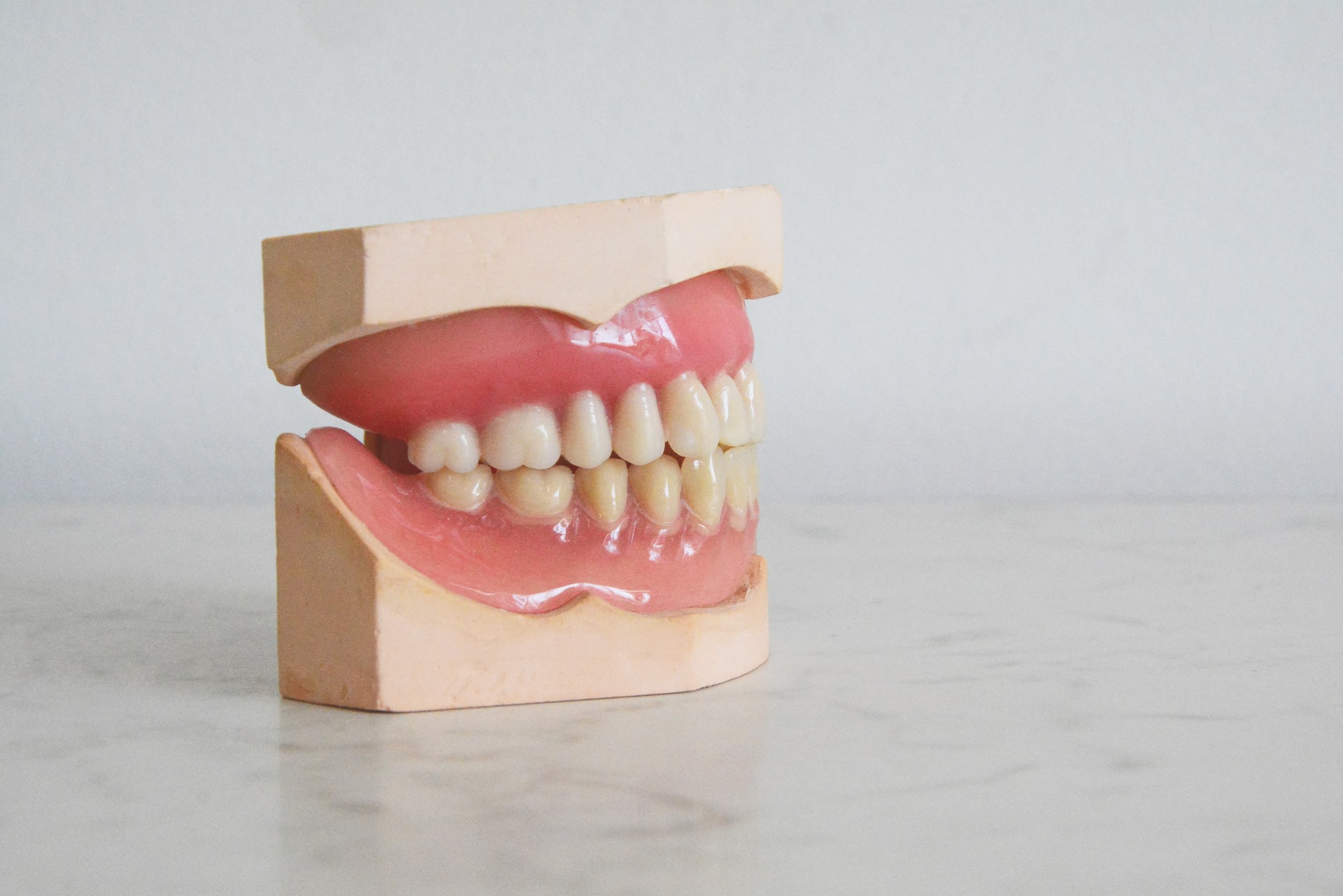
Mold of dental implants for Erie, PA patients

Who can get dental implants?

While dental implants can improve your oral health and the overall function of your mouth, there are reasons someone shouldn’t get dental implants. To be a good candidate for dental implants, you need to have a healthy jaw. Strong and healthy jawbones allow your dental implant to be supported properly, allowing it to last for as long as possible. Otherwise, you may suffer more oral health complications. Any signs of periodontal disease, gingivitis, and even bruxism can disqualify you from getting dental implants installed. 

Benefits of dental implants:

  • Enable you to eat normally
  • Improve your speech
  • Restore your mouth’s bite
  • Enhance the aesthetics of your smile
  • Prevent cavities
  • Stabilize adjacent teeth
  • Restore your confidence in your smile

Schedule an Appointment

Frequently Asked Questions About Dental Implants

What is the process for dental implants like?

Dental implants require patients to have x-rays completed of their teeth and jaw. You may also need the input of specialists to confirm that your bones are healthy and can support the implant. Dental implant surgery has a number of steps. Dr. Mahoney will start by making sure you’re comfortable and discuss your options for anesthesia. During the procedure, your dental implant will be inserted into the jawbone, the abutment will be placed, and then the crown will be added on top of the abutment.

How long do dental implants last?

When a dental implant is well maintained, it’s common for them to last a lifetime. Although it may be daunting to go into the dentist’s office for a comprehensive procedure, your oral health is important and cannot be neglected. Sleep Dentistry provides a comforting atmosphere and specialized services to ensure our patients leave happy and smiling.

How long does dental implant surgery take?

While the procedure itself can take a few hours, healing from dental implants can take longer, typically 3 months or more. It’s important that your implant heals properly so that you can experience the benefits of a full set of healthy teeth. Sleep Dentistry’s team will work with you to organize a recovery plan that you’re most comfortable with so you can get back to doing what you enjoy.

Does insurance typically cover dental implants?

Dental implants can be covered by insurance, but sometimes they’re not. If you’re looking for definitive answers, we recommend calling your insurance provider. Insurances sometimes classify dental implants as cosmetic, and for this reason, they may not cover them. If your insurance doesn’t cover the implant or procedure as a whole, they may cover the installation of a dental crown.

What is the recovery time for dental implants?

Recovery time for dental implants ranges and can take anywhere from 3 to 6 months. Although this seems like an unreasonable amount of time to recover, having dental implants installed can benefit your health more in the long run. Neglecting your dental health can seriously impact your overall health and well-being. You can rest assured that Sleep Dentistry’s team will work with you to develop a recovery plan that is best suited for you.

Why can’t you have dairy after having dental implants installed?

It’s not uncommon for dentists to recommend patients stay away from dairy after they’ve had dental implants installed. Dairy can cause inflammatory responses in your body’s tissues, including those within your mouth. It’s best to refrain from dairy products until you fully recover or until your dentist recommends when you can consume dairy again.

Where To Find Us 

📍 Address: 3915 Caughey Rd, Erie, PA 16506
 
📞 Phone:  (814) 833-3505
 

Recent Posts

Common Types of Dental Emergencies

Posted on October 28th, 2021 at 11:37 AM
Common Types of Dental Emergencies

Most people don't think about their teeth until they need a dentist. When you're in pain and experiencing the threat of tooth loss, it's hard to know what to do.

Dental emergencies are dental problems relating to trauma or infection that require the immediate attention of a dentist (and in some cases a medical doctor). If a dental emergency arises, it's important to know what type of dental problem you're dealing with. This article will help you decide whether or not to call your dentist for dental care advice and set up an appointment if needed.

What is a Dental Emergency?

A dental emergency can be anything from a tooth fracture or toothache to an infection in the jawbone area. A dental emergency is something that needs immediate attention because it could cause serious health problems if not treated right away.

Dental emergencies can be painful and require quick treatment before they worsen. For example, toothaches are considered to be a type of dental emergency because they indicate an underlying problem like decay or gum disease which needs prompt treatment.

If you are experiencing any of these symptoms, please contact your dentist immediately:  

  • Severe pain in the mouth with swelling around the site
  • A fever above 100 degrees Fahrenheit
  • Bleeding from gums or sore throat
  • Tooth loss

If these symptoms persist for more than two days, then it may be time to call your doctor as well.

A few examples of a dental emergency: 

Broken teeth

If you bite down on something hard or fall and hit your mouth, a broken tooth might occur as a result of an accident.

Chipped tooth 

Occurs whenever parts of the enamel of the tooth have been chipped off.

Knocked-out teeth 

Sports injuries, falls, or accidents usually lead to the loss of a tooth, which is also referred to as an avulsed tooth.

Cracked teeth 

A cracked tooth happens when there is too much pressure put on the front part and it cracks in half

Dental abscesses

When bacteria infect a cavity that exists already in the mouth, it begins to grow around it. The tooth becomes infected and must be removed to reduce the risk of the infection spreading. 

Severe gum disease (Periodontal Disease)

When gums become inflamed, plaque deposits beneath them cause them to become inflamed

Emergency Dental Extraction

As seen above, some of the most common types of dental emergencies involve physical trauma to the mouth — resulting in broken, chipped, cracked, or partially or fully dislodged teeth. By acting quickly (within one hour) and properly preserving the tooth or tooth pieces, the tooth can sometimes be saved.

In the case that you cannot reach your dentist, try placing the tooth back in its original position and holding it there with dental wax (available at most pharmacies) until you can get professional dental care assistance. Do not scrub the tooth with dental floss or toothpaste to try and clean it. Otherwise, place the tooth in a small container of milk or lightly salted water and seek dental care immediately.

Emergency dental care from Sleep Dentistry Erie 

There are many different types of dental emergency care; some are more common than others. If you ever experience any type of tooth pain or injury, you must seek professional care immediately so the problem doesn't get worse over time. The sooner we treat an issue with your teeth, the better chance we have at saving them and restoring function in your mouth. Don’t wait until it's too late! Our team will work hard to make sure everything goes smoothly from start to finish.

CONTACT US