
Dental Implants in Erie, PA

Dental implants are a restorative dental treatment for patients who have lost a tooth. Living with a missing tooth can cause oral health complications and make your days much more difficult. Dental implants are a long term solution that can replace your missing tooth and restore your smile. 


Dental implants comprise three distinct components: the implant post itself, an abutment, and a dental crown. The implant is made of titanium and acts as a replacement for your original tooth’s root. The implant is then attached to the abutment, which is what the crown sits on top of. Once the dental crown has been adhered to the abutment, you’ll be smiling like normal again!  Dental implants do require surgery to be inserted into your mouth completely. While this can be a scary thought, our team of dental professionals at Sleep Dentistry understands our patients’ concerns. That’s why we provide sleep dentistry, relaxation dentistry, and offer dental therapy dogs to comfort our patients so they can receive necessary dental care without any additional stress.

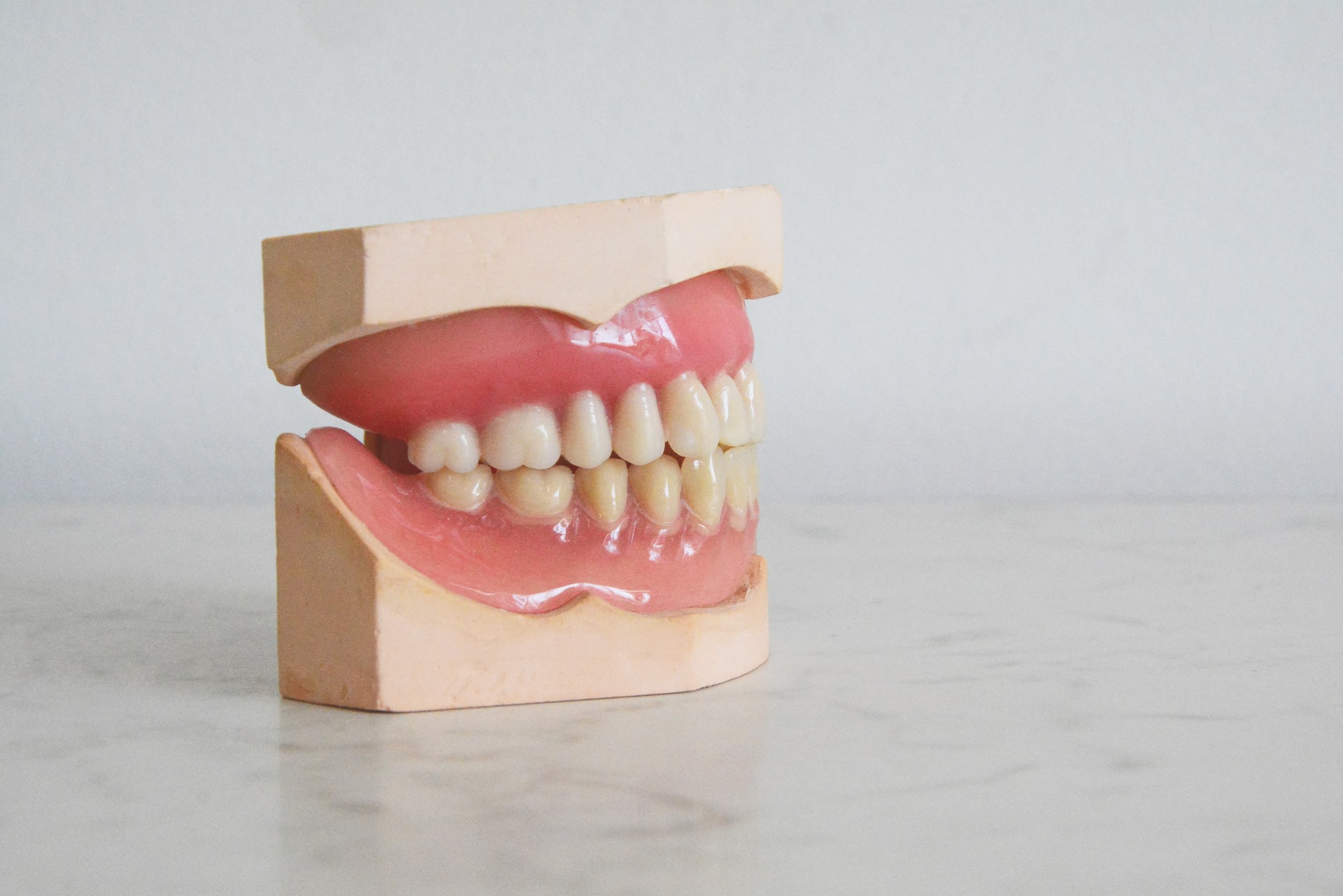
Mold of dental implants for Erie, PA patients

Who can get dental implants?

While dental implants can improve your oral health and the overall function of your mouth, there are reasons someone shouldn’t get dental implants. To be a good candidate for dental implants, you need to have a healthy jaw. Strong and healthy jawbones allow your dental implant to be supported properly, allowing it to last for as long as possible. Otherwise, you may suffer more oral health complications. Any signs of periodontal disease, gingivitis, and even bruxism can disqualify you from getting dental implants installed. 

Benefits of dental implants:

  • Enable you to eat normally
  • Improve your speech
  • Restore your mouth’s bite
  • Enhance the aesthetics of your smile
  • Prevent cavities
  • Stabilize adjacent teeth
  • Restore your confidence in your smile

Schedule an Appointment

Frequently Asked Questions About Dental Implants

What is the process for dental implants like?

Dental implants require patients to have x-rays completed of their teeth and jaw. You may also need the input of specialists to confirm that your bones are healthy and can support the implant. Dental implant surgery has a number of steps. Dr. Mahoney will start by making sure you’re comfortable and discuss your options for anesthesia. During the procedure, your dental implant will be inserted into the jawbone, the abutment will be placed, and then the crown will be added on top of the abutment.

How long do dental implants last?

When a dental implant is well maintained, it’s common for them to last a lifetime. Although it may be daunting to go into the dentist’s office for a comprehensive procedure, your oral health is important and cannot be neglected. Sleep Dentistry provides a comforting atmosphere and specialized services to ensure our patients leave happy and smiling.

How long does dental implant surgery take?

While the procedure itself can take a few hours, healing from dental implants can take longer, typically 3 months or more. It’s important that your implant heals properly so that you can experience the benefits of a full set of healthy teeth. Sleep Dentistry’s team will work with you to organize a recovery plan that you’re most comfortable with so you can get back to doing what you enjoy.

Does insurance typically cover dental implants?

Dental implants can be covered by insurance, but sometimes they’re not. If you’re looking for definitive answers, we recommend calling your insurance provider. Insurances sometimes classify dental implants as cosmetic, and for this reason, they may not cover them. If your insurance doesn’t cover the implant or procedure as a whole, they may cover the installation of a dental crown.

What is the recovery time for dental implants?

Recovery time for dental implants ranges and can take anywhere from 3 to 6 months. Although this seems like an unreasonable amount of time to recover, having dental implants installed can benefit your health more in the long run. Neglecting your dental health can seriously impact your overall health and well-being. You can rest assured that Sleep Dentistry’s team will work with you to develop a recovery plan that is best suited for you.

Why can’t you have dairy after having dental implants installed?

It’s not uncommon for dentists to recommend patients stay away from dairy after they’ve had dental implants installed. Dairy can cause inflammatory responses in your body’s tissues, including those within your mouth. It’s best to refrain from dairy products until you fully recover or until your dentist recommends when you can consume dairy again.

Where To Find Us 

📍 Address: 3915 Caughey Rd, Erie, PA 16506
 
📞 Phone:  (814) 833-3505
 

Recent Posts

Why Your Dental Phobia Is Manageable

Posted on March 24th, 2021 at 11:07 AM
Why Your Dental Phobia Is Manageable

If you were to compile a list of the world’s common phobias, dentophobia, or fear of the dentist, would no doubt be near the top. Dental phobias affect between 5 to 8 percent of all dental patients and are much more difficult to manage than the less intense, more generalized dental anxiety that about one-fifth of us experience. 

Whereas dental anxiety would make a patient hesitate to visit the dentist, a dental phobia would make a patient avoid it at almost any cost — sometimes even if that means delaying necessary, urgent, or emergency dental treatment. Given the vital role oral health plays in overall health, conquering dental phobias is one of the top goals of dental professionals.

Dental phobia symptoms

Dental phobia symptoms are consistent with those of other phobias and may include sweating, muscle tension, a racing or palpable heartbeat, and low blood pressure potentially leading to fainting. It’s a physiological response that begins in the brain’s limbic system, which is heavily involved in the activation of our endocrine (hormone-producing) system and, in turn, our body’s fight-or-flight response. 

The brain’s hippocampus and prefrontal cortex, which govern memory and logical thought, ordinarily help us rein in our fears. However, those suffering from a phobia may not be able to control their response so easily, if at all. Dental professionals must exercise care and understanding with these patients, with the realization that their extreme fear may very well have a physiological basis. 

Dental phobia causes

Dental phobias can derive from external causes or be internally wired into our genes and personalities. 

External causes of dental phobias

  1. Direct previous traumatic experiences, particularly during childhood
  2. Indirect vicarious experiences, or dental phobia “learned” from the traumas of others or from media (books, TV, movies, etc.)

Internal causes of dental phobias

  1. As suggested earlier, there may be a physiological basis for dental phobias — in particular a disconnect between the brain’s emotional and logical processing areas. 
  2. Genetics — it is possible to inherit dental phobia
  3. Personality and personality disorders — one study revealed that extraversion and neuroticism significantly correlate with the incidence of dental anxiety
  4. Cognitive ability — individuals with developmental or intellectual disorders are less able/likely to express themselves verbally or emotionally, which elevates stress and tension.

Dental phobia treatments

Dental phobia treatments can take either a psychotherapeutic or a pharmacological approach. The most broadly accepted psychotherapeutic treatments attempt to rewire negative patterns of thought and behavior surrounding dental visits (cognitive-behavioral therapy); pharmacological approaches involve the administration of dental sedatives or anesthetics.

Psychotherapeutic treatments

Patients receive psychotherapeutic treatment for their dental phobias predominantly outside the dentist’s office — more likely working with a licensed therapist or counselor. These professionals may apply several therapies, which may include deep breathing and muscle relaxation techniques, desensitization or exposure therapy, biofeedback, hypnosis, or even acupuncture. 

However, there are several things your dentist can (and should) do to help ease your mind — these include creating a pleasant office environment (e.g., through guided imagery and/or sound) and above all COMMUNICATION. 

The notion of being powerless or not in control is at the root of dental anxiety and phobia.  Techniques such as “tell-show-do” (calmly talking about and demonstrating each step in a procedure and then doing exactly that), modeling (observing an unafraid patient of a similar demographic receiving a similar treatment), and signaling (e.g. a raised hand to stop) give patients a sense of agency as they work through their fears.

Pharmacological treatments

Pharmacological treatments for dental phobias include any combination of medications that help suppress pain, induce a loss of consciousness or memory, and/or relax the mind and body. Sedation dentistry takes the approach of blurring the patient’s memory and response to pain along a continuum; sleep dentistry is synonymous with general dental anesthesia, wherein the patient is unconscious and involuntary functions like breathing are controlled by a certified anesthesiologist. Read our previous blog post to learn all the differences between sedation dentistry and sleep dentistry

Conquer your fear of the dentist

At Sleep Dentistry with Dr. Kevin Mahoney, we are committed to helping our patients conquer their dental anxiety or dental phobia. We value transparency and communication with our patients and offer sleep dentistry as a means to get more crucial dental work done in less time, without fear or pain. 

REQUEST AN APPOINTMENT