


Nearly 5 million Americans have their wisdom teeth removed each year. But how much do you really know about these mysterious molars? From common myths to surprising truths, wisdom teeth are often misunderstood, even though they play a pretty big role in many people’s dental health journeys.
Today, we’ll break down the essential facts about wisdom teeth, clear up a few misconceptions, and explain what you need to know if you or a loved one is considering removal.
What are Wisdom Teeth?
Wisdom teeth (also known as third molars) are the last set of molars located at the very back of your mouth, with one in each corner of your upper and lower jaws. These teeth are typically larger and have a broader chewing surface compared to your other molars, making them well-suited for grinding food.
However, because they are the last teeth to develop, they often have less room to emerge properly, which can lead to various dental issues.
Does Everyone Have Wisdom Teeth?
One of the most commonly asked questions among our patients: “How many wisdom teeth do you have?”
Most people have up to four wisdom teeth, one in each quadrant of the mouth. But it’s completely normal for some individuals to have fewer than four, or even none at all.
Genetics can directly affect how many wisdom teeth you develop. Some people may have one, two, or three, while others may have none at all. If you’re unsure how many wisdom teeth you have, a dental X-ray can provide a clear answer.
When Do Wisdom Teeth Come In?
Wisdom teeth usually begin to emerge between the ages of 17 and 25, which is why they’re called “wisdom” teeth; this is the age when people are thought to gain maturity and wisdom.
The eruption process can vary from person to person, but it generally starts with mild discomfort or tenderness at the back of the mouth. Other signs your wisdom teeth may be coming in include swollen gums, jaw stiffness, or difficulty opening your mouth fully. If you notice these symptoms, it’s a good idea to schedule a dental checkup to monitor their progress and make sure they’re coming in correctly.
Why Do We Have Wisdom Teeth?
Wisdom teeth are a reminder of our evolutionary past. Anthropologists believe that our ancestors needed these third molars because their diets consisted of tough, coarse foods, such as roots, nuts, and raw meat. These foods required more chewing power and caused significant wear and tear on teeth, so having an extra set of molars was beneficial.
Over time, however, human diets have changed dramatically. With the advent of cooking and food processing, our meals have become much softer and easier to chew. As a result, our jaws have gradually become smaller through evolution, leaving less room for wisdom teeth to emerge properly. This mismatch between jaw size and tooth number is a big reason why wisdom teeth often become impacted or cause crowding today.
Can Wisdom Teeth Grow Back?
As far as facts about wisdom teeth go, this one is most definitely false. Once your wisdom teeth are removed, they do not grow back. This myth likely exists because, in rare cases, people may have extra teeth (called supernumerary teeth) that can emerge after the original wisdom teeth are extracted.
However, this is extremely uncommon. For the vast majority of people, once wisdom teeth are gone, they’re gone for good.
Myths Vs. Facts About Wisdom Teeth

Let’s set the record straight by busting some common myths. Here are the real facts about wisdom teeth!
“Wisdom teeth always need to be removed.”
Not everyone needs their wisdom teeth removed. If your wisdom teeth are healthy, fully erupted, properly aligned, and easy to clean, there may be no need for extraction. Dentists only recommend removal if the teeth are impacted, causing pain, crowding, or are at risk for infection or decay.
“Everyone gets wisdom teeth.”
As we’ve previously addressed, it’s a common misconception that everyone develops wisdom teeth. In reality, up to 35% of people are born without at least one wisdom tooth, and some never develop any. Genetics and evolutionary changes are making it increasingly common for people to have fewer or no wisdom teeth.
“Removal is always painful.”
Thanks to modern dental techniques, anesthesia, and sedation options, wisdom tooth removal is much more comfortable than many expect. At Sleep Dentistry, we offer several sedation options to keep your experience as pain-free (and stress-free) as possible.
Most patients report only mild discomfort during recovery, which can be managed with over-the-counter pain relievers and proper aftercare.
When Wisdom Teeth Become Problematic
While some people’s wisdom teeth come in without any trouble, for many, these third molars can cause a variety of dental issues. Here’s what you need to know about the most common problems and the warning signs that it’s time to see your dentist.
Common Wisdom Teeth Issues
Impaction (Partial vs. Complete)
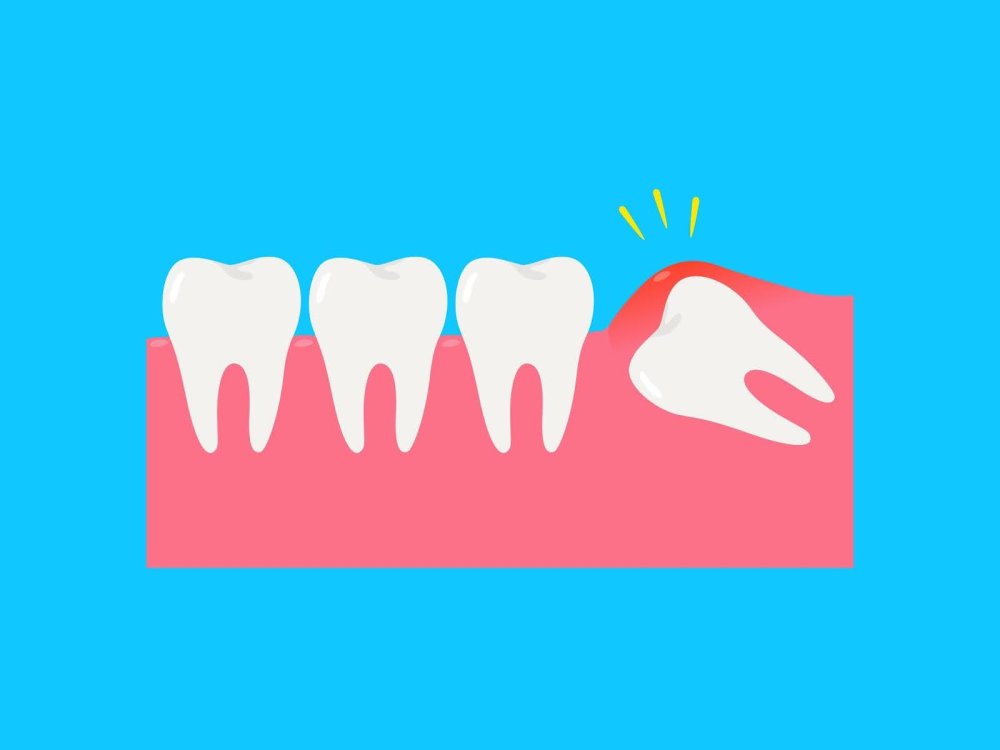
Wisdom teeth are often impacted, meaning they don’t have enough room to fully emerge. A partially impacted tooth breaks through the gum but doesn’t come in all the way, while a completely impacted tooth remains trapped beneath the gum or bone.
Both types may lead to pain, infection, and damage to neighboring teeth.
Overcrowding
When there isn’t enough space in your jaw, wisdom teeth can push against other teeth, causing them to shift or become misaligned. This pressure can lead to crowding of the front teeth, changes in your bite, and even undo the results of previous orthodontic work, such as braces or aligners.
Cleaning Difficulties
Because wisdom teeth are located at the very back of the mouth, they can be hard to reach with a toothbrush or floss. Consequently, they are much more susceptible to plaque buildup, cavities, or gum disease.
Cysts and Other Complications
In rarer cases, a fluid-filled sac called a cyst can form around an impacted wisdom tooth. If left untreated, cysts can damage the jawbone, nerves, and nearby teeth.
Warning Signs to Watch For
If your wisdom teeth are causing problems, you may notice:
- Pain and Discomfort: Persistent or throbbing pain in the back of your mouth is a common sign of trouble.
- Swelling and Inflammation: Red, swollen, or tender gums around wisdom teeth can indicate infection or impaction.
- Bad Breath or Bad Taste: Difficulty cleaning around wisdom teeth often leads to trapped food and bacteria, resulting in bad breath or a foul taste in your mouth.
- Difficulty Opening Your Mouth: If you find it hard to open your mouth fully or experience jaw stiffness, it could be a sign of infection or impaction.
If you experience any of these symptoms, it’s important to schedule a dental evaluation with a professional like Dr. Mahoney ASAP! Early intervention will prevent more serious complications, helping you maintain a healthy, pain-free smile.
Wisdom Teeth Care and Maintenance
Even if your wisdom teeth aren’t causing immediate problems, it’s important to take good care of them to prevent any future issues.
Proper Brushing Techniques
Wisdom teeth are located at the very back of your mouth, making them harder to reach with a regular toothbrush. Use a toothbrush with a small head and soft bristles, and angle it to reach the back molars. Take your time to gently brush all surfaces of your wisdom teeth, including the chewing and gumline areas.
Flossing Challenges and Solutions
Flossing around wisdom teeth can be tricky due to their position. Consider using floss picks, interdental brushes, or a water flosser to help remove food particles and plaque from these hard-to-reach areas. Remember: be gentle to avoid injuring your gums!
Mouthwash Recommendations
An antibacterial or fluoride mouthwash helps reduce bacteria and strengthen enamel, especially in areas that are difficult to clean thoroughly. Rinse daily as part of your oral hygiene routine to help prevent gum disease and decay around your wisdom teeth.
Regular Dental Checkups
Routine dental visits are essential for monitoring the health and position of your wisdom teeth. An experienced professional like Dr. Mahoney can spot early signs of problems, take X-rays to check for impaction or crowding, and provide professional cleanings to keep your mouth healthy.
When Should Wisdom Teeth Be Removed?
Wisdom teeth should be removed if they are impacted, causing pain, infection, cysts, or damaging neighboring teeth. In some cases, dentists may recommend preventive removal even if the teeth aren’t currently causing problems (especially if X-rays show they are likely to become problematic in the future).
At the same time, it’s equally important to recognize that every patient is different. Your dentist will consider your age, the position and development of your wisdom teeth, your overall oral health, and your risk for future complications before recommending removal. This is why continued appointments and open communication with your dental team are the best ways to determine the right course of action for your unique situation.
At Sleep Dentistry with Dr. Kevin Mahoney, we’re committed to helping you maintain a healthy, comfortable smile, whether your wisdom teeth stay or go. If you have questions about caring for your wisdom teeth or are wondering if removal is right for you, our team is here to point you in the right direction.
The Removal Process (If Needed)
If your dentist recommends removal, knowing the facts about wisdom teeth extraction can help you feel more comfortable and prepared.
Consultation and X-rays
The first step is a thorough dental exam, which usually includes X-rays to assess the position of your wisdom teeth and their roots. Your dentist will discuss your symptoms, review your medical history, and explain whether removal is necessary.
Types of Extraction
If your wisdom teeth have fully erupted and are easy to access, a simple extraction may be all that’s needed. This involves loosening the tooth and removing it with forceps.
However, if your teeth are impacted or partially erupted, a surgical extraction may be required. In this case, the procedure involves making a small incision in the gum and possibly removing some bone to access the tooth.
Recovery and Aftercare

Most patients recover from wisdom tooth removal within a few days to a week. Swelling and mild discomfort are common for the first 48-72 hours, but these symptoms gradually improve. Full healing of the gums and bone may take a few weeks.
Diet Recommendations
Stick to soft foods like yogurt, applesauce, mashed potatoes, and smoothies for the first few days. Avoid hot, spicy, crunchy, or chewy foods that could irritate the extraction site.
It’s also important to drink plenty of fluids, but skip straws, as sucking can dislodge the blood clot and delay healing.
Pain Management
Over-the-counter pain relievers, such as ibuprofen or acetaminophen, are usually sufficient for managing discomfort. Your dentist may prescribe stronger medication if needed or recommend applying an ice pack to your cheek to reduce swelling.
When to Call the Dentist
It’s normal to experience some swelling, mild bleeding, and discomfort after surgery. However, contact your dentist if you notice severe pain, excessive bleeding, signs of infection (such as fever or pus), or difficulty swallowing or breathing. These could indicate a complication that needs prompt attention.
Making the Right Decision for Your Oral Health
For wisdom teeth, there’s no one-size-fits-all answer. Some people have plenty of space in their jaws and healthy, well-aligned wisdom teeth that never cause a problem. Others may experience pain, impaction, or crowding that requires removal. Your dentist will consider a few key factors before making a recommendation, including:
- The position and angle of your wisdom teeth
- The amount of space in your jaw
- Whether your wisdom teeth are impacted or partially erupted
- Your age and overall oral health
- Any symptoms you’re experiencing, such as pain or swelling
- The results of your dental X-rays
Make the Wise Choice with Sleep Dentistry
Have concerns about your wisdom teeth? Book a consultation with Dr. Mahoney to discover your best options for care. We’ll work with you to create a plan that keeps you comfortable, confident, and smiling bright!