


Full and Partial Dentures in Erie, PA

Healthy mouth structure allows us the ability to smile, chew foods comfortably, and speak clearly. When extensive tooth loss begins to affect these abilities, our quality of life can suffer significantly. Dentures comprise a full or partial set of artificial teeth that help restore these critical functions. They are constructed from a durable hard resin material, and custom-fitted and fabricated to your mouth to achieve the most natural look and feel possible.

elderly couple smiling

Types of dentures

Depending on the extent of tooth loss and patient preference, there are several types of dentures you might be fitted with. 

Full vs. partial dentures

Full dentures replace an entire row of missing teeth along the top and/or bottom gumline and are held in place by suction or with the aid of an oral adhesive.

Partial dentures are used in situations when one or more teeth along a particular gumline are salvageable and are designed to fit around the remaining natural teeth. 

Permanent vs. immediate dentures

Permanent dentures are intended to be a long-term replacement for missing teeth, with a lifespan of five or more years. 

Immediate dentures are fabricated just prior to dental surgery, filling in for the extracted teeth until the mouth is healed enough for accurately fitting permanent dentures. You may need to be refitted for new sets of immediate dentures as swelling in the mouth subsides.

Tooth-supported vs. implant-supported overdentures

For many patients, overdentures present a more comfortable alternative to traditional dentures. Like traditional full or partial dentures, they’re fully removable, but a built-in attachment system negates the need for an oral adhesive. They’re classified by whether they fit over modified natural tooth structures (pulp and crowns removed, but roots preserved) or dental implants (with titanium posts anchored into the jawbone serving as the roots). 

Fitting for dentures

Getting fit for your new set of permanent dentures consists of four steps:

  1. We’ll take a series of impressions to better understand the mechanics of your jaw structure and bite.
  2. From the impressions, we will create a prototype of the denture that we will test for accurate color, shape, and fit. 
  3. Your permanent dentures will be fabricated in a lab.
  4. Minor adjustments and tweaks as necessary.

Restore your smile with Sleep Dentistry

Tooth loss is no fun for anyone, but it should by no means represent an end to enjoying some of life’s most fundamental pleasures — sharing a warm smile, a good story, or a delicious meal. Visit Sleep Dentistry in Erie, PA for dentures or any dental restoration need, and the peace of mind that your comfort, peace of mind, and dignity are our top priorities.

SCHEDULE AN APPOINTMENT

Frequently Asked Questions

What is the average cost of a full set of dentures in Pennsylvania?

The cost of dentures in Pennsylvania can vary widely, depending on the type of denture, the material they’re constructed from, and the amount of customization. The average cost for a full set of mid-range dentures is about $1,800 — this price point will usually get you something that looks natural and of solid quality. Keep in mind that tooth extractions and other dental procedures to prepare the mouth for the dentures may represent additional costs. 

Does Medicare cover dentures?

No, Medicare does not cover the cost of dentures — nor does it cover the cost of most dental appliances. However, many dental insurance plans will cover at least a portion of the cost. Sleep Dentistry in Erie, PA also offers financial assistance, including monthly payment plans, to help you realize the benefits of your new set of dentures without paying the full cost upfront.

How do you clean dentures?

To clean your dentures:

  1. Run the appliance under water to release any trapped food particles
  2. Using a denture brush or an extra soft-bristled toothbrush, clean with water, denture paste, or a toothpaste free of abrasives (these will wear away at the denture material faster). 
  3. Soak dentures in a denture cleaning solution overnight, or use a rapidly acting cleanser and store in water. 
Can you eat with dentures?

You can eat and enjoy most foods after adjusting to your first few weeks in dentures, although you’ll want to exercise caution with hard, crunchy, chewy, or sticky foods. Starting out, we recommend soft foods like mashed potatoes, oatmeal, applesauce, eggs, yogurt, etc. Test heated foods before consuming — dentures do not have the nerve endings and temperature feedback capacities of natural teeth, and we do not want you to burn your mouth or tongue!

Can you sleep with dentures?

You can sleep with dentures, but you shouldn’t sleep with dentures for several reasons:

  1. Holding them in place puts a lot of pressure on the gums and underlying bone structure, and may negatively affect the shape of the mouth and in turn the fit of the appliance.
  2. Dentures provide ideal overnight accommodations for bacteria growth, which can irritate and inflame the gums leading to gum disease. 
  3. Dentures left in the mouth overnight can obstruct normal salivary flow, drying out the mouth and increased risk of developing oral thrush, a type of yeast infection of the gums and other soft tissues.
What is the cost of full dentures with extractions?

The cost of full dentures with extractions varies widely, typically ranging from $2,000 to $8,000 or more.

Basic dentures cost $600 to $1,500, mid-range $1,500 to $3,000, and premium options over $3,000. Extractions add $75 to $650 per tooth. Insurance may cover some costs, especially for extractions. Check with your provider or schedule an appointment with Dr. Mahoney for a personalized estimate. Payment plans and financing options are also available!

Where To Find Us 

📍 Address: 3915 Caughey Rd, Erie, PA 16506
 
📞 Phone:  (814) 833-3505
 

Recent Posts

Smarter Orthodontic Treatments

Posted on November 20th, 2019 at 10:14 AM
Smarter Orthodontic Treatments

Time flies, except when you’re wearing braces — or at least that's how it feels. Although modern orthodontic methods have improved by leaps and bounds since the olden days, orthodontic treatment still conjures images of bulky and unsightly apparatuses straight out of a medieval dungeon keeper's mail-order catalog. But we have news for you — thanks to modern innovations, you may spend less time in braces than you think!

Because each patient is different, there is no universal orthodontic treatment plan or universal treatment timetable. Age, genetics, and the severity of the misalignment or malocclusion issues (i.e. “bad bite”) all influence what orthodontic treatment you need, how effective it will be, and how long the process takes. Most cases resolve within a year and a half to two years; some are shorter or longer. However, new advancements in orthodontics technology are making treatment more precise and effective — if not more efficient — than ever.

Orthodontics for the Digital Age

It’s the 21st century. Information, entertainment, and commerce have all been digitized. So has orthodontics. Digital X-rays provide a clearer picture and instantaneous access to the practitioner. Cone-beam computed tomography (CBCT) scanners create 3D images of the teeth, giving your orthodontist a more realistic blueprint to work from. More detailed imagery, better dental impressions, and more intelligent software equal a more focused treatment plan from the outset — and fewer setbacks on the path to a straighter smile.

Orthodontic Materials That Perform for You

Brackets and wires are no longer a foregone conclusion for today’s orthodontic patient. Invisalign® aligners fit over teeth, are fully removable, and are generally unnoticeable. Smile makeovers (such as those offered at Sleep Dentistry with Dr. Kevin Mahoney) can be customized to treat only the teeth that show when you flash your pearly whites (and if yours aren't so pearly white, check out our Lifetime Whitening program). In these cases, a more sparkling smile can be achieved in as little as six months.
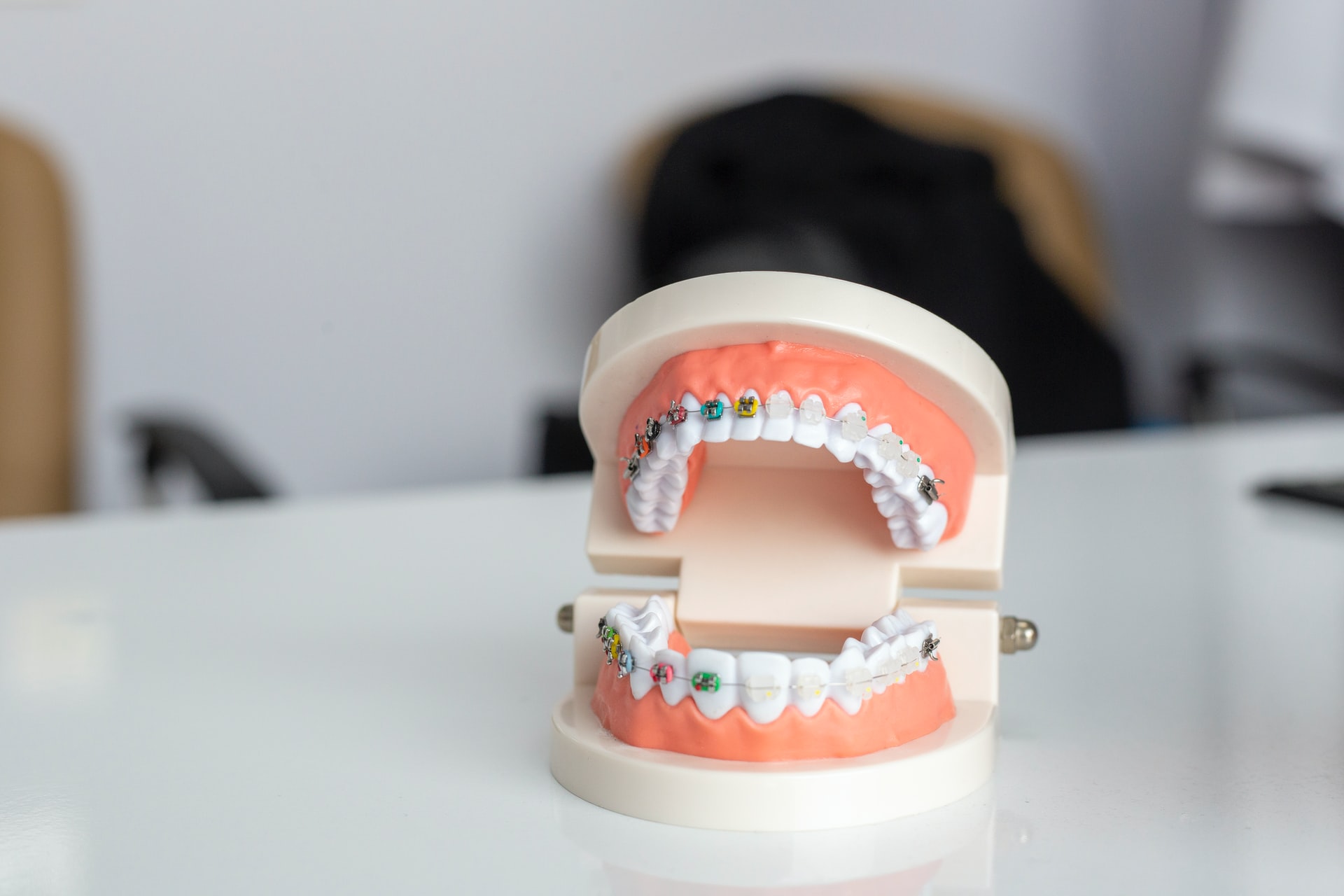
Braces Model on Dentist Desk sleep dentistry erie dr kevin mahoney

Even patients who do have to wear more traditional appliances will be pleased to know that advances have been made in these materials. Nickel and copper-titanium wires are optimized to temperatures in the mouth and will better self-adjust to shifts and changes as they are happening. Temporary anchorage devices (TADs) — tiny titanium screws or implants painlessly installed with a little anesthetic — give stubborn teeth the extra push they need to move along their proper course.

New Frontiers in Accelerated Orthodontics

In the future, accelerated orthodontics procedures may become more mainstream. These techniques rely on stimulating bone growth to get teeth to move in a fraction of the time, either through surgically shaving and reshaping bones and gums (PROPEL system) or calibrated vibrations (as through the AcceleDent, a device that fits over the orthodontics and delivers a micropulse to spur cellular activity). Each technique has been made less invasive and more effective as time progresses, so be sure to ask your dentist about this revolutionary medical enhancement.

Orthodontic Services at Sleep Dentistry with Dr. Kevin Mahoney

The key to a successful orthodontic treatment plan is working smarter, not faster. With a more individualized plan and following your doctor's instructions, the time you spend in braces or aligners may fly by after all. Sleep Dentistry with Dr. Kevin Mahoney allows you to get more work done in fewer visits with less pain and discomfort. You’ll be showing a beautifully bare smile before you know it!

FIX MY SMILE