

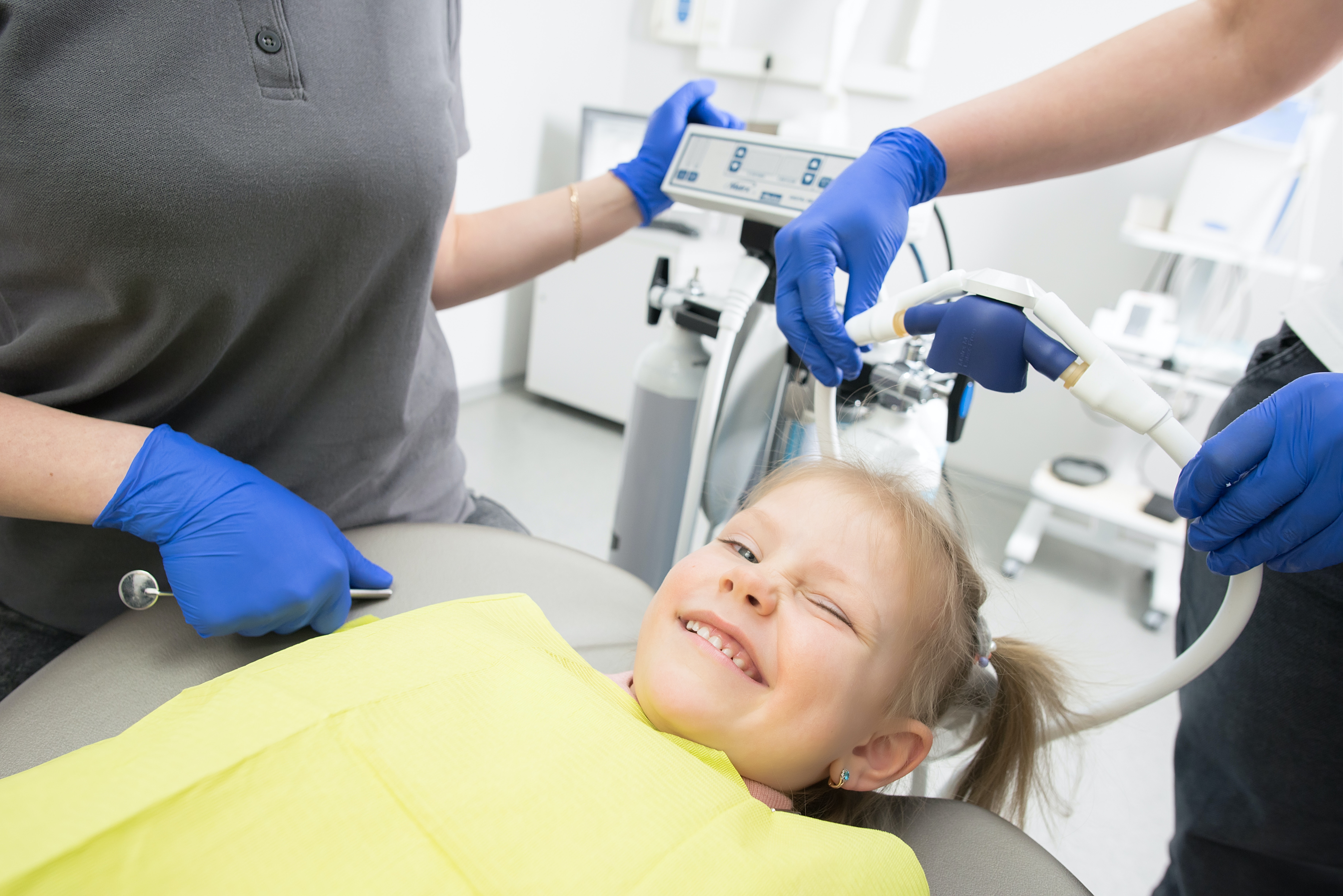


You may have heard that dental procedures at Sleep Dentistry with Dr. Kevin Mahoney can be performed under general anesthesia, a practice also referred to as sleep dentistry. General anesthesia is often chosen for dental procedures that are especially complex or for patients who experience significant dental anxiety, as it helps ensure comfort and safety throughout the treatment.
But what exactly is general anesthesia, how is it done, and what distinguishes it from a) other forms of anesthesia and b) deep sedation? Why might sleep dentistry be right for you? Let’s dig into it here!
What is General Anesthesia?
General anesthesia is a type of anesthesia that induces a complete loss of consciousness, making the patient unaware of their surroundings and unable to feel pain. It is typically used for more complex surgical procedures (such as major surgeries) and is administered by an anesthesiologist.
General anesthesia can be induced through various methods, including gas inhalation, intravenous medications, or a combination of both. During the procedure, the anesthesiologist carefully monitors the patient’s vital signs to ensure their safety and well-being. This level of anesthesia ensures that the patient remains completely unconscious and does not experience any pain or discomfort during the surgery.
Risks and Benefits
As with any medical procedure, general anesthesia carries both risks and benefits. The primary benefit is the complete pain relief it provides during the procedure, allowing for complex surgeries that would be impossible under local anesthesia. Additionally, general anesthesia helps reduce anxiety and stress, making the experience more comfortable for the patient.
However, there are certain risks associated with general anesthesia. Respiratory complications, such as difficulty breathing, can occur, and cardiovascular complications, like changes in blood pressure or heart rate, are possible. Nausea and vomiting are common side effects, and in rare cases, allergic reactions to the anesthesia can occur. Furthermore, postoperative delirium and changes in cognitive function are potential risks, especially in older adults, and should be carefully monitored after surgery.
There is also an increased risk of infection. It’s essential to discuss these risks and benefits with your anesthesiologist to determine if general anesthesia is the right choice for your specific procedure.
Recovery and Aftercare
After undergoing general anesthesia, patients typically require a period of recovery. This includes monitoring vital signs, such as heart rate and blood pressure, to ensure stability and optimal health. A pulse oximeter is used to continuously monitor oxygen saturation levels during recovery, helping to promptly detect any signs of hypoxemia (low oxygen levels in the blood). Oxygen therapy may be provided to assist with breathing, and pain management is crucial to control any discomfort. Medications to prevent nausea and vomiting are often administered to avoid complications.
Rest is vital during the recovery period to allow the body to heal. Patients should follow the instructions provided, which may include avoiding heavy lifting, bending, or strenuous activities. Adhering to a specific diet and medication regimen is also important for a smooth and safe recovery. By following these guidelines, patients can ensure a quicker return to their normal activities and overall well-being.
Other Types of Anesthesia
The other commonly used types of anesthesia - local and regional - are differentiated by how much of the body they affect. The choice of anesthesia may also depend on factors such as the patient's body mass index, which can influence risk assessment and anesthetic planning. Some regional anesthetics or sedative agents may be administered intravenously, and proper selection of the injection site is important for safety and effectiveness.
Local anesthesia
Often administered topically or through injection, local anesthesia numbs only the site being worked on. Novocaine, which originated in the early 1900s, may be the most familiar example from the dentist’s office. However, it has since been replaced in most dental offices by lidocaine.
Regional anesthesia
Usually injected through the spine, regional anesthesia cuts off sensation to a more extensive portion of the body. In dental practice, it might be applied to interrupt pain signals to the jaw (i.e., mandible). One popular example of regional anesthesia being used outside of dentistry would be an epidural administered during childbirth. In some cases, regional anesthesia techniques like epidurals may use a continuous infusion to maintain anesthesia over a longer period.
The effectiveness of regional anesthesia can vary based on how the body responds and individual health habits.

What is Procedural Sedation?
In the context of anesthesia, procedural sedation is an umbrella term that covers the three different levels of consciousness we offer for minor procedures: Minimal, Moderate, and Deep Sedation.
Procedural sedation uses carefully administered sedative and pain-relieving medications to make patients feel comfortable, relaxed, and drowsy, but never truly unconscious. Unlike general anesthesia, the primary goal of procedural sedation is to provide enough relief from anxiety and pain while ensuring the patient retains the ability to breathe effectively and on their own.
-
It is a common choice for dental and medical procedures that are too involved for local numbing alone, but do not require the complete unconsciousness of general anesthesia.
-
The level of sedation used (from feeling just relaxed to being profoundly sleepy) is always carefully matched to the patient’s needs and the procedure’s complexity.
-
Throughout any level of sedation, the healthcare provider closely monitors the patient's vital signs to ensure a safe, predictable, and comfortable experience.
The Three Levels of Sedation
Sedation calms or soothes the patient to varying degrees, but in no form is the patient truly unconscious. Conscious sedation is often used for minor procedures to keep patients comfortable without the need for deeper anesthesia.
The level of sedation determines how patients respond to verbal commands or painful stimulation during a procedure. As the level of sedation deepens, cognitive function and physical coordination are progressively impaired, and the patient's ability to respond to stimuli decreases.
1. Minimal sedation
Under minimal sedation, a patient can still respond to questioning and follow directions. Often achieved with nitrous oxide, it's typically used in minimally invasive outpatient procedures and can aid with patient communication, cooperation, and relaxation.
2. Moderate sedation
Moderately sedated patients will feel drowsier but are still capable of responding. It might be applied in situations where a patient is acting in a defiant or belligerent fashion. Moderate sedation often involves the use of sedative drugs to achieve the desired level of drowsiness.
3. Deep sedation
When deeply sedated, patients will not stir from their sleep unless repeatedly or painfully stimulated, and their ability to respond to verbal stimulation is diminished. Willful recall of the procedure is rare.
Deep sedation is often administered intravenously, and some agents (such as propofol) have rapid redistribution, which affects the duration of sedation. Deep sedation also often involves analgesia (painkillers) to manage pain and allows patients to breathe on their own.
Finding a Dentist That Offers Sedation Through Anesthesia
To ensure a completely painless and comfortable experience for our patients, Sleep Dentistry with Dr. Kevin Mahoney utilizes general anesthesia to get more work done in less time, removing dental fear and anxiety from the equation. If you think you'd be a good candidate for sleep dentistry, there are several reasons why you might choose Dr. Mahoney. For results that you’ll remember without the potentially painful process of getting there, schedule an appointment with Dr. Mahoney today!