

Genetics do not always gift us the perfect smile. Beyond aesthetic considerations, crooked teeth or misaligned teeth can create difficulties with eating and speech, seriously impacting one’s quality of life.
Brief History of Orthodontics
Orthodontics, the branch of dentistry concerned with straightening and repositioning the teeth and jaws, goes way back — some historians suggest Ancient Egypt (in which “catgut,” a wire made from animal intestines, was used) or the Ancient Mediterranean (the Etruscans utilized mouthguards to prevent corpses’ teeth from collapsing inward over time). An Ancient Roman named Aulus Cornelius Celsus first attempted to straighten teeth in live patients, although his method of applying direct pressure was unpleasant.
Modern Orthodontic Treatment
Although orthodontics have come a long way in the past 5,000 years (especially since the invention and refinement of braces specially adapted to the needs and comforts of the living), many people still wouldn’t be caught dead wearing them.
Whether you’re a child or an adult, fear no longer. Wearing braces now is more discreet and more comfortable than it’s ever been, with several types of braces to choose from; this includes options that blend with natural teeth or are virtually invisible. The smarter orthodontic treatments introduced in just the past few decades have created a vastly improved experience for patients with alignment problems, making it easier to achieve straight teeth.

Today’s metal braces feature smaller brackets and wires, far easier to clean and manage than their predecessors.
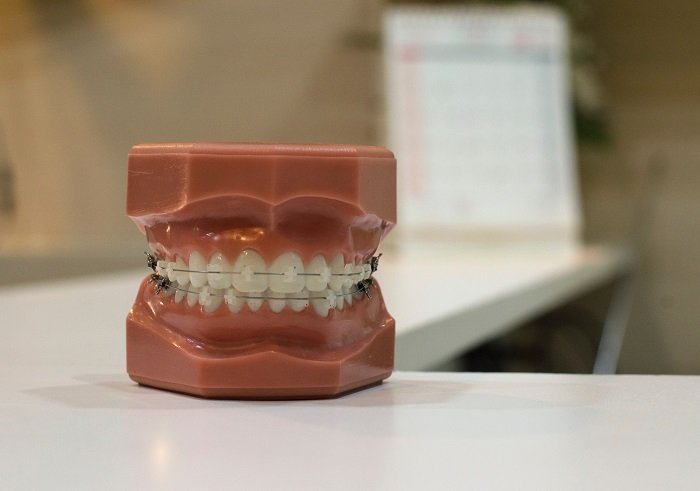
Ceramic braces, also known as clear braces or tooth-colored braces, are designed to blend with your natural teeth, providing a more aesthetic and discreet appearance for adults. Self-ligating braces are another modern option, using clips instead of elastic bands to secure the archwire, which can reduce friction and dental visits.
Invisalign plastic aligner trays are custom-fit around your teeth with no brackets, wires, bonds, or bands at all. These removable aligners are virtually invisible, offering a discreet appearance and convenience for daily activities. Note that clear aligners are best suited for mild to moderate or moderate alignment issues.
Maintenance and Care for Modern Orthodontics
Maintaining excellent oral hygiene is a cornerstone of successful orthodontic treatment, whether you’re wearing traditional metal braces, ceramic braces, lingual braces, or clear aligners. Keeping your teeth and orthodontic appliances clean not only helps prevent tooth decay and gum disease, but also ensures your treatment stays on track for the best possible results.
Brushing and Flossing
For those with metal braces, daily brushing is essential. Use a soft-bristled toothbrush and fluoride toothpaste, taking extra care to clean around the brackets and wires where plaque and food particles can easily collect. Flossing every day is just as important; special orthodontic flossers or threaders can help you reach between your teeth and under the wires, reducing the risk of dental problems during your orthodontic journey.
If you have lingual braces, which are attached to the back of your teeth, you may need to use special brushes or tools to keep them clean. Your orthodontist can recommend the best products and techniques to help you maintain healthy teeth and gums throughout your treatment.
Clear aligners require a different approach. Rinse your removable plastic trays with cold water and mild soap, and avoid hot water or harsh chemicals that could warp the aligners. Always brush and floss your teeth before putting your aligners back in to prevent plaque buildup and keep your smile fresh.
Diet
Your diet also plays a big role in protecting your braces and your oral health. Sticky foods like candy and chewing gum can get caught in your brackets and wires, while hard foods such as nuts or ice can damage your orthodontic appliances. To keep your braces in top shape, opt for softer foods that are gentle on your teeth and easier to chew.
Scheduled Appointments
Regular visits to your orthodontist are key to a successful treatment plan. These appointments allow your orthodontic specialist to adjust your braces, monitor your tooth movement, and address any issues before they become bigger problems. Staying on schedule with these visits helps ensure your treatment duration stays as short as possible and your results are long-lasting.
By following your orthodontist’s instructions for care and maintenance, you can help ensure a smooth, successful treatment and achieve the straight, healthy smile you’ve always wanted. Whether you’re wearing metal braces, ceramic brackets, or clear aligners, a little extra care goes a long way toward making your orthodontic experience as comfortable and effective as possible. If you ever have questions or concerns about your orthodontic appliances or oral hygiene, don’t hesitate to reach out to your dental professional for guidance.
Orthodontics with Dr. Mahoney
At Sleep Dentistry with Dr. Kevin Mahoney, painful orthodontic procedures are truly ancient history. We will utilize the least obtrusive, most painless methods to help you achieve your best smile - the one you may not have been born with, but the one you were born for.