
Pediatric Dentist in Erie, PA

At our pediatric dental office in Erie, our team is dedicated to delivering exceptional dental care for your child and your family. Our practice is committed to the oral health and well-being of our youngest patients, ensuring every visit is a positive experience from the moment you walk through our door.

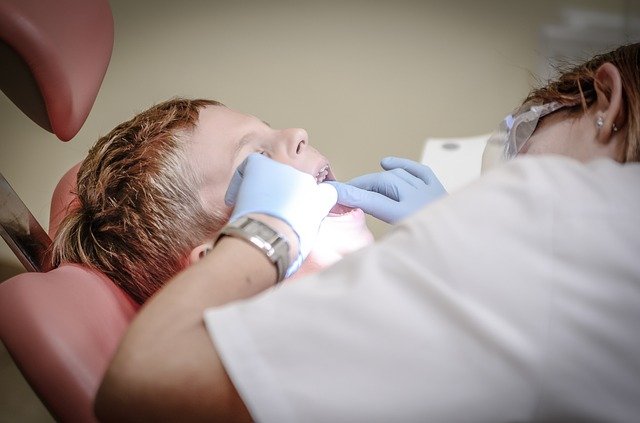
We understand that a trip to the dentist can sometimes cause pain, anxiety, or an uneasy feeling for young ones. That’s why our staff goes above and beyond to make every patient feel comfortable and safe upon arrival. 

We offer a wide range of dental services tailored to youth, including preventative care, routine check-ups, and specialized treatments. Our professional, caring team provides special attention to each individual, working to establish a lifelong commitment to oral health.

Calm, Confident Smiles for Kids

One of the unique services we offer is the support of our therapy dog, "Dogtor" Gizmo, who helps our patients feel at ease during their visit. For those who need extra support with dental anxieties and phobias, Dr. Kevin Mahoney, a board-certified dental anesthesiologist, provides safe, effective sleep dentistry. We are proud to provide these options to ensure everyone can receive the dental care they need without fear.

Another aspect of pediatric dentistry also ties into orthodontics. Braces are a big dental milestone for children, and it is recommended that parents schedule an orthodontic appointment for their child by the age of seven.

Young children, pre-teens, and teenagers all have unique needs that differentiate pediatric dentistry from general dentistry. It is important to understand that to help them avoid future dental problems and guide them through healthy dental growth and development. We look forward to welcoming you to our office and being a part of your family’s dental journey!

Pediatric Dentistry Erie, PA Dr. Kevin Mahoney

Schedule an Appointment  

Pediatric Dentistry FAQ

What is pediatric dentistry?

Pediatric dentistry is a specialty focused on the unique dental needs of infants through teens. Our team has advanced training to provide comprehensive dental care and address the specific needs of young patients.

How often should a child see a dentist?

According to the American Academy of Pediatric Dentistry, children should receive a dental check-up at least twice a year. The ideal frequency of dental visits depends on the amount of tooth decay, unusual growth patterns, or poor oral hygiene. Your child must get professional teeth cleanings and fluoride treatments to help prevent future cavities.

How do I prevent dental problems?

Preventing cavities is very important in maintaining good oral hygiene for you and your children. For infants, it's good to use a wet washcloth or a piece of gauze to wipe away the plaque from their teeth and gums. Be sure to avoid putting your child to bed with a bottle filled with anything other than water.

With older children, make sure they are brushing at least two times a day. It is also a good idea to limit the number of snacks with sugar in them. The American Academy of Pediatric Dentistry recommends six-month visits to the pediatric dentist, beginning with your child's first birthday.

How do I get my child to brush?

In order to get your kids to brush their teeth willingly, make it fun! Adding something as simple as music to your teeth-brushing routine can help get kids excited to brush their teeth. Play their favorite song and have them brush for at least two minutes of the song. While that is just one way, there are plenty of options to get kids excited about brushing their teeth.

What is fluoride?

Fluoride is a mineral that helps strengthen enamel and prevent decay. It has been documented to not only be safe but also highly effective at preventing cavities. 

The greatest risk when using fluoride is with children who tend to swallow their toothpaste. This could lead to an excessive amount of consumption of fluoride, which could lead to fluorosis (a condition that affects the appearance of tooth enamel). We’ll discuss the right amount for your loved one during your visit!

You can take these steps to decrease the risk of using fluoride:

  • Use a small amount of toothpaste when brushing your children's teeth.
  • Use baby tooth cleanser on the toothbrushes of very young children.
  • Account for all sources of fluoride in your food and liquids.
  • Before giving your child fluoride supplements, test your water for the amount of fluoride.
  • Find out more about what's in your toothpaste.
My child has a cavity in a baby tooth. Why should I have it fixed if it will fall out eventually?

Baby (Deciduous) teeth are very important. Each tooth has a function. Should a tooth become diseased (like a cavity) and left untreated, the results could be painful, causing eating to become a difficult task and in the case of school-aged children, causing poor performance in school.

My child hates going to the dentist. Is sleep dentistry a safe option?

Yes,  sleep dentistry is a safe and effective service for those with severe dental anxiety or special needs. Our professional team will discuss all options with you.

Where To Find Us

We look forward to meeting you and your loved ones and to being your trusted partner in pediatric dental care. Continue your family’s journey to a healthy smile with us! 
📍 Address: 3915 Caughey Rd, Erie, PA 16506
 
📞 Phone:  (814) 833-3505
 

Recent Posts

A Rare Professional: Dental Anesthesiologist

Posted on April 12th, 2023 at 9:00 AM
A Rare Professional: Dental Anesthesiologist

Dental phobias are, unfortunately, very common. Every year, over 40 million Americans risk more severe health issues by delaying and evading dental treatment. For those suffering from dental anxiety, dental anesthesia can be the perfect solution. But despite how useful this practice is for those who fear the dentist, Dr. Kevin Mahoney is one of only approximately 300 dental anesthesiologists in the US. 

What is a dental anesthesiologist?

A dental anesthesiologist is a dentist who is qualified to administer general anesthesia. All dentists are trained in the administration of local and regional anesthetics (such as lidocaine), which totally numb pain signals near the injection site. With general anesthesia, however, the patient is rendered completely unconscious. They’ll usually require assistance keeping their airway open and will have no memory of the procedure after. 

General anesthesia can’t be administered by any dentist, however. A dental anesthesiologist is fully trained and board-approved to deliver dental anesthesia safely and effectively. 

Sedation dentistry vs. sleep dentistry

You may already be familiar with the dental practice of sedating patients with “laughing gas” (a common name for nitrous oxide), but this is a form of dental sedation, not dental anesthesia. What’s the difference between sedation dentistry and sleep dentistry, you might ask?

Dental sedation is commonly administered in the form of gas or a pill, and is overall weaker than anesthesia. This means that, while the patient will be calm and may even fall asleep during the procedure, they’re not fully unconscious. They can usually breathe without assistance, as well as respond to some verbal and physical cues. 

What does a dental anesthesiologist do? 

A dental anesthesiologist delivers general anesthesia through an IV line. During the procedure, they monitor the patient’s condition to ensure that the anesthesia is working correctly and that the patient is safe. Once the procedure is over, they monitor the patient until they’ve recovered enough from the anesthesia to be discharged. 

How to become a dental anesthesiologist

In order to become a dental anesthesiologist, a dentist must first be fully certified in dentistry. This means either earning the Doctor of Dental Surgery (DDS) or the Doctor of Dental Medicine (DDM) title at a dental school. Once they've received their degree, they need to complete a two-year residency program in dental anesthesiology. Finally, they must pass a board examination from a dental anesthesiology board, such as the American Society of Dental Anesthesiologists or the American Dental Board of Anesthesiology. 

Overall, the process usually takes about eight years. Now you understand why there are so few dental anesthesiologists! 

Does insurance cover dental anesthesia?

While it varies from plan to plan, insurance generally only covers dental anesthesia if it’s deemed a medical necessity. This means that, if you’re opting for it only because you have a phobia of dental work, your insurance may not cover it. However, if you suffer from a condition that makes sedation a necessity (such as epilepsy), if you’re undergoing a complicated procedure, or if using anesthesia would lower the overall cost of the procedure, they may make exceptions. 

Why visit a dental anesthesiologist?

There are several benefits to visiting a dental anesthesiologist. Being asleep during the dental procedure ensures a comfortable and pain-free experience, which is especially comforting for those who avoid the dentist due to a dental phobia. Sleep dentistry allows dentists to complete all possible dental work in one session, instead of having to divide the procedures across multiple appointments. This saves you time and anxiety. 

Dental anesthesiology in Erie, PA

If you’re one of the millions of Americans who put off going to the dentist each year, don’t worry. For years, Dr. Mahoney and the rest of the staff at Sleep Dentistry have delivered high-quality dental care to their patients. Don’t lose sleep over your teeth — schedule an appointment with Sleep Dentistry today. 

REQUEST APPOINTMENT