

Pediatric Dentist in Erie, PA

At our pediatric dental office in Erie, our team is dedicated to delivering exceptional dental care for your child and your family. Our practice is committed to the oral health and well-being of our youngest patients, ensuring every visit is a positive experience from the moment you walk through our door.

We understand that a trip to the dentist can sometimes cause pain, anxiety, or an uneasy feeling for young ones. That’s why our staff goes above and beyond to make every patient feel comfortable and safe upon arrival. 

We offer a wide range of dental services tailored to youth, including preventative care, routine check-ups, and specialized treatments. Our professional, caring team provides special attention to each individual, working to establish a lifelong commitment to oral health.

Calm, Confident Smiles for Kids

One of the unique services we offer is the support of our therapy dog, "Dogtor" Gizmo, who helps our patients feel at ease during their visit. For those who need extra support with dental anxieties and phobias, Dr. Kevin Mahoney, a board-certified dental anesthesiologist, provides safe, effective sleep dentistry. We are proud to provide these options to ensure everyone can receive the dental care they need without fear.

Another aspect of pediatric dentistry also ties into orthodontics. Braces are a big dental milestone for children, and it is recommended that parents schedule an orthodontic appointment for their child by the age of seven.

Young children, pre-teens, and teenagers all have unique needs that differentiate pediatric dentistry from general dentistry. It is important to understand that to help them avoid future dental problems and guide them through healthy dental growth and development. We look forward to welcoming you to our office and being a part of your family’s dental journey!

Pediatric Dentistry Erie, PA Dr. Kevin Mahoney

Schedule an Appointment  

Pediatric Dentistry FAQ

What is pediatric dentistry?

Pediatric dentistry is a specialty focused on the unique dental needs of infants through teens. Our team has advanced training to provide comprehensive dental care and address the specific needs of young patients.

How often should a child see a dentist?

According to the American Academy of Pediatric Dentistry, children should receive a dental check-up at least twice a year. The ideal frequency of dental visits depends on the amount of tooth decay, unusual growth patterns, or poor oral hygiene. Your child must get professional teeth cleanings and fluoride treatments to help prevent future cavities.

How do I prevent dental problems?

Preventing cavities is very important in maintaining good oral hygiene for you and your children. For infants, it's good to use a wet washcloth or a piece of gauze to wipe away the plaque from their teeth and gums. Be sure to avoid putting your child to bed with a bottle filled with anything other than water.

With older children, make sure they are brushing at least two times a day. It is also a good idea to limit the number of snacks with sugar in them. The American Academy of Pediatric Dentistry recommends six-month visits to the pediatric dentist, beginning with your child's first birthday.

How do I get my child to brush?

In order to get your kids to brush their teeth willingly, make it fun! Adding something as simple as music to your teeth-brushing routine can help get kids excited to brush their teeth. Play their favorite song and have them brush for at least two minutes of the song. While that is just one way, there are plenty of options to get kids excited about brushing their teeth.

What is fluoride?

Fluoride is a mineral that helps strengthen enamel and prevent decay. It has been documented to not only be safe but also highly effective at preventing cavities. 

The greatest risk when using fluoride is with children who tend to swallow their toothpaste. This could lead to an excessive amount of consumption of fluoride, which could lead to fluorosis (a condition that affects the appearance of tooth enamel). We’ll discuss the right amount for your loved one during your visit!

You can take these steps to decrease the risk of using fluoride:

  • Use a small amount of toothpaste when brushing your children's teeth.
  • Use baby tooth cleanser on the toothbrushes of very young children.
  • Account for all sources of fluoride in your food and liquids.
  • Before giving your child fluoride supplements, test your water for the amount of fluoride.
  • Find out more about what's in your toothpaste.
My child has a cavity in a baby tooth. Why should I have it fixed if it will fall out eventually?

Baby (Deciduous) teeth are very important. Each tooth has a function. Should a tooth become diseased (like a cavity) and left untreated, the results could be painful, causing eating to become a difficult task and in the case of school-aged children, causing poor performance in school.

My child hates going to the dentist. Is sleep dentistry a safe option?

Yes,  sleep dentistry is a safe and effective service for those with severe dental anxiety or special needs. Our professional team will discuss all options with you.

Where To Find Us

We look forward to meeting you and your loved ones and to being your trusted partner in pediatric dental care. Continue your family’s journey to a healthy smile with us! 
📍 Address: 3915 Caughey Rd, Erie, PA 16506
 
📞 Phone:  (814) 833-3505
 

Recent Posts

How to Protect a Winning Smile: A Guide to Sports Mouthguards

Posted on August 15th, 2023 at 10:29 AM
How to Protect a Winning Smile: A Guide to Sports Mouthguards

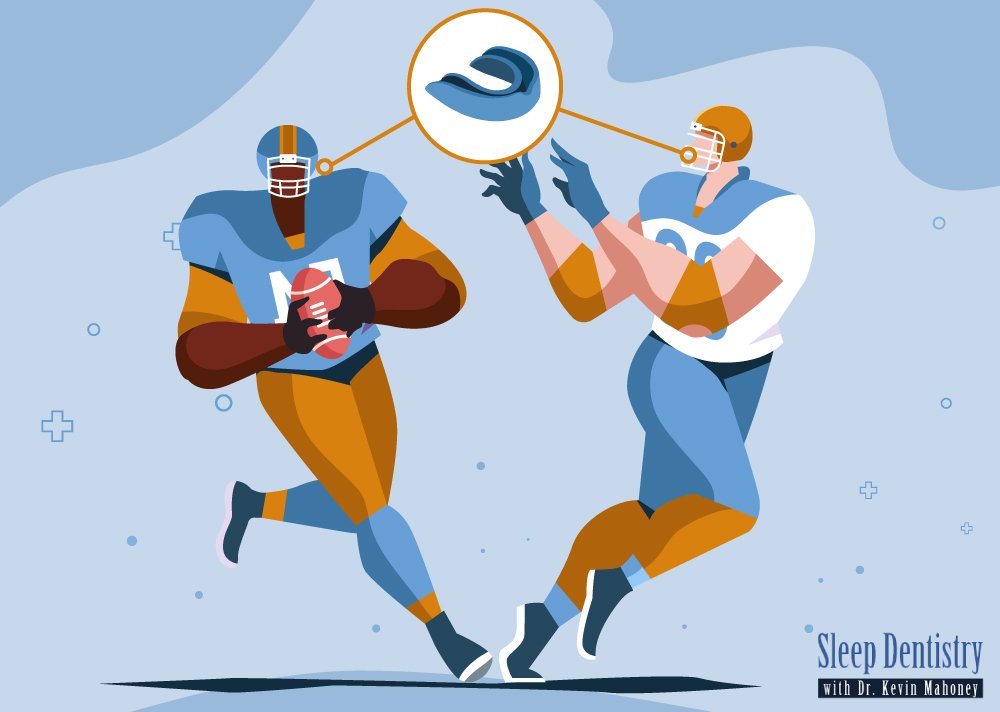
According to the American Dental Assistants’ Association, about 15 million Americans suffer a sports-related dental injury each year. With such a high number, the message is clear: whether you play football, soccer, basketball, or lacrosse, your teeth are in danger while you’re on the field. That’s why it's crucial that every athlete—from trained professionals to students starting out on their school team—has access to a durable sports mouthguard. 

Do You Really Need a Mouthguard for Sports?

According to most dental experts? Yes. 

Mouthguards are crucial for protecting your teeth during sports. They’re most important for sports where collisions and physical contact are expected, such as football, hockey, and boxing. Without a mouthguard, it only takes one strong impact to chip, crack, or knock out a tooth — or several, if you’re unlucky. 

Mouthguards are good for more than just protecting your teeth. Because teeth are so hard, a heavy impact can cause them to cut into the inner cheeks and tongue. A mouthguard keeps your teeth covered, which stops this from occurring. They also help to lessen the chance of a broken jaw. A sturdy mouthguard can even prevent concussions by absorbing shock while limiting your jaw’s movement (although no mouthguard can replace a helmet!)

Types of Sports Mouthguards

While all dental sports guards have the same basic design, there are three different types, each with varying levels of effectiveness: 

Stock Mouthguards

Stock mouthguards are available at most sporting goods stores. These mass-produced mouthguards come in limited sizes and typically offer the least amount of mouth protection. They are, however, very easy to obtain and inexpensive to replace. Stock mouthguards aren’t recommended by most dentists, but are better than nothing in a pinch. 

Mouth-Formed Mouthguards

Mouth-formed mouthguards, also referred to as “boil-and-bite” mouthguards, are the most commonly used type. This name comes from the fact that they’re boiled before being placed in the mouth. The material softens in the water and hardens as it cools, allowing you to mold the guard to the shape of your mouth. While better than stock mouthguards, they still need to be a certain thickness for them to be useful, and they often leave the back teeth exposed. 

Custom Mouthguards

Unlike the other mouthguard types, you can’t buy a custom mouthguard in a store. Instead, they’re custom-made by a dentist to fit your mouth and activity level. While expensive, they provide the best coverage while also being the most comfortable and unrestrictive. 

Choosing and Using Your Mouthguard

1. Choose Your Mouthguard

First, you’ll need to choose your mouthguard. Remember that stock mouthguards aren’t recommended by dental professionals; they should only be your choice if your other option is no mouth protector at all. 

2. Prepare the Mouthguard as Necessary

Next, you’ll need to prepare your mouthguard. This step is mostly for “boil-and-bite” mouthguards, which need to be boiled until soft and set in the mouth before they can be used. 

3. Clean Your Mouthguard

While this is more applicable for a mouthguard you’ve already used, it’s still good to make sure anything you’ll be keeping in your mouth is as clean as possible. Rinse your mouthguard out with warm, soapy water, then rinse with clean water to make sure there’s no soap remaining. 

4. Clean Your Teeth

Your mouthguard isn’t the only thing that should be cleaned. Any bacteria or food particles on your teeth will be trapped by the mouthguard while it’s used. To minimize this problem, brush and floss beforehand.

5. Insert Mouthguard

Once your mouth is clean and your mouthguard is prepared, simply insert it into your mouth and bite along the grooves as necessary to keep it in place. 

6. Replace Mouthguard as Necessary

Even custom mouthguards aren’t meant to be used forever. Over time, mouthguards will deform, crack, and eventually begin to break down. If your child is using a mouthguard while still growing, they’ll need to replace it frequently in order to keep up with the changing size and shape of their mouth. A dentist can tell you when a mouthguard needs to be replaced, so if you aren’t sure, bring it to your next dental appointment. 

Dental Emergencies in the Arena

If you aren’t wearing a sports mouthguard, or if the one you’re wearing is ill-fitting, it’s possible to sustain a serious sports-related dental injury. If you or your child cracks or loses a tooth during a game, don’t panic. Stop any bleeding with gauze and get to the nearest dental clinic that offers emergency dental care. If the injury is more severe, such as a broken jaw or concussion, then go to the emergency room. 

Tooth Restoration with Sleep Dentistry

Even with proper mouth protection, accidents can happen—and if you’ve suffered a sports-related dental injury, you’ve likely experienced enough pain already. With Dr. Kevin Mahoney and Sleep Dentistry, you can sleep through your tooth repairs—as well as any other dental procedures you need performed—completely pain-free. Schedule your appointment today and help your smile return to its glory days. 

SCHEDULE AN APPOINTMENT