

Pediatric Dentist in Erie, PA

At our pediatric dental office in Erie, our team is dedicated to delivering exceptional dental care for your child and your family. Our practice is committed to the oral health and well-being of our youngest patients, ensuring every visit is a positive experience from the moment you walk through our door.

We understand that a trip to the dentist can sometimes cause pain, anxiety, or an uneasy feeling for young ones. That’s why our staff goes above and beyond to make every patient feel comfortable and safe upon arrival. 

We offer a wide range of dental services tailored to youth, including preventative care, routine check-ups, and specialized treatments. Our professional, caring team provides special attention to each individual, working to establish a lifelong commitment to oral health.

Calm, Confident Smiles for Kids

One of the unique services we offer is the support of our therapy dog, "Dogtor" Gizmo, who helps our patients feel at ease during their visit. For those who need extra support with dental anxieties and phobias, Dr. Kevin Mahoney, a board-certified dental anesthesiologist, provides safe, effective sleep dentistry. We are proud to provide these options to ensure everyone can receive the dental care they need without fear.

Another aspect of pediatric dentistry also ties into orthodontics. Braces are a big dental milestone for children, and it is recommended that parents schedule an orthodontic appointment for their child by the age of seven.

Young children, pre-teens, and teenagers all have unique needs that differentiate pediatric dentistry from general dentistry. It is important to understand that to help them avoid future dental problems and guide them through healthy dental growth and development. We look forward to welcoming you to our office and being a part of your family’s dental journey!

Pediatric Dentistry Erie, PA Dr. Kevin Mahoney

Schedule an Appointment  

Pediatric Dentistry FAQ

What is pediatric dentistry?

Pediatric dentistry is a specialty focused on the unique dental needs of infants through teens. Our team has advanced training to provide comprehensive dental care and address the specific needs of young patients.

How often should a child see a dentist?

According to the American Academy of Pediatric Dentistry, children should receive a dental check-up at least twice a year. The ideal frequency of dental visits depends on the amount of tooth decay, unusual growth patterns, or poor oral hygiene. Your child must get professional teeth cleanings and fluoride treatments to help prevent future cavities.

How do I prevent dental problems?

Preventing cavities is very important in maintaining good oral hygiene for you and your children. For infants, it's good to use a wet washcloth or a piece of gauze to wipe away the plaque from their teeth and gums. Be sure to avoid putting your child to bed with a bottle filled with anything other than water.

With older children, make sure they are brushing at least two times a day. It is also a good idea to limit the number of snacks with sugar in them. The American Academy of Pediatric Dentistry recommends six-month visits to the pediatric dentist, beginning with your child's first birthday.

How do I get my child to brush?

In order to get your kids to brush their teeth willingly, make it fun! Adding something as simple as music to your teeth-brushing routine can help get kids excited to brush their teeth. Play their favorite song and have them brush for at least two minutes of the song. While that is just one way, there are plenty of options to get kids excited about brushing their teeth.

What is fluoride?

Fluoride is a mineral that helps strengthen enamel and prevent decay. It has been documented to not only be safe but also highly effective at preventing cavities. 

The greatest risk when using fluoride is with children who tend to swallow their toothpaste. This could lead to an excessive amount of consumption of fluoride, which could lead to fluorosis (a condition that affects the appearance of tooth enamel). We’ll discuss the right amount for your loved one during your visit!

You can take these steps to decrease the risk of using fluoride:

  • Use a small amount of toothpaste when brushing your children's teeth.
  • Use baby tooth cleanser on the toothbrushes of very young children.
  • Account for all sources of fluoride in your food and liquids.
  • Before giving your child fluoride supplements, test your water for the amount of fluoride.
  • Find out more about what's in your toothpaste.
My child has a cavity in a baby tooth. Why should I have it fixed if it will fall out eventually?

Baby (Deciduous) teeth are very important. Each tooth has a function. Should a tooth become diseased (like a cavity) and left untreated, the results could be painful, causing eating to become a difficult task and in the case of school-aged children, causing poor performance in school.

My child hates going to the dentist. Is sleep dentistry a safe option?

Yes,  sleep dentistry is a safe and effective service for those with severe dental anxiety or special needs. Our professional team will discuss all options with you.

Where To Find Us

We look forward to meeting you and your loved ones and to being your trusted partner in pediatric dental care. Continue your family’s journey to a healthy smile with us! 
📍 Address: 3915 Caughey Rd, Erie, PA 16506
 
📞 Phone:  (814) 833-3505
 

Recent Posts

Smile Makeovers: Revitalizing and Restoring Teeth

Posted on September 25th, 2019 at 9:28 AM
Smile Makeovers: Revitalizing and Restoring Teeth

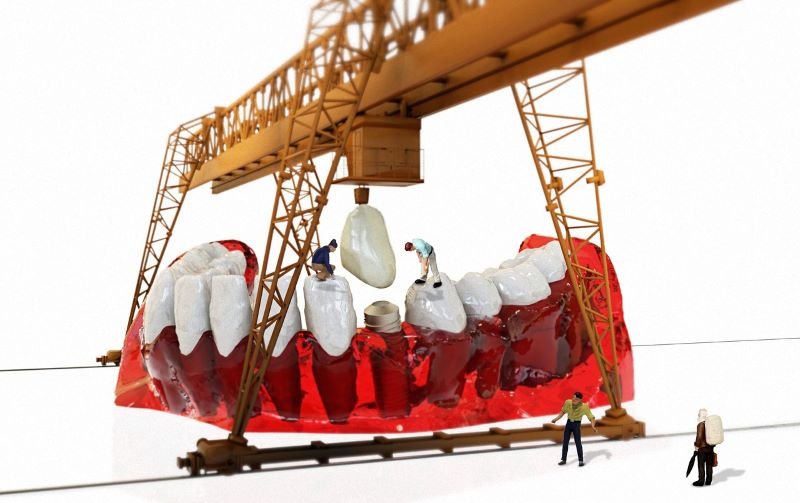
Every tooth you have is a finely tuned piece of engineering and architecture, with a specialized function and shape that allows it to both work with and fit in with its partners. A typical, healthy adult mouth will have either 28 or 32 teeth (depending on whether or not the wisdom teeth, or third molars, have been removed). When one or more teeth suffer damage or decay, it affects the entire operation. Thankfully, with the modern materials and technologies available, we can perform partial or complete smile makeovers through dental restorations

What are the four types of teeth?

  1. Incisors (8 total): Four central teeth on the upper and lower jaw, with a fine edge for chopping and cutting food into smaller chunks. 
  2. Canines (4): The two pointed teeth on either side of each set of incisors. They help grip and tear food.
  3. Premolars (8): There are two of these between each of the four canines and the corresponding set of molars in each corner of the mouth. The sharper front edge assists the canine with tearing, while the more flattened back half helps the molars to crush food.
  4. Molars (8-12): The flat surfaces of molars crush and grind food up to make it easier to swallow. There are 2 in each corner of the mouth (3 if the wisdom teeth remain in place).
What is the anatomy of a tooth?

Enamel: The white outermost layer of each tooth, comprised mostly of the mineral calcium phosphate, is one of the hardest organic substances in the world — the equivalent of crystal rock! 

Dentin: Underneath the enamel is the dentin, a hard tissue harboring a network of microscopic tubes. These tubes are supply lines for the nutrients your teeth need to stay healthy.

Pulp: The soft, spongy innermost layer of the tooth is alive with blood vessels and nerves. It is our job as a dentist and your job as a patient to preserve the outer tooth so the inner tooth remains protected at all costs!

Crown: Refers to the uppermost part of each tooth above the gumline. This is the part of the tooth you are most familiar with when you smile and eat.

Neck: The circumference of the tooth where it inserts into the bone socket, separating the crown and the root. 

Root: The part of the tooth beneath the gumline, anchored into the jaw by a connective material called cementum. 

What can I do about a damaged or unsightly tooth?

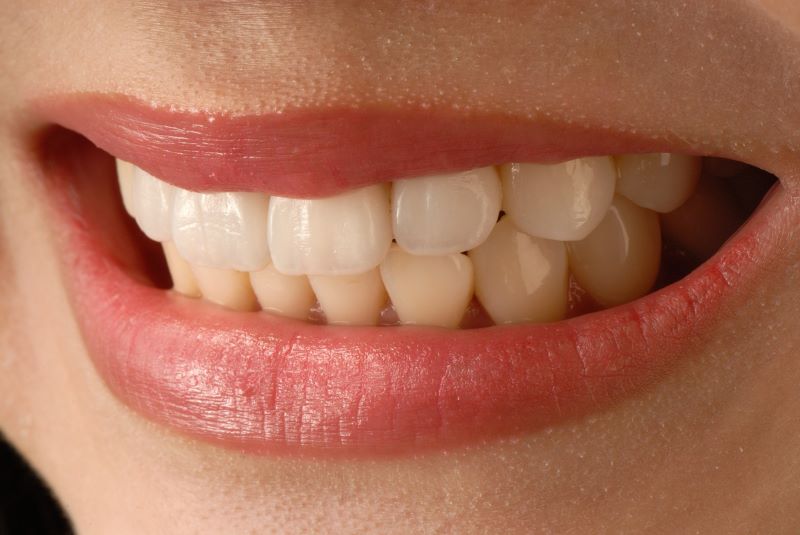
No one is perfect. Even with a committed oral hygiene routine, teeth can suffer the effects of decay because of age or genetics. Luckily, modern tooth restoration techniques can get a damaged tooth working and looking as good as new! There are two main categories of dental restorations.

Direct: These restorations, usually dental fillings, are completed in a single sitting. The tooth is cleaned and prepped and soft material is worked into the cavity, set into place, ground, and polished to ensure a smooth finish and perfect bite. 

Indirect: Sometimes, when damage to a tooth is more extensive, a dentist will take impressions and send them off to a lab, where a dental technician will fabricate the restoration outside the office. During a subsequent visit, the dentist will cement the restoration into place. Examples include:

  • Inlays and onlays (similar to fillings, but formed outside the office)
  • Bridges (false teeth to fill gaps in your smile)
  • Crowns (a cap for a damaged or weakened tooth)
  • Veneers (a porcelain shell that fits over the tooth for either protective or cosmetic purposes)

Achieve your best smile with Dr. Kevin Mahoney.

Whether you need your mouth to feel better or want your smile to look better, the staff at Sleep Dentistry Erie has the tools and the materials to get you there. Not only that, but you can also skip any pain and discomfort in the process thanks to safe, effective general anesthesia!

Get started