
Pediatric Dentist in Erie, PA

At our pediatric dental office in Erie, our team is dedicated to delivering exceptional dental care for your child and your family. Our practice is committed to the oral health and well-being of our youngest patients, ensuring every visit is a positive experience from the moment you walk through our door.

We understand that a trip to the dentist can sometimes cause pain, anxiety, or an uneasy feeling for young ones. That’s why our staff goes above and beyond to make every patient feel comfortable and safe upon arrival. 

We offer a wide range of dental services tailored to youth, including preventative care, routine check-ups, and specialized treatments. Our professional, caring team provides special attention to each individual, working to establish a lifelong commitment to oral health.

Calm, Confident Smiles for Kids

One of the unique services we offer is the support of our therapy dog, "Dogtor" Gizmo, who helps our patients feel at ease during their visit. For those who need extra support with dental anxieties and phobias, Dr. Kevin Mahoney, a board-certified dental anesthesiologist, provides safe, effective sleep dentistry. We are proud to provide these options to ensure everyone can receive the dental care they need without fear.

Another aspect of pediatric dentistry also ties into orthodontics. Braces are a big dental milestone for children, and it is recommended that parents schedule an orthodontic appointment for their child by the age of seven.

Young children, pre-teens, and teenagers all have unique needs that differentiate pediatric dentistry from general dentistry. It is important to understand that to help them avoid future dental problems and guide them through healthy dental growth and development. We look forward to welcoming you to our office and being a part of your family’s dental journey!

Pediatric Dentistry Erie, PA Dr. Kevin Mahoney

Schedule an Appointment  

Pediatric Dentistry FAQ

What is pediatric dentistry?

Pediatric dentistry is a specialty focused on the unique dental needs of infants through teens. Our team has advanced training to provide comprehensive dental care and address the specific needs of young patients.

How often should a child see a dentist?

According to the American Academy of Pediatric Dentistry, children should receive a dental check-up at least twice a year. The ideal frequency of dental visits depends on the amount of tooth decay, unusual growth patterns, or poor oral hygiene. Your child must get professional teeth cleanings and fluoride treatments to help prevent future cavities.

How do I prevent dental problems?

Preventing cavities is very important in maintaining good oral hygiene for you and your children. For infants, it's good to use a wet washcloth or a piece of gauze to wipe away the plaque from their teeth and gums. Be sure to avoid putting your child to bed with a bottle filled with anything other than water.

With older children, make sure they are brushing at least two times a day. It is also a good idea to limit the number of snacks with sugar in them. The American Academy of Pediatric Dentistry recommends six-month visits to the pediatric dentist, beginning with your child's first birthday.

How do I get my child to brush?

In order to get your kids to brush their teeth willingly, make it fun! Adding something as simple as music to your teeth-brushing routine can help get kids excited to brush their teeth. Play their favorite song and have them brush for at least two minutes of the song. While that is just one way, there are plenty of options to get kids excited about brushing their teeth.

What is fluoride?

Fluoride is a mineral that helps strengthen enamel and prevent decay. It has been documented to not only be safe but also highly effective at preventing cavities. 

The greatest risk when using fluoride is with children who tend to swallow their toothpaste. This could lead to an excessive amount of consumption of fluoride, which could lead to fluorosis (a condition that affects the appearance of tooth enamel). We’ll discuss the right amount for your loved one during your visit!

You can take these steps to decrease the risk of using fluoride:

  • Use a small amount of toothpaste when brushing your children's teeth.
  • Use baby tooth cleanser on the toothbrushes of very young children.
  • Account for all sources of fluoride in your food and liquids.
  • Before giving your child fluoride supplements, test your water for the amount of fluoride.
  • Find out more about what's in your toothpaste.
My child has a cavity in a baby tooth. Why should I have it fixed if it will fall out eventually?

Baby (Deciduous) teeth are very important. Each tooth has a function. Should a tooth become diseased (like a cavity) and left untreated, the results could be painful, causing eating to become a difficult task and in the case of school-aged children, causing poor performance in school.

My child hates going to the dentist. Is sleep dentistry a safe option?

Yes,  sleep dentistry is a safe and effective service for those with severe dental anxiety or special needs. Our professional team will discuss all options with you.

Where To Find Us

We look forward to meeting you and your loved ones and to being your trusted partner in pediatric dental care. Continue your family’s journey to a healthy smile with us! 
📍 Address: 3915 Caughey Rd, Erie, PA 16506
 
📞 Phone:  (814) 833-3505
 

Recent Posts

What To Do About Sudden Tooth Pain

Posted on September 8th, 2023 at 11:39 AM
What To Do About Sudden Tooth Pain

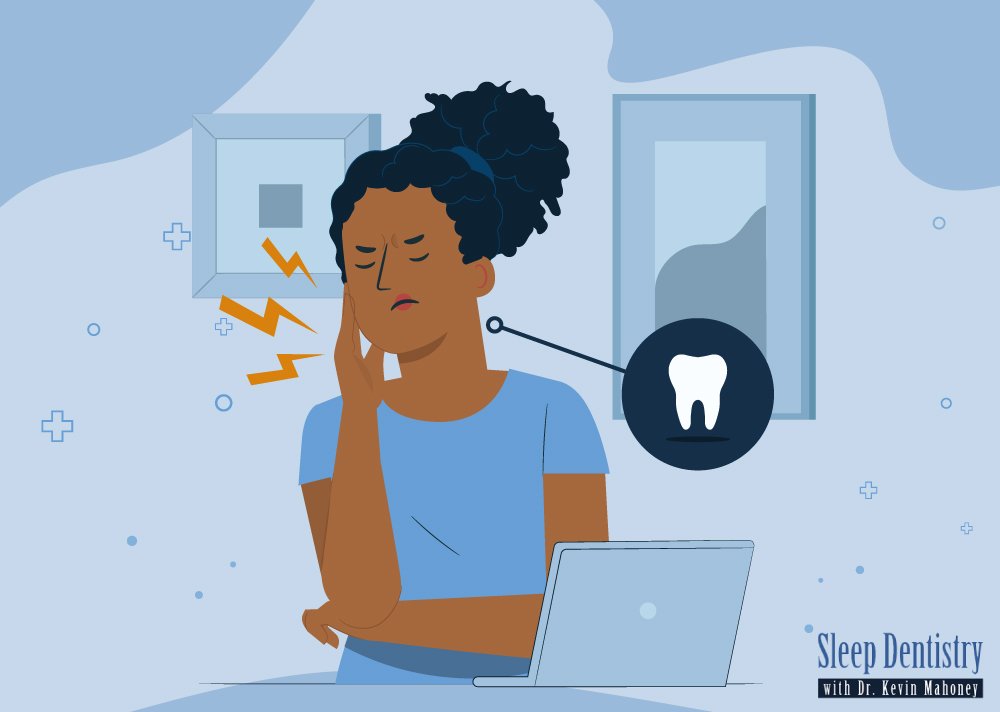
Have you ever woken up with a toothache that was gone before lunchtime? Do you avoid biting into ice cream because it hurts your teeth when you do? Has your mouth been aching on and off ever since you started using whitening strips? If you answered yes to any of these questions, then you have experience with sudden tooth pain. 

Why Am I Experiencing Sudden Dental Pain?

Not every toothache means your tooth is about to fall out. Sudden, sharp tooth pain that goes away over time can have several causes, including:

Cavity

A common cause of acute dental pain is cavities. As plaque builds up on your teeth, it eats through the enamel. This leaves permanent holes in the surface of your teeth. While easily treated by a professional, they are painful and grow until treated. 

Eroding Enamel

Over time, the enamel coating your teeth can erode due to aggressive brushing, eating highly acidic foods, or even eating disorders, particularly bulimia. This can make your teeth ache due to increased sensitivity. Eroded enamel can also make your teeth sensitive to hot or cold foods. 

Receding Gums

Your gums help to protect the nerve endings near the roots of your teeth. If the tissue is worn down, your gums will recede and expose these nerves, which can make your teeth more sensitive. 

Grinding Your Teeth

Grinding or clenching your jaw can wear down enamel and put pressure on your teeth, causing pain. Many people clench their jaws in their sleep or during stressful situations, which means you could be damaging your enamel without realizing it. 

Recent Dental Procedures

If you recently had dental work done, your teeth may be sore. Even routine professional teeth cleaning can leave them tender for a day or two, so don’t worry—in this case, some discomfort is completely normal. 

Teeth Whiteners

Teeth whitening products such as whitening strips or bleaching gels can make your teeth more sensitive, leading to dental pain. This is because many at-home tooth whiteners use active ingredients such as hydrogen peroxide, which thins enamel and irritates dental nerves. 

At-Home Management of Acute Dental Pain

Even if you’re unsure of the cause, it’s possible to treat some dental pain at home. Note that these methods are only for minor issues; serious ones should be treated by a dentist. 

Rinsing with Salt Water

Rinsing your mouth with salt water is a quick, easy way to disinfect minor wounds and loosen debris in your mouth. It can also help to ease swelling. 

Cold Compresses

A cold compress applied to the jaw can help numb tooth pain. If you’re making your own, be sure not to apply ice or an ice pack directly to your skin—wrap it in a cloth first. 

Avoiding Crunchy/Non-Room Temperature Foods

If you’re experiencing pain when eating hot, cold, or crunchy foods, avoiding them can alleviate your discomfort. This won’t solve the sensitivity, but it will spare you some tooth pain. 

Oral Analgesics

Oral analgesics are painkillers taken by mouth and can be useful for stopping dental pain. For example, over-the-counter medicine like Ibuprofen is a great way to deal with minor toothaches. If you’re experiencing bleeding, avoid Tylenol and Aspirin—the active ingredients can make you bleed more. 

Stop Using Teeth Whiteners

If you’re using teeth whitening products, try avoiding them for a few days to see if your pain and sensitivity subside. 

When to See a Professional

Home remedies will only get you so far when it comes to dental pain. You should seek out a professional if you experience one or more of the following symptoms: 

  • Pain that lasts more than 48 hours
  • Pain is accompanied by a fever or headache
  • Chipped or cracked teeth
  • Persistent bleeding
  • Pus 

These symptoms are signs of a more serious issue, such as serious damage or an infection, that won’t go away without professional medical intervention. 

Pain-Free Treatment at Sleep Dentistry

If you’re suffering from a cavity, cracked tooth, or other painful dental issue, come to Sleep Dentistry. As the only licensed dental anesthesiologist in Erie and one of only 300 in the US, Dr. Kevin Mahoney can ensure that you sleep through your procedure completely pain-free. Schedule an appointment with Sleep Dentistry today and rest easy knowing your dental care is in good hands. 

SCHEDULE AN APPOINTMENT