

Benefits of Sleep Dentistry

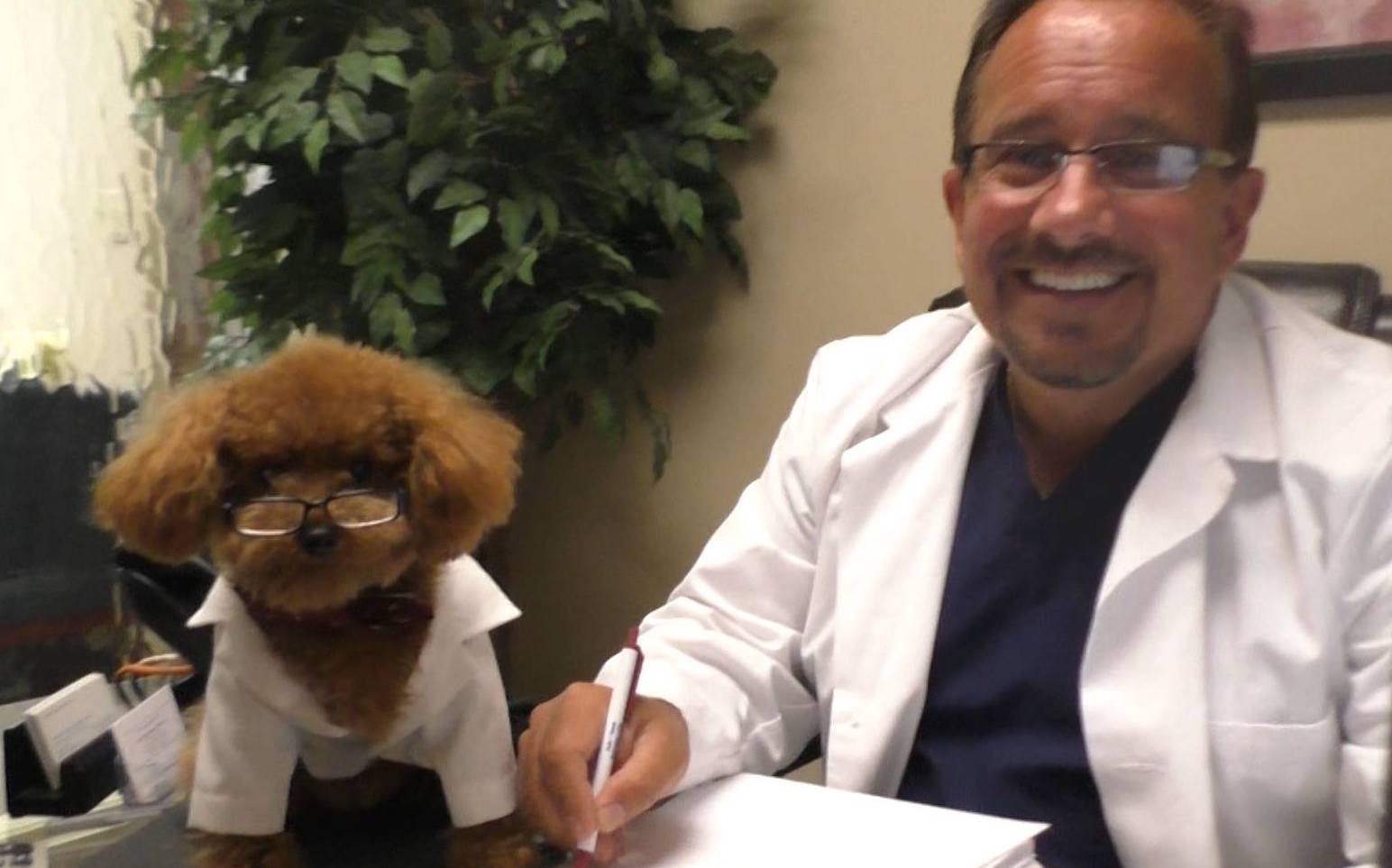
Dr. Kevin Mahoney is a board-certified dental anesthesiologist and has been providing the benefits of dental anesthesia, as well as other pain-free dentistry services, to his patients for decades. Those benefits include:

  • Relaxation and patient comfort
  • Effectiveness of dental procedures administered
  • Time-saving - several dental procedures during a single visit

If you are one of the many people in the United States with a dental phobia, Dr. Kevin Mahoney and his highly trained staff can help you have a comfortable dental visit, no matter how old you are.

"By striving to offer the highest quality dental care, I hope to motivate you to choose excellence and to enjoy the long-term benefits of that decision. Fear and anxiety is the number one reason people avoid necessary dental care. I am dedicated to the comfort of those who place their trust in me. Sleep dentistry is an affordable, safe way to better dental health. I am confident I can help you have a comfortable and enjoyable experience."

-Dr. Kevin Mahoney

Special Considerations, Special Care

Dr. Kevin Mahoney is the only dental anesthesiologist in the Erie area certified by the American Dental Association. Dental anesthesia is a safe, effective, and efficient way to administer high-quality, pain-free dental care to those who would avoid or refuse treatment altogether. Dr. Kevin Mahoney has extensive experience working with a wide variety of special needs patients, including:

  • Elderly adults with dementia
  • Uncooperative children
  • Those who can’t get numb from local anesthesia, such as Novocaine
  • Those with dental phobias

Everyone deserves quality dental care, but not everyone deserves the same approach. For many of us, a typical dental visit may not be enjoyable, but it is still tolerable. For others, even routine dental procedures bring an impossible mental or physical hurdle. For these patients, sleep dentistry may be the ideal solution.


Dental Anesthesiologist Erie, PA

Frequently Asked Questions

What is sleep dentistry?

There are many differences between general anesthesia and IV sedation that have a big impact on how the procedures are practiced in sleep dentistry. Many dental offices use the term sleep dentistry when actually talking about IV sedation. This can be confusing because “sleep dentistry” is more similar to and descriptive of general anesthesia.

When under general anesthesia, the certified anesthesiologist manages your breathing through a tube. General anesthesia affects the entire body rather than a localized, specific area. When recovering, patients slowly come out of a sedated state.

A few of the main components of general anesthesia include:

  • You are totally unconscious (asleep)
  • You will not feel pain
  • You will have little to no memory of the procedure

There are several other forms of dental sedation in addition to IV sedation and general anesthesia including oral sedation or the use of laughing gas (nitrous oxide). The dental staff and certified anesthesiologists of Sleep Dentistry will help you determine which procedure best fits your needs and desires.

How long will I be sedated with sleep dentistry?

The amount of time you are sedated depends on the amount of work that needs to be done. We are experts and will be able to approximate the right amount of time to get the most amount of work done, resulting in fewer appointments and less stress. The average timeframe to be sedated is between 1 and 6 hours, although that may vary.

Is sleep dentistry right for me?

Sleep Dentistry is especially perfect for people with dental phobias. The dental staff of Sleep Dentistry Erie has extensive experience in practicing safe dental anesthesia procedures on a wide range of patients.

Multiple factors are taken into consideration when determining if you would make a good candidate for sleep dentistry, such as your overall health, history of allergies, and your anxiety level.

Dental anesthesia works well for people who have:

  • Fear of the dentist
  • Difficulty getting numb
  • A bad gag reflex
  • Very sensitive teeth
  • A limited amount of time for treatment
  • Complex dental problems, including extractions and immediate dentures

Whether you're someone who has a disability that prevents you from receiving traditional dental treatment or you simply hate going to the dentist, our dental staff can help by providing relaxing dental anesthesia treatment.

Is sleep dentistry safe?

Yes, Dental Anesthesia is very safe as long as it's administered by a certified dental anesthesiologist. They are extensively trained in the outpatient setting to make your experience as pleasant as possible.

Are there any other dentists who perform sleep dentistry?

Currently, Dr. Kevin Mahoney is the only doctor to have an unrestricted general anesthesia permit in Erie, PA.

Will sleep dentistry cure my dental phobia?

Sleep Dentistry is not a cure for anxiety or dental phobia. It should be viewed more as a temporary solution. Although some people have reported lessened anxiety after completing a session, this may vary from person to person.

If you or someone you know has a special consideration preventing them from getting the quality dental care they need, schedule an appointment with Dr. Kevin Mahoney online or by calling (814) 833-3505.

Where To Find Us

Address: 3915 Caughey Rd, Erie, PA 16506

Recent Posts

Dental Restoration Types: Direct vs. Indirect

Posted on November 18th, 2020 at 9:53 AM
Dental Restoration Types: Direct vs. Indirect

What is dental restoration?

Your teeth can suffer structural loss for several reasons, whether it’s due to decay or external trauma. Whatever the case may be, direct and indirect dental restorations are treatments that restore the look and integrity of teeth. Both serve the same purpose but do so using different approaches.

Let's explore the different types of dental restorations at length.

Direct dental restorations (fillings)

Direct dental restorations involve stuffing the tooth with a soft filling, which sets and hardens, thereby restoring the teeth. Fillings are most commonly composed of silver amalgam or tooth-colored composite synthetic resin.

The advantage of this type of dental restoration is that it is not very time-consuming. It only takes one visit to the dentist to complete the whole process, and all of the work occurs within the mouth. Whether a filling is a viable restoration option depends on the severity of the tooth decay and its location.

smiling woman autumn

Indirect dental restoration

Indirect dental restorations usually require more than one visit to the dentist and are far more complex than direct dental restorations. The reason they are called “indirect” is that all or part of the restoration may be fabricated in a lab, rather than within the mouth itself.

During the initial visit, impressions are taken and your dentist may complete some initial site prep. Temporary dental restorations may be applied to ensure there are no further damages to the teeth as the more permanent solution is being worked on. Once the dental restoration is done, it is cemented in the patient's mouth using a bonding paste during a follow-up visit.

Thanks to technological advances, indirect restorations can sometimes be completed in a single visit through computer-aided drafting and 3D modeling applications.

Crowns

In situations where the loss of tooth structure is too extensive to be patched with a filling, crowns provide your teeth with a replacement “cap” that is a replica of its original size and shape. Crowns are fused to the intact tooth structure with a powerful bonding agent.

Bridges 

Bridges cover a gap created as a result of one or more missing teeth. They consist of one or more false teeth (pontics) supported by abutments in the form of existing teeth or dental implants.

Implants 

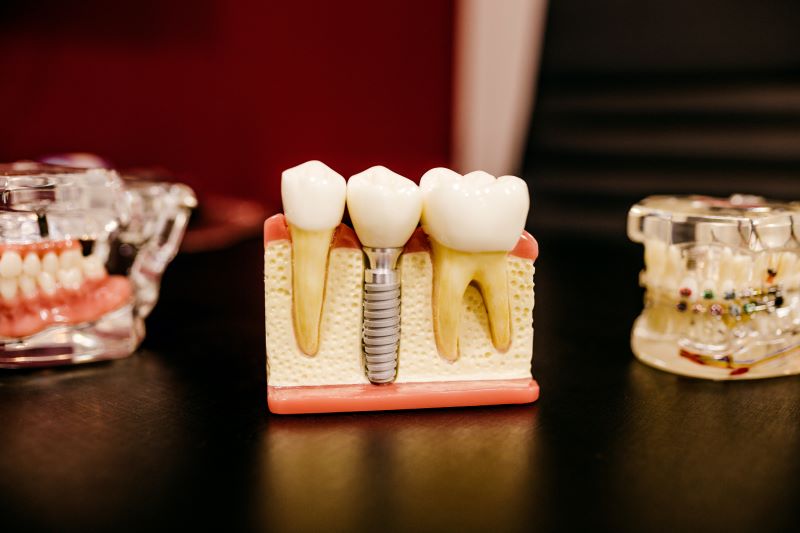
Dental implants are crowns anchored into the jaw bone with a titanium screw. They function essentially like brand-new teeth.

Dentures

Dentures are prosthetic devices and are a combination of acrylic resin and metal attachments. There are two types, complete and partial. An individual can use full dentures when all the teeth are missing. On the other hand, partial or half dentures are used when an individual has some of his natural teeth remaining. 
Which dental restoration type is suitable for me?

Direct restorations happen when the natural teeth of the patient are still healthy and strong enough to remain. However, to make filling possible, a dentist might scrape off some part of it to create room.

On the other hand, indirect restoration is necessary when external trauma or advanced decay has resulted in tooth loss. They involve a man-made dental solution to cover missing or damaged teeth.

In some cases, a patient may require a combination of both direct and indirect restoration treatments.

Preventive Dental Care with Sleep Dentistry Erie

If you haven't gone for a dental checkup for a while, now is the best time to do so! Regular checkups help detect conditions before they escalate, helping to reduce or eliminate the need for dental restorations in the first place. Play for keeps with Dr. Mahoney and his dedicated team of dental professionals! 

REQUEST AN APPOINTMENT