
Benefits of Sleep Dentistry

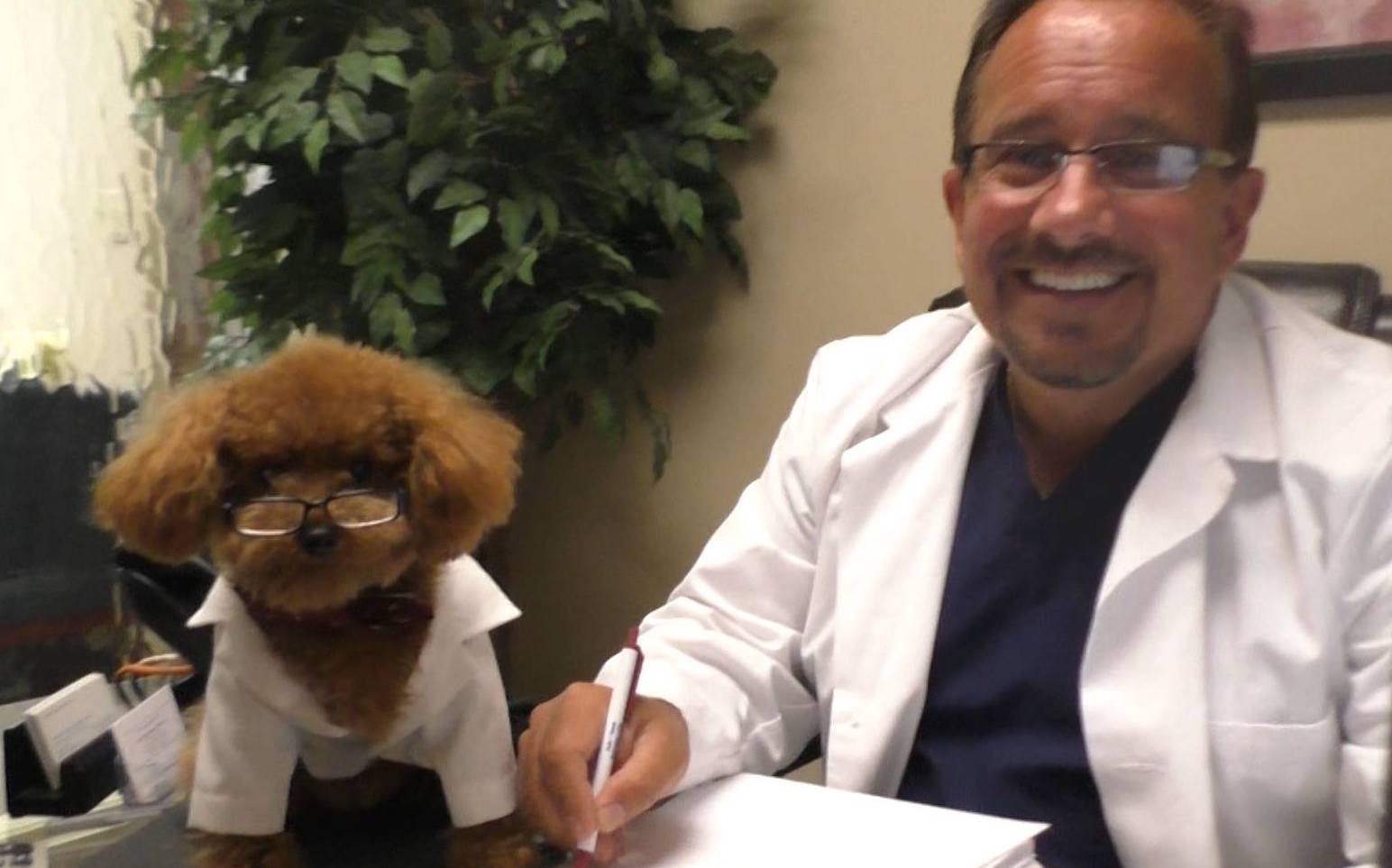
Dr. Kevin Mahoney is a board-certified dental anesthesiologist and has been providing the benefits of dental anesthesia, as well as other pain-free dentistry services, to his patients for decades. Those benefits include:

  • Relaxation and patient comfort
  • Effectiveness of dental procedures administered
  • Time-saving - several dental procedures during a single visit

If you are one of the many people in the United States with a dental phobia, Dr. Kevin Mahoney and his highly trained staff can help you have a comfortable dental visit, no matter how old you are.

"By striving to offer the highest quality dental care, I hope to motivate you to choose excellence and to enjoy the long-term benefits of that decision. Fear and anxiety is the number one reason people avoid necessary dental care. I am dedicated to the comfort of those who place their trust in me. Sleep dentistry is an affordable, safe way to better dental health. I am confident I can help you have a comfortable and enjoyable experience."

-Dr. Kevin Mahoney

Special Considerations, Special Care

Dr. Kevin Mahoney is the only dental anesthesiologist in the Erie area certified by the American Dental Association. Dental anesthesia is a safe, effective, and efficient way to administer high-quality, pain-free dental care to those who would avoid or refuse treatment altogether. Dr. Kevin Mahoney has extensive experience working with a wide variety of special needs patients, including:

  • Elderly adults with dementia
  • Uncooperative children
  • Those who can’t get numb from local anesthesia, such as Novocaine
  • Those with dental phobias

Everyone deserves quality dental care, but not everyone deserves the same approach. For many of us, a typical dental visit may not be enjoyable, but it is still tolerable. For others, even routine dental procedures bring an impossible mental or physical hurdle. For these patients, sleep dentistry may be the ideal solution.


Dental Anesthesiologist Erie, PA

Frequently Asked Questions

What is sleep dentistry?

There are many differences between general anesthesia and IV sedation that have a big impact on how the procedures are practiced in sleep dentistry. Many dental offices use the term sleep dentistry when actually talking about IV sedation. This can be confusing because “sleep dentistry” is more similar to and descriptive of general anesthesia.

When under general anesthesia, the certified anesthesiologist manages your breathing through a tube. General anesthesia affects the entire body rather than a localized, specific area. When recovering, patients slowly come out of a sedated state.

A few of the main components of general anesthesia include:

  • You are totally unconscious (asleep)
  • You will not feel pain
  • You will have little to no memory of the procedure

There are several other forms of dental sedation in addition to IV sedation and general anesthesia including oral sedation or the use of laughing gas (nitrous oxide). The dental staff and certified anesthesiologists of Sleep Dentistry will help you determine which procedure best fits your needs and desires.

How long will I be sedated with sleep dentistry?

The amount of time you are sedated depends on the amount of work that needs to be done. We are experts and will be able to approximate the right amount of time to get the most amount of work done, resulting in fewer appointments and less stress. The average timeframe to be sedated is between 1 and 6 hours, although that may vary.

Is sleep dentistry right for me?

Sleep Dentistry is especially perfect for people with dental phobias. The dental staff of Sleep Dentistry Erie has extensive experience in practicing safe dental anesthesia procedures on a wide range of patients.

Multiple factors are taken into consideration when determining if you would make a good candidate for sleep dentistry, such as your overall health, history of allergies, and your anxiety level.

Dental anesthesia works well for people who have:

  • Fear of the dentist
  • Difficulty getting numb
  • A bad gag reflex
  • Very sensitive teeth
  • A limited amount of time for treatment
  • Complex dental problems, including extractions and immediate dentures

Whether you're someone who has a disability that prevents you from receiving traditional dental treatment or you simply hate going to the dentist, our dental staff can help by providing relaxing dental anesthesia treatment.

Is sleep dentistry safe?

Yes, Dental Anesthesia is very safe as long as it's administered by a certified dental anesthesiologist. They are extensively trained in the outpatient setting to make your experience as pleasant as possible.

Are there any other dentists who perform sleep dentistry?

Currently, Dr. Kevin Mahoney is the only doctor to have an unrestricted general anesthesia permit in Erie, PA.

Will sleep dentistry cure my dental phobia?

Sleep Dentistry is not a cure for anxiety or dental phobia. It should be viewed more as a temporary solution. Although some people have reported lessened anxiety after completing a session, this may vary from person to person.

If you or someone you know has a special consideration preventing them from getting the quality dental care they need, schedule an appointment with Dr. Kevin Mahoney online or by calling (814) 833-3505.

Where To Find Us

Address: 3915 Caughey Rd, Erie, PA 16506

Recent Posts

Dental X-Rays: Why Are They Important

Posted on August 22nd, 2022 at 8:32 AM
Dental X-Rays: Why Are They Important

What is a Dental X-Ray?

The phrase dental x-ray describes a medical procedure where an oral health professional uses a device to scan the bone structure of a patient’s mouth.  They accomplish this one of two ways, either extraoral or intraoral. The former makes use of an x-ray machine situated outside of the patient’s mouth. If intraoral, a device is operated from inside the mouth.

After an x-ray is taken, the image is scanned to ensure that the bone structure is normal and healthy. In other cases, dental x-rays help identify a range of problems from fractured teeth to gum disease. Once a doctor is made aware of a particular issue, they can begin the treatment process.

Over time, dental x-rays also provide a history of the patient’s bone structure which helps monitor patient health through the years.

Patients have the option of visiting the dentist only for x-rays, but most undergo the procedure along with a routine check-up. The difference: routine check-ups happen every 6 months, while dental x-rays typically occur once a year.

In most cases, intraoral dental x-rays cost between $25-$300, depending on the number of x-rays and type. Regarding extraoral dental x-rays, the range is between $100-$750. Most insurances cover routine dental x-rays and check-ups.

Who Benefits from Dental X-Rays?

While everyone can benefit from dental x-rays, those who benefit most will naturally be people who more often engage their mouths besides talking and eating. Athletes are one example because they engage in activities that could potentially break bones, including the bones in their mouths. Other examples include police officers who engage in physical altercations and stunt actors. Added risk means a greater chance of damage.

Another group that benefits from dental x-rays is older adults and people who received dental work in the past. Anyone with past dental complications is more likely to face future problems. The dental x-ray helps the patient and doctor check the condition of prior solutions such as fillings and crowns.

Even if you have not received dental work in the past, dental x-rays are still crucial. All that’s needed is for one issue to go undetected for your health to pay the cost.

Though most patients receive an x-ray once a year, the frequency should depend on whether or not you fall into a higher-risk category.

Types of Dental X-Rays

Of the several types of dental-x rays performed across the country, most are intraoral. Here are four types of intraoral dental x-rays.

Panoramic

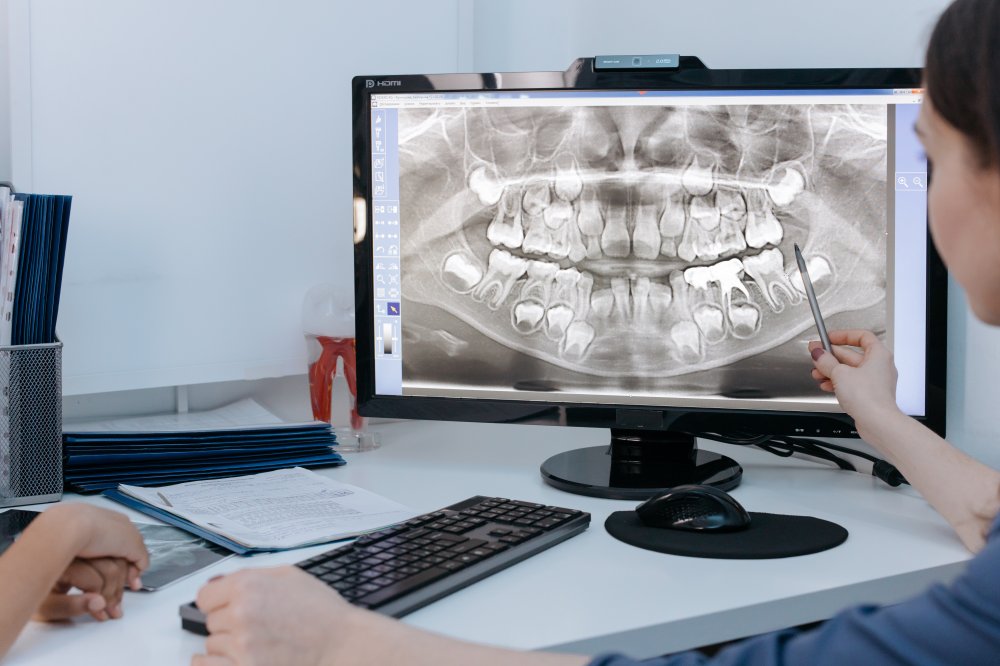
Panoramic (full-view) dental x-rays show the entire structure of a patient’s mouth in one image.

Bitewing

Bitewing dental x-rays earn their name because the dentist inserts a piece into the patient’s mouth on which they bite down. This type of x-ray only reveals a specific location but helps with finding issues between teeth. Often, the professional will have the patient bite down in multiple different areas for varying images.

Occlusal

The occlusal x-rays are used to track the development of an entire section of teeth on either the lower or upper jaw. These help with spotting impacted teeth, tumors, and other abnormalities.

Periapical

A periapical x-ray is used for studying a single tooth, from the surface down to the root.

Benefits of Dental X-Rays

Here are 3 immediate benefits of dental x-rays.

Identify health concerns

The more you know about what’s going on inside your mouth, the better your decision-making when planning your occupation, what toothpaste you use, mouthwash, and more. The more you’re aware of your health, the more peace of mind you’ll ultimately get.

Tracking wisdom teeth

Dental x-rays help track past dental work that has been performed but are also great for planning future dental work. Most people will develop wisdom teeth and dental x-rays help patients track the tooth’s development process.

Informs health professionals

In addition to the health decisions you make for yourself, most people also rely on guidance from their dentist. The more they know about the well-being of your teeth, the better their guidance. Sometimes dentists recommend different techniques or products depending on your health.

Do Dental X-Rays Show Cancers?

Dental x-rays can be used to identify cancers because the x-rays reveal growths and abnormal developments within the mouth.

Are Dental X-Rays Safe?

Dental x-rays are largely safe, but there is an inherent risk in the procedure. The x-ray would be impossible without some degree of radiation being used for scanning. However, there are federal and state restrictions in place to limit radiation exposure, and dental offices also use lead-lined gowns on patients for protection.

Contraindications to Dental X-Rays

  • Pregnancy

We know that visiting the dentist is not on everyone’s bucket list, but we here at Sleep Dentistry value the oral health of you and your family. Take a chance with us today and find out more about our services.

Schedule an Appointment