


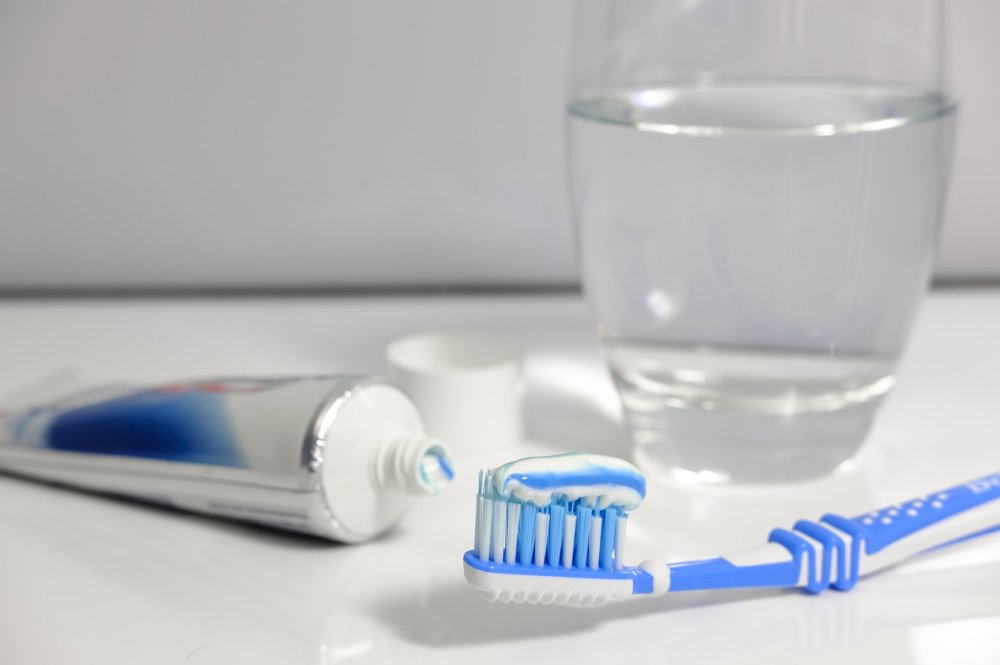
Fluorides are one of the most potent and versatile ingredients available to fight cavities. Many people rely on dental fluoride treatments for their oral health, but not as many know where it comes from, or what makes it so effective. What about how dental fluoride is applied, or what forms it comes in — for example, stannous fluoride vs sodium fluoride? And do you need to be concerned about the safety of dental fluoride treatments? Let’s answer all of that and more. Here’s what you need to know when discussing dental fluoride treatments.
What is fluoride?
Fluoride is a naturally occurring mineral, which can be found in water, soil, food, and even the air. This mineral can also be found within the bones and teeth of the human body. In modern-day, fluoride is often utilized in dental products like toothpaste or mouth rinses to prevent tooth decay and in drinking water supplies for the same reason — a process known as water fluoridation.
After discoveries in the early 20th century linking dental caries to drinking water, efforts were made to intentionally add fluoride to the water supply and alleviate health risks. According to the Centers for Disease Control and Prevention, the result was a decrease in tooth decay across the board for all age groups in the latter half of the century. Research determined that the optimum amount of fluoride in water is between 0.7-1.2 parts per million (ppm).
Since that time, fluoride has become a staple in oral care products from toothpaste to mouth rinses and other dental supplements.
How dental fluoride works
Bacteria in the human mouth produce acid that over time destroys the protective enamel surrounding the teeth. This process is known as demineralization, which leads to tooth decay and eventually tooth loss. Dental fluoride acts as an agent of remineralization, helping rebuild and strengthen the enamel, even preventing harmful bacteria from forming in the first place.
The effectiveness of dental fluoride has been measured by innumerable studies since the 20th century and is evidenced also by its inclusion in many dental products today.
Types of dental fluorides
There are several different types of dental fluoride, two of which are common ingredients in modern toothpaste - sodium fluoride and stannous fluoride. Between the two, determining which is better is difficult. Stannous fluoride has the added microbial benefit of tackling gingivitis and plaque, but with proper brushing techniques and regular flossing, sodium fluoride can achieve the same.
Furthermore, one major drawback with stannous fluoride is the potential for staining of the teeth, which at times can be impossible to remove. You can identify which ingredients are active in your toothpaste by reading the label.
Another type of fluoride, silver diamine fluoride, is a type of fluid sometimes used by dentists when caring for young children or special needs people. This fluoride treatment is also used to help prevent cavities. Patients undergo this treatment when conventional methods are ineffective. Dentists start the process by drying the targeted tooth area with cotton balls and a vacuum, then applying the fluoride with a micro brush. Next, the tooth is air-dried. Dentists complete this process through delicate curing to ensure the silver diamine fluoride reaches deep within the affected tooth.
Oral care products containing fluoride
There are countless oral care products containing fluoride: toothpaste, floss, rinses, gels, dental varnishes, and more. Dental fluoride varnish in particular contains higher concentrations of fluoride. Users coat the targeted teeth in fluoride for hours as the mineral sinks into the teeth and serves to strengthen the enamel. This product is available on the market for consumption by anyone, but insurance companies typically only cover it as a preventative dental care treatment for children.
An alternative to dental fluoride varnish is dental sealants, working for up to nine years, though they are much more permanent than the former.
When comparing at-home treatments vs in-office treatments, consider what works not just best for your budget, but also for your health. People at greater risk of tooth decay will benefit the most from oral health products that build up the enamel. Finding products that offer fluoride will be easy, but adhering to not over-consuming fluoride is just as important. Likewise, when strengthening oral health, take note of unhelpful habits such as eating food that is high in sugar or carbohydrates, which add to the potential for bacterial development.
Though there are options to try at home, if your oral health is at risk, don’t hesitate to reach out to a professional!
Is dental fluoride safe?
Dental fluoride is undoubtedly safe, but there are risks associated with the mineral when consumed in larger than recommended quantities. This applies to fluoride added to drinking water and oral healthcare products. Potential side effects of dental fluoride include skeletal fluorosis and dental fluorosis.
Skeletal fluorosis consists of altered bone structure, joint stiffness, and related pain, resulting from excess fluoride in a water supply. In rare occurrences, swallowing too much fluoride toothpaste can have the same effect. People of any age can be affected by this.
The single symptom of dental fluorosis is white spots that form on teeth that are still under development. This is a result of too much fluoride toothpaste, while teeth are still erupting in the mouth, meaning this impacts children exclusively.
Aside from what is known, there is speculation about other health risks that still warrant further study: kidney disease, bone cancer, and arthritis. Keep in mind that swallowing toothpaste poses a greater risk than drinking fluoridated water because of the difference in fluoride levels. The easiest way to prevent children (and adults) from swallowing toothpaste is to instruct them on proper brushing techniques — try to not swallow in large amounts, but strive not to swallow at all.
Professional dental cleanings with Dr. Kevin Mahoney
Now that you know more about dental fluoride, consider if now’s the right time for your next treatment. Sleep Dentistry’s very own Dr. Kevin Mahoney provides both comfortable and thorough teeth cleaning for patients of all ages. Schedule your next appointment today!