
Benefits of Sleep Dentistry

Dr. Kevin Mahoney is a board-certified dental anesthesiologist and has been providing the benefits of dental anesthesia, as well as other pain-free dentistry services, to his patients for decades. Those benefits include:

  • Relaxation and patient comfort
  • Effectiveness of dental procedures administered
  • Time-saving - several dental procedures during a single visit

If you are one of the many people in the United States with a dental phobia, Dr. Kevin Mahoney and his highly trained staff can help you have a comfortable dental visit, no matter how old you are.

"By striving to offer the highest quality dental care, I hope to motivate you to choose excellence and to enjoy the long-term benefits of that decision. Fear and anxiety is the number one reason people avoid necessary dental care. I am dedicated to the comfort of those who place their trust in me. Sleep dentistry is an affordable, safe way to better dental health. I am confident I can help you have a comfortable and enjoyable experience."

-Dr. Kevin Mahoney

Special Considerations, Special Care

Dr. Kevin Mahoney is the only dental anesthesiologist in the Erie area certified by the American Dental Association. Dental anesthesia is a safe, effective, and efficient way to administer high-quality, pain-free dental care to those who would avoid or refuse treatment altogether. Dr. Kevin Mahoney has extensive experience working with a wide variety of special needs patients, including:

  • Elderly adults with dementia
  • Uncooperative children
  • Those who can’t get numb from local anesthesia, such as Novocaine
  • Those with dental phobias

Everyone deserves quality dental care, but not everyone deserves the same approach. For many of us, a typical dental visit may not be enjoyable, but it is still tolerable. For others, even routine dental procedures bring an impossible mental or physical hurdle. For these patients, sleep dentistry may be the ideal solution.


Dental Anesthesiologist Erie, PA

Frequently Asked Questions

What is sleep dentistry?

There are many differences between general anesthesia and IV sedation that have a big impact on how the procedures are practiced in sleep dentistry. Many dental offices use the term sleep dentistry when actually talking about IV sedation. This can be confusing because “sleep dentistry” is more similar to and descriptive of general anesthesia.

When under general anesthesia, the certified anesthesiologist manages your breathing through a tube. General anesthesia affects the entire body rather than a localized, specific area. When recovering, patients slowly come out of a sedated state.

A few of the main components of general anesthesia include:

  • You are totally unconscious (asleep)
  • You will not feel pain
  • You will have little to no memory of the procedure

There are several other forms of dental sedation in addition to IV sedation and general anesthesia including oral sedation or the use of laughing gas (nitrous oxide). The dental staff and certified anesthesiologists of Sleep Dentistry will help you determine which procedure best fits your needs and desires.

How long will I be sedated with sleep dentistry?

The amount of time you are sedated depends on the amount of work that needs to be done. We are experts and will be able to approximate the right amount of time to get the most amount of work done, resulting in fewer appointments and less stress. The average timeframe to be sedated is between 1 and 6 hours, although that may vary.

Is sleep dentistry right for me?

Sleep Dentistry is especially perfect for people with dental phobias. The dental staff of Sleep Dentistry Erie has extensive experience in practicing safe dental anesthesia procedures on a wide range of patients.

Multiple factors are taken into consideration when determining if you would make a good candidate for sleep dentistry, such as your overall health, history of allergies, and your anxiety level.

Dental anesthesia works well for people who have:

  • Fear of the dentist
  • Difficulty getting numb
  • A bad gag reflex
  • Very sensitive teeth
  • A limited amount of time for treatment
  • Complex dental problems, including extractions and immediate dentures

Whether you're someone who has a disability that prevents you from receiving traditional dental treatment or you simply hate going to the dentist, our dental staff can help by providing relaxing dental anesthesia treatment.

Is sleep dentistry safe?

Yes, Dental Anesthesia is very safe as long as it's administered by a certified dental anesthesiologist. They are extensively trained in the outpatient setting to make your experience as pleasant as possible.

Are there any other dentists who perform sleep dentistry?

Currently, Dr. Kevin Mahoney is the only doctor to have an unrestricted general anesthesia permit in Erie, PA.

Will sleep dentistry cure my dental phobia?

Sleep Dentistry is not a cure for anxiety or dental phobia. It should be viewed more as a temporary solution. Although some people have reported lessened anxiety after completing a session, this may vary from person to person.

If you or someone you know has a special consideration preventing them from getting the quality dental care they need, schedule an appointment with Dr. Kevin Mahoney online or by calling (814) 833-3505.

Where To Find Us

Address: 3915 Caughey Rd, Erie, PA 16506

Recent Posts

Helpful Tips for Teaching Your Kids How to Brush

Posted on October 20th, 2022 at 11:32 AM
Helpful Tips for Teaching Your Kids How to Brush

As a kid, brushing your teeth might sometimes feel like a chore, but one thing’s for certain — establishing good oral hygiene starts early. And it begins with learning tooth brushing fundamentals. Rest assured, there is a way to make dental hygiene for kids fun. 

If you’re ready to take that next step, then here’s all you need to know about how to brush your teeth for kids.

When Should Kids Start Brushing Their Teeth?

The consensus among dentists is that when teeth first appear, tooth brushing should begin. Teething usually occurs between six months and your child’s first birthday. Most people get their permanent teeth, including their wisdom teeth, by age 21 (this is the age range pediatric dentists are specifically trained to work with). 

Early on, your child is still learning hand-eye coordination, essential for tooth brushing. As a parent, your job is to start the brushing process for your child as soon as the first teeth erupt. And once teeth emerge side by side, that’s also when flossing begins. 

Once your child’s hand-eye coordination is more developed, they can be entrusted with brushing their teeth on their own. For most children, this switch will occur between ages six and eight.

Of course, when you first start having them brush, you should supervise. Without your help, many children will opt for a quick 30-second cleaning instead of being thorough. Likewise, rather than using the proper technique, they may scrub incorrectly, or in some other fashion that injures themselves.

Only after your child has demonstrated that they can brush their teeth with minimal corrections, and have reached a suitable age, namely nine at the latest, should you move toward ending supervision. 

Areas of correction to look for include: brushing technique, brushing efficacy, and swallowing toothpaste or mouthwash. An end to supervision will not only build trust in your parent-child relationship but also will give them a chance to be independent, something that they will need to grow into a healthy adult.

How Long Should Kids Brush Their Teeth?

The standard brushing time is the same for everyone across the board, children and adults alike — two minutes. And that’s just a minimum! The American Dental Association also recommends brushing twice a day, once in the morning, and once at night. For best protection, however, everyone should brush 20 minutes after each meal.

If your kid is just a baby, you can wait to start brushing until the teeth emerge. In the meantime, you can clean their gums with a soft wet cloth or a finger brush.

Brushing Kids’ Teeth Properly

When brushing your children’s teeth and as they brush their own, here are a few things to keep in mind during your two-minute time frame:

  • Practice circular brushing technique (circular motions, not up and down)
  • Go over every surface of the teeth
  • Brush gently
  • Spread time evenly between teeth
  • Don’t forget to floss

Failing to brush correctly could result in several ailments including the following:

  • Exposed and sensitive roots
  • Cavities
  • Gingivitis
  • Receding gums

How to Get Kids to Brush Their Teeth

Without the right approach, your kid is going to view tooth brushing as a chore and will act accordingly. They will either “forget” or do a poor job when they are in the bathroom. 

Here are some simple and kid-friendly ideas to add more enjoyment to the experience.

Set a good example

We are all creatures of habit. If you want your kid to develop good habits, be consistent in when, how, and how often you brush your teeth. Have them watch you and learn from your example.

Teach them the steps

Aside from having your child observe your hygiene, talk to them in simple kid-friendly terms about what you’re doing. Give them a step-by-step explanation of the process and why keeping your mouth clean is important.

Choosing a toothbrush

Choosing a toothbrush adds a lot of fun to the process. Plan to have your child choose their own once the time comes to replace it if they have consistently demonstrated good hygiene. 

Make toothbrushing a routine

Children are more likely to brush when they form good habits. Set a specific time for them to brush in the morning and at night.

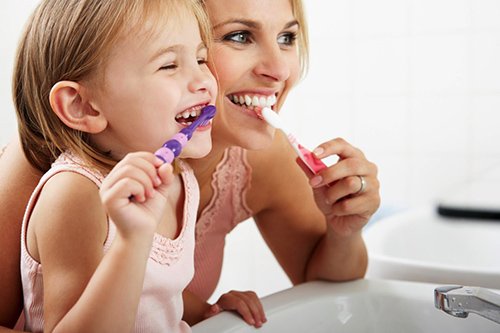
Brush your teeth together

Family bonding time can also include you and your kid brushing your teeth together.

Have a non-dental reward

Children appreciate being rewarded for good behavior. If your child reaches a milestone for excellent toothbrushing, make a plan to take them somewhere special and memorable, somewhere that would encourage more of the good behavior that keeps them healthy and happy.

Pediatric Dental Care with Dr. Mahoney

How to brush your teeth is an important lesson for kids to learn and an essential everyday part of oral hygiene. But to ensure that the mouth is developing properly and healthily, it must be supplemented with regular dental checkups and cleanings. Dr. Kevin Mahoney, along with his assistants Dogtors Gizmo and Gadget make pediatric dental care unintimidating and fun while working toward their best smiles.

REQUEST AN APPOINTMENT