Benefits of Sleep Dentistry

Dr. Kevin Mahoney is a board-certified dental anesthesiologist and has been providing the benefits of dental anesthesia, as well as other pain-free dentistry services, to his patients for decades. Those benefits include:

  • Relaxation and patient comfort
  • Effectiveness of dental procedures administered
  • Time-saving - several dental procedures during a single visit

If you are one of the many people in the United States with a dental phobia, Dr. Kevin Mahoney and his highly trained staff can help you have a comfortable dental visit, no matter how old you are.

"By striving to offer the highest quality dental care, I hope to motivate you to choose excellence and to enjoy the long-term benefits of that decision. Fear and anxiety is the number one reason people avoid necessary dental care. I am dedicated to the comfort of those who place their trust in me. Sleep dentistry is an affordable, safe way to better dental health. I am confident I can help you have a comfortable and enjoyable experience."

-Dr. Kevin Mahoney

Special Considerations, Special Care

Dr. Kevin Mahoney is the only dental anesthesiologist in the Erie area certified by the American Dental Association. Dental anesthesia is a safe, effective, and efficient way to administer high-quality, pain-free dental care to those who would avoid or refuse treatment altogether. Dr. Kevin Mahoney has extensive experience working with a wide variety of special needs patients, including:

  • Elderly adults with dementia
  • Uncooperative children
  • Those who can’t get numb from local anesthesia, such as Novocaine
  • Those with dental phobias

Everyone deserves quality dental care, but not everyone deserves the same approach. For many of us, a typical dental visit may not be enjoyable, but it is still tolerable. For others, even routine dental procedures bring an impossible mental or physical hurdle. For these patients, sleep dentistry may be the ideal solution.


Dental Anesthesiologist Erie, PA

Frequently Asked Questions

What is sleep dentistry?

There are many differences between general anesthesia and IV sedation that have a big impact on how the procedures are practiced in sleep dentistry. Many dental offices use the term sleep dentistry when actually talking about IV sedation. This can be confusing because “sleep dentistry” is more similar to and descriptive of general anesthesia.

When under general anesthesia, the certified anesthesiologist manages your breathing through a tube. General anesthesia affects the entire body rather than a localized, specific area. When recovering, patients slowly come out of a sedated state.

A few of the main components of general anesthesia include:

  • You are totally unconscious (asleep)
  • You will not feel pain
  • You will have little to no memory of the procedure

There are several other forms of dental sedation in addition to IV sedation and general anesthesia including oral sedation or the use of laughing gas (nitrous oxide). The dental staff and certified anesthesiologists of Sleep Dentistry will help you determine which procedure best fits your needs and desires.

How long will I be sedated with sleep dentistry?

The amount of time you are sedated depends on the amount of work that needs to be done. We are experts and will be able to approximate the right amount of time to get the most amount of work done, resulting in fewer appointments and less stress. The average timeframe to be sedated is between 1 and 6 hours, although that may vary.

Is sleep dentistry right for me?

Sleep Dentistry is especially perfect for people with dental phobias. The dental staff of Sleep Dentistry Erie has extensive experience in practicing safe dental anesthesia procedures on a wide range of patients.

Multiple factors are taken into consideration when determining if you would make a good candidate for sleep dentistry, such as your overall health, history of allergies, and your anxiety level.

Dental anesthesia works well for people who have:

  • Fear of the dentist
  • Difficulty getting numb
  • A bad gag reflex
  • Very sensitive teeth
  • A limited amount of time for treatment
  • Complex dental problems, including extractions and immediate dentures

Whether you're someone who has a disability that prevents you from receiving traditional dental treatment or you simply hate going to the dentist, our dental staff can help by providing relaxing dental anesthesia treatment.

Is sleep dentistry safe?

Yes, Dental Anesthesia is very safe as long as it's administered by a certified dental anesthesiologist. They are extensively trained in the outpatient setting to make your experience as pleasant as possible.

Are there any other dentists who perform sleep dentistry?

Currently, Dr. Kevin Mahoney is the only doctor to have an unrestricted general anesthesia permit in Erie, PA.

Will sleep dentistry cure my dental phobia?

Sleep Dentistry is not a cure for anxiety or dental phobia. It should be viewed more as a temporary solution. Although some people have reported lessened anxiety after completing a session, this may vary from person to person.

If you or someone you know has a special consideration preventing them from getting the quality dental care they need, schedule an appointment with Dr. Kevin Mahoney online or by calling (814) 833-3505.

Where To Find Us

Address: 3915 Caughey Rd, Erie, PA 16506

Recent Posts

How to Protect a Winning Smile: A Guide to Sports Mouthguards

Posted on August 15th, 2023 at 10:29 AM
How to Protect a Winning Smile: A Guide to Sports Mouthguards

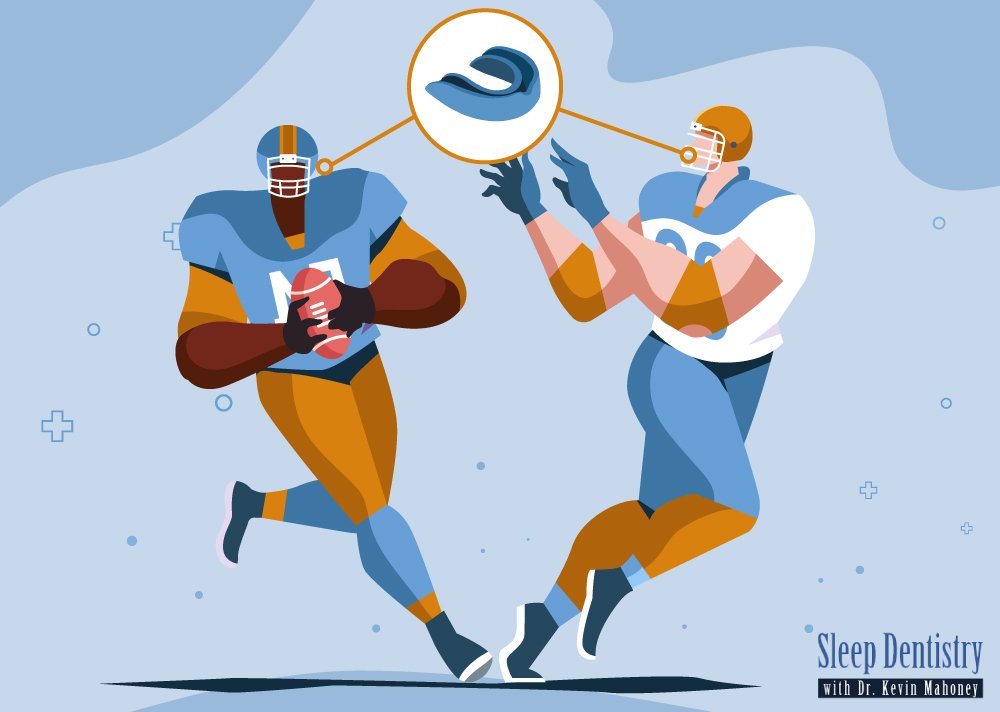
According to the American Dental Assistants’ Association, about 15 million Americans suffer a sports-related dental injury each year. With such a high number, the message is clear: whether you play football, soccer, basketball, or lacrosse, your teeth are in danger while you’re on the field. That’s why it's crucial that every athlete—from trained professionals to students starting out on their school team—has access to a durable sports mouthguard. 

Do You Really Need a Mouthguard for Sports?

According to most dental experts? Yes. 

Mouthguards are crucial for protecting your teeth during sports. They’re most important for sports where collisions and physical contact are expected, such as football, hockey, and boxing. Without a mouthguard, it only takes one strong impact to chip, crack, or knock out a tooth — or several, if you’re unlucky. 

Mouthguards are good for more than just protecting your teeth. Because teeth are so hard, a heavy impact can cause them to cut into the inner cheeks and tongue. A mouthguard keeps your teeth covered, which stops this from occurring. They also help to lessen the chance of a broken jaw. A sturdy mouthguard can even prevent concussions by absorbing shock while limiting your jaw’s movement (although no mouthguard can replace a helmet!)

Types of Sports Mouthguards

While all dental sports guards have the same basic design, there are three different types, each with varying levels of effectiveness: 

Stock Mouthguards

Stock mouthguards are available at most sporting goods stores. These mass-produced mouthguards come in limited sizes and typically offer the least amount of mouth protection. They are, however, very easy to obtain and inexpensive to replace. Stock mouthguards aren’t recommended by most dentists, but are better than nothing in a pinch. 

Mouth-Formed Mouthguards

Mouth-formed mouthguards, also referred to as “boil-and-bite” mouthguards, are the most commonly used type. This name comes from the fact that they’re boiled before being placed in the mouth. The material softens in the water and hardens as it cools, allowing you to mold the guard to the shape of your mouth. While better than stock mouthguards, they still need to be a certain thickness for them to be useful, and they often leave the back teeth exposed. 

Custom Mouthguards

Unlike the other mouthguard types, you can’t buy a custom mouthguard in a store. Instead, they’re custom-made by a dentist to fit your mouth and activity level. While expensive, they provide the best coverage while also being the most comfortable and unrestrictive. 

Choosing and Using Your Mouthguard

1. Choose Your Mouthguard

First, you’ll need to choose your mouthguard. Remember that stock mouthguards aren’t recommended by dental professionals; they should only be your choice if your other option is no mouth protector at all. 

2. Prepare the Mouthguard as Necessary

Next, you’ll need to prepare your mouthguard. This step is mostly for “boil-and-bite” mouthguards, which need to be boiled until soft and set in the mouth before they can be used. 

3. Clean Your Mouthguard

While this is more applicable for a mouthguard you’ve already used, it’s still good to make sure anything you’ll be keeping in your mouth is as clean as possible. Rinse your mouthguard out with warm, soapy water, then rinse with clean water to make sure there’s no soap remaining. 

4. Clean Your Teeth

Your mouthguard isn’t the only thing that should be cleaned. Any bacteria or food particles on your teeth will be trapped by the mouthguard while it’s used. To minimize this problem, brush and floss beforehand.

5. Insert Mouthguard

Once your mouth is clean and your mouthguard is prepared, simply insert it into your mouth and bite along the grooves as necessary to keep it in place. 

6. Replace Mouthguard as Necessary

Even custom mouthguards aren’t meant to be used forever. Over time, mouthguards will deform, crack, and eventually begin to break down. If your child is using a mouthguard while still growing, they’ll need to replace it frequently in order to keep up with the changing size and shape of their mouth. A dentist can tell you when a mouthguard needs to be replaced, so if you aren’t sure, bring it to your next dental appointment. 

Dental Emergencies in the Arena

If you aren’t wearing a sports mouthguard, or if the one you’re wearing is ill-fitting, it’s possible to sustain a serious sports-related dental injury. If you or your child cracks or loses a tooth during a game, don’t panic. Stop any bleeding with gauze and get to the nearest dental clinic that offers emergency dental care. If the injury is more severe, such as a broken jaw or concussion, then go to the emergency room. 

Tooth Restoration with Sleep Dentistry

Even with proper mouth protection, accidents can happen—and if you’ve suffered a sports-related dental injury, you’ve likely experienced enough pain already. With Dr. Kevin Mahoney and Sleep Dentistry, you can sleep through your tooth repairs—as well as any other dental procedures you need performed—completely pain-free. Schedule your appointment today and help your smile return to its glory days. 

SCHEDULE AN APPOINTMENT