Benefits of Sleep Dentistry

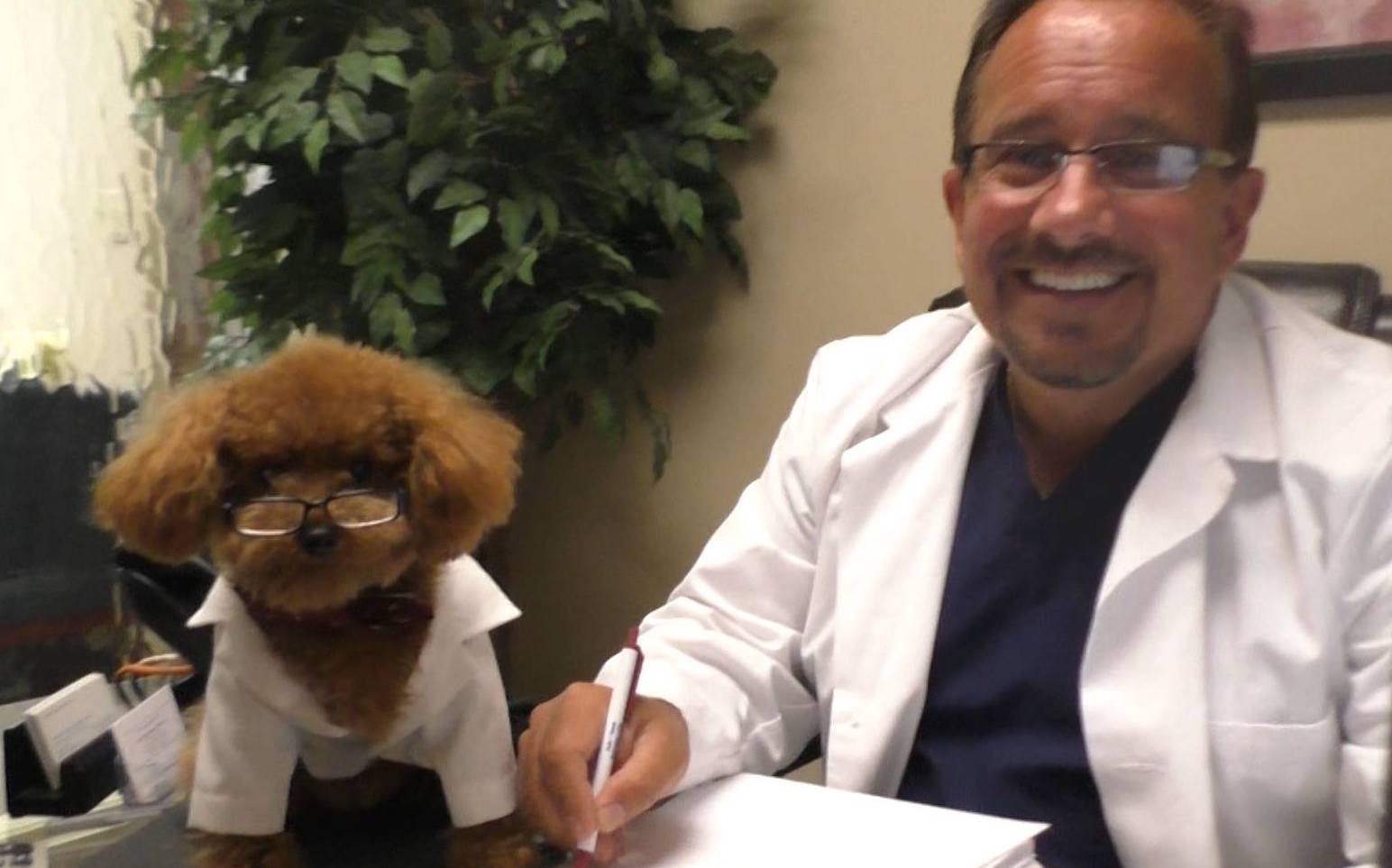
Dr. Kevin Mahoney is a board-certified dental anesthesiologist and has been providing the benefits of dental anesthesia, as well as other pain-free dentistry services, to his patients for decades. Those benefits include:

  • Relaxation and patient comfort
  • Effectiveness of dental procedures administered
  • Time-saving - several dental procedures during a single visit

If you are one of the many people in the United States with a dental phobia, Dr. Kevin Mahoney and his highly trained staff can help you have a comfortable dental visit, no matter how old you are.

"By striving to offer the highest quality dental care, I hope to motivate you to choose excellence and to enjoy the long-term benefits of that decision. Fear and anxiety is the number one reason people avoid necessary dental care. I am dedicated to the comfort of those who place their trust in me. Sleep dentistry is an affordable, safe way to better dental health. I am confident I can help you have a comfortable and enjoyable experience."

-Dr. Kevin Mahoney

Special Considerations, Special Care

Dr. Kevin Mahoney is the only dental anesthesiologist in the Erie area certified by the American Dental Association. Dental anesthesia is a safe, effective, and efficient way to administer high-quality, pain-free dental care to those who would avoid or refuse treatment altogether. Dr. Kevin Mahoney has extensive experience working with a wide variety of special needs patients, including:

  • Elderly adults with dementia
  • Uncooperative children
  • Those who can’t get numb from local anesthesia, such as Novocaine
  • Those with dental phobias

Everyone deserves quality dental care, but not everyone deserves the same approach. For many of us, a typical dental visit may not be enjoyable, but it is still tolerable. For others, even routine dental procedures bring an impossible mental or physical hurdle. For these patients, sleep dentistry may be the ideal solution.


Dental Anesthesiologist Erie, PA

Frequently Asked Questions

What is sleep dentistry?

There are many differences between general anesthesia and IV sedation that have a big impact on how the procedures are practiced in sleep dentistry. Many dental offices use the term sleep dentistry when actually talking about IV sedation. This can be confusing because “sleep dentistry” is more similar to and descriptive of general anesthesia.

When under general anesthesia, the certified anesthesiologist manages your breathing through a tube. General anesthesia affects the entire body rather than a localized, specific area. When recovering, patients slowly come out of a sedated state.

A few of the main components of general anesthesia include:

  • You are totally unconscious (asleep)
  • You will not feel pain
  • You will have little to no memory of the procedure

There are several other forms of dental sedation in addition to IV sedation and general anesthesia including oral sedation or the use of laughing gas (nitrous oxide). The dental staff and certified anesthesiologists of Sleep Dentistry will help you determine which procedure best fits your needs and desires.

How long will I be sedated with sleep dentistry?

The amount of time you are sedated depends on the amount of work that needs to be done. We are experts and will be able to approximate the right amount of time to get the most amount of work done, resulting in fewer appointments and less stress. The average timeframe to be sedated is between 1 and 6 hours, although that may vary.

Is sleep dentistry right for me?

Sleep Dentistry is especially perfect for people with dental phobias. The dental staff of Sleep Dentistry Erie has extensive experience in practicing safe dental anesthesia procedures on a wide range of patients.

Multiple factors are taken into consideration when determining if you would make a good candidate for sleep dentistry, such as your overall health, history of allergies, and your anxiety level.

Dental anesthesia works well for people who have:

  • Fear of the dentist
  • Difficulty getting numb
  • A bad gag reflex
  • Very sensitive teeth
  • A limited amount of time for treatment
  • Complex dental problems, including extractions and immediate dentures

Whether you're someone who has a disability that prevents you from receiving traditional dental treatment or you simply hate going to the dentist, our dental staff can help by providing relaxing dental anesthesia treatment.

Is sleep dentistry safe?

Yes, Dental Anesthesia is very safe as long as it's administered by a certified dental anesthesiologist. They are extensively trained in the outpatient setting to make your experience as pleasant as possible.

Are there any other dentists who perform sleep dentistry?

Currently, Dr. Kevin Mahoney is the only doctor to have an unrestricted general anesthesia permit in Erie, PA.

Will sleep dentistry cure my dental phobia?

Sleep Dentistry is not a cure for anxiety or dental phobia. It should be viewed more as a temporary solution. Although some people have reported lessened anxiety after completing a session, this may vary from person to person.

If you or someone you know has a special consideration preventing them from getting the quality dental care they need, schedule an appointment with Dr. Kevin Mahoney online or by calling (814) 833-3505.

Where To Find Us

Address: 3915 Caughey Rd, Erie, PA 16506

Recent Posts

Smile Makeovers: Revitalizing and Restoring Teeth

Posted on September 25th, 2019 at 9:28 AM
Smile Makeovers: Revitalizing and Restoring Teeth

Every tooth you have is a finely tuned piece of engineering and architecture, with a specialized function and shape that allows it to both work with and fit in with its partners. A typical, healthy adult mouth will have either 28 or 32 teeth (depending on whether or not the wisdom teeth, or third molars, have been removed). When one or more teeth suffer damage or decay, it affects the entire operation. Thankfully, with the modern materials and technologies available, we can perform partial or complete smile makeovers through dental restorations

What are the four types of teeth?

  1. Incisors (8 total): Four central teeth on the upper and lower jaw, with a fine edge for chopping and cutting food into smaller chunks. 
  2. Canines (4): The two pointed teeth on either side of each set of incisors. They help grip and tear food.
  3. Premolars (8): There are two of these between each of the four canines and the corresponding set of molars in each corner of the mouth. The sharper front edge assists the canine with tearing, while the more flattened back half helps the molars to crush food.
  4. Molars (8-12): The flat surfaces of molars crush and grind food up to make it easier to swallow. There are 2 in each corner of the mouth (3 if the wisdom teeth remain in place).
What is the anatomy of a tooth?

Enamel: The white outermost layer of each tooth, comprised mostly of the mineral calcium phosphate, is one of the hardest organic substances in the world — the equivalent of crystal rock! 

Dentin: Underneath the enamel is the dentin, a hard tissue harboring a network of microscopic tubes. These tubes are supply lines for the nutrients your teeth need to stay healthy.

Pulp: The soft, spongy innermost layer of the tooth is alive with blood vessels and nerves. It is our job as a dentist and your job as a patient to preserve the outer tooth so the inner tooth remains protected at all costs!

Crown: Refers to the uppermost part of each tooth above the gumline. This is the part of the tooth you are most familiar with when you smile and eat.

Neck: The circumference of the tooth where it inserts into the bone socket, separating the crown and the root. 

Root: The part of the tooth beneath the gumline, anchored into the jaw by a connective material called cementum. 

What can I do about a damaged or unsightly tooth?

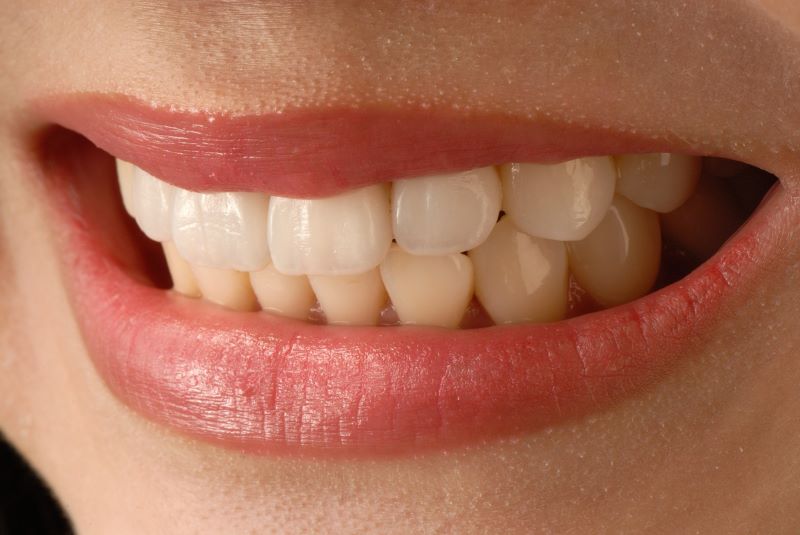
No one is perfect. Even with a committed oral hygiene routine, teeth can suffer the effects of decay because of age or genetics. Luckily, modern tooth restoration techniques can get a damaged tooth working and looking as good as new! There are two main categories of dental restorations.

Direct: These restorations, usually dental fillings, are completed in a single sitting. The tooth is cleaned and prepped and soft material is worked into the cavity, set into place, ground, and polished to ensure a smooth finish and perfect bite. 

Indirect: Sometimes, when damage to a tooth is more extensive, a dentist will take impressions and send them off to a lab, where a dental technician will fabricate the restoration outside the office. During a subsequent visit, the dentist will cement the restoration into place. Examples include:

  • Inlays and onlays (similar to fillings, but formed outside the office)
  • Bridges (false teeth to fill gaps in your smile)
  • Crowns (a cap for a damaged or weakened tooth)
  • Veneers (a porcelain shell that fits over the tooth for either protective or cosmetic purposes)

Achieve your best smile with Dr. Kevin Mahoney.

Whether you need your mouth to feel better or want your smile to look better, the staff at Sleep Dentistry Erie has the tools and the materials to get you there. Not only that, but you can also skip any pain and discomfort in the process thanks to safe, effective general anesthesia!

Get started