
Benefits of Sleep Dentistry

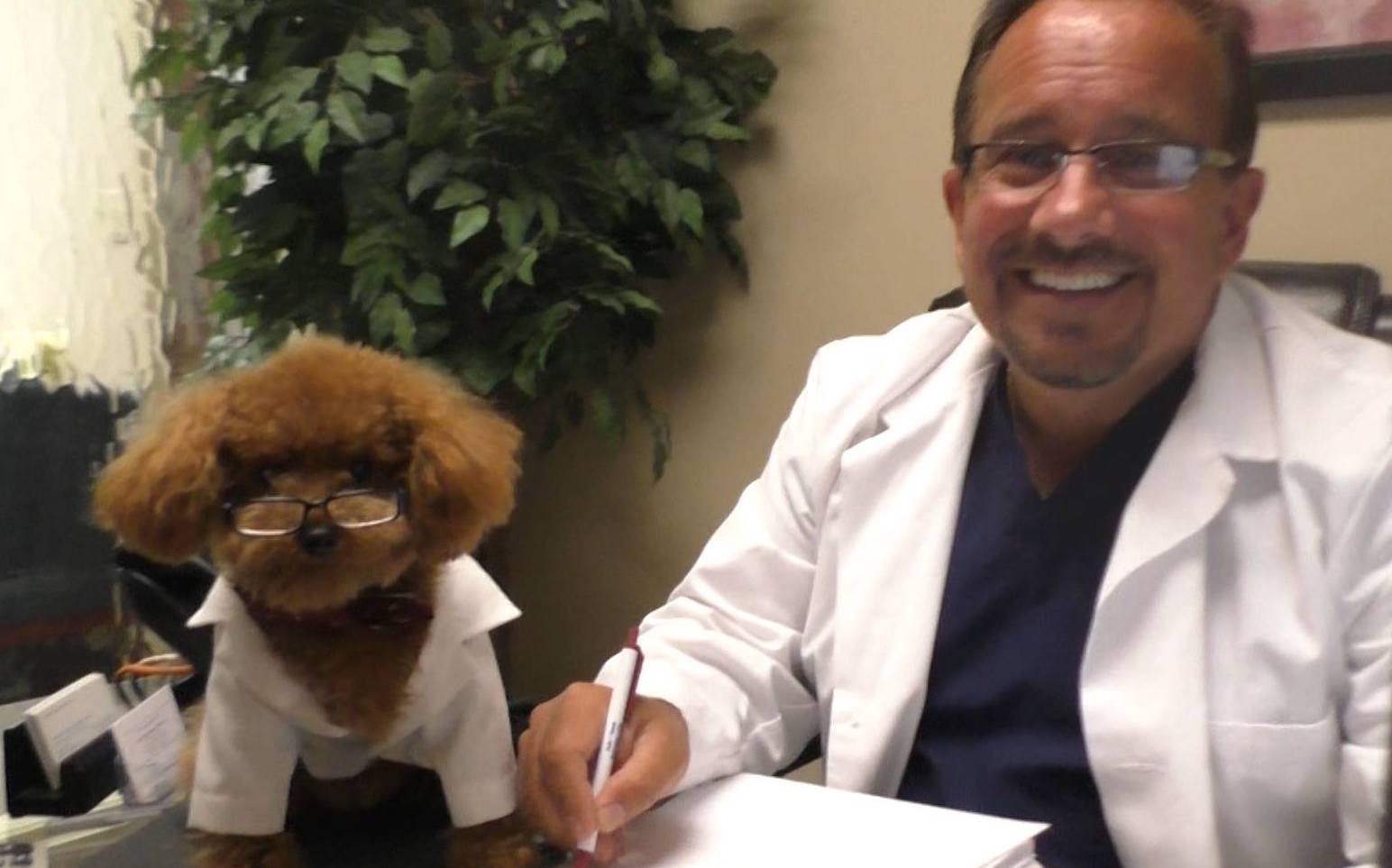
Dr. Kevin Mahoney is a board-certified dental anesthesiologist and has been providing the benefits of dental anesthesia, as well as other pain-free dentistry services, to his patients for decades. Those benefits include:

  • Relaxation and patient comfort
  • Effectiveness of dental procedures administered
  • Time-saving - several dental procedures during a single visit

If you are one of the many people in the United States with a dental phobia, Dr. Kevin Mahoney and his highly trained staff can help you have a comfortable dental visit, no matter how old you are.

"By striving to offer the highest quality dental care, I hope to motivate you to choose excellence and to enjoy the long-term benefits of that decision. Fear and anxiety is the number one reason people avoid necessary dental care. I am dedicated to the comfort of those who place their trust in me. Sleep dentistry is an affordable, safe way to better dental health. I am confident I can help you have a comfortable and enjoyable experience."

-Dr. Kevin Mahoney

Special Considerations, Special Care

Dr. Kevin Mahoney is the only dental anesthesiologist in the Erie area certified by the American Dental Association. Dental anesthesia is a safe, effective, and efficient way to administer high-quality, pain-free dental care to those who would avoid or refuse treatment altogether. Dr. Kevin Mahoney has extensive experience working with a wide variety of special needs patients, including:

  • Elderly adults with dementia
  • Uncooperative children
  • Those who can’t get numb from local anesthesia, such as Novocaine
  • Those with dental phobias

Everyone deserves quality dental care, but not everyone deserves the same approach. For many of us, a typical dental visit may not be enjoyable, but it is still tolerable. For others, even routine dental procedures bring an impossible mental or physical hurdle. For these patients, sleep dentistry may be the ideal solution.


Dental Anesthesiologist Erie, PA

Frequently Asked Questions

What is sleep dentistry?

There are many differences between general anesthesia and IV sedation that have a big impact on how the procedures are practiced in sleep dentistry. Many dental offices use the term sleep dentistry when actually talking about IV sedation. This can be confusing because “sleep dentistry” is more similar to and descriptive of general anesthesia.

When under general anesthesia, the certified anesthesiologist manages your breathing through a tube. General anesthesia affects the entire body rather than a localized, specific area. When recovering, patients slowly come out of a sedated state.

A few of the main components of general anesthesia include:

  • You are totally unconscious (asleep)
  • You will not feel pain
  • You will have little to no memory of the procedure

There are several other forms of dental sedation in addition to IV sedation and general anesthesia including oral sedation or the use of laughing gas (nitrous oxide). The dental staff and certified anesthesiologists of Sleep Dentistry will help you determine which procedure best fits your needs and desires.

How long will I be sedated with sleep dentistry?

The amount of time you are sedated depends on the amount of work that needs to be done. We are experts and will be able to approximate the right amount of time to get the most amount of work done, resulting in fewer appointments and less stress. The average timeframe to be sedated is between 1 and 6 hours, although that may vary.

Is sleep dentistry right for me?

Sleep Dentistry is especially perfect for people with dental phobias. The dental staff of Sleep Dentistry Erie has extensive experience in practicing safe dental anesthesia procedures on a wide range of patients.

Multiple factors are taken into consideration when determining if you would make a good candidate for sleep dentistry, such as your overall health, history of allergies, and your anxiety level.

Dental anesthesia works well for people who have:

  • Fear of the dentist
  • Difficulty getting numb
  • A bad gag reflex
  • Very sensitive teeth
  • A limited amount of time for treatment
  • Complex dental problems, including extractions and immediate dentures

Whether you're someone who has a disability that prevents you from receiving traditional dental treatment or you simply hate going to the dentist, our dental staff can help by providing relaxing dental anesthesia treatment.

Is sleep dentistry safe?

Yes, Dental Anesthesia is very safe as long as it's administered by a certified dental anesthesiologist. They are extensively trained in the outpatient setting to make your experience as pleasant as possible.

Are there any other dentists who perform sleep dentistry?

Currently, Dr. Kevin Mahoney is the only doctor to have an unrestricted general anesthesia permit in Erie, PA.

Will sleep dentistry cure my dental phobia?

Sleep Dentistry is not a cure for anxiety or dental phobia. It should be viewed more as a temporary solution. Although some people have reported lessened anxiety after completing a session, this may vary from person to person.

If you or someone you know has a special consideration preventing them from getting the quality dental care they need, schedule an appointment with Dr. Kevin Mahoney online or by calling (814) 833-3505.

Where To Find Us

Address: 3915 Caughey Rd, Erie, PA 16506

Recent Posts

Teething Relief: A Pediatric Dental Care Plan During Tooth Eruption

Posted on March 25th, 2020 at 10:43 AM
Teething Relief: A Pediatric Dental Care Plan During Tooth Eruption

As many parents know, babies aren't born with a mouthful of teeth. Twenty primary teeth lie hidden in the jawbone at birth and erupt throughout childhood. These teeth are also called baby teeth, milk teeth, and deciduous teeth. Babies may attempt to find relief from the pain and discomfort of teeth eruption by teething. Hands in mouth, excessive drooling, and general crankiness or restlessness are common indicators of teething. 

Be prepared, parents — teething occurs in five stages over an average span of two years, although some stages tend to be worse than others. But by incorporating a regular pediatric dental care plan at an early age, you’ll set your child up for better outcomes later on. 

The five stages of teething (and their associated primary teeth)

Although genetics have a role to play in the timing of tooth eruption, on average the first primary tooth emerges at around 6 months. You should be looking to schedule your child’s first dental visit soon after that.

Here's what you can expect during the teething phase:

Stage 1 (birth to 6 months)

At birth (except in rare cases), none of a baby’s primary teeth will have erupted. However, around the half-year mark, the first tooth will start to push against the gums.
Tooth count: 0

Stage 2: (6 to 8 months)

As soon as that first tooth erupts, the baby has entered the second teething stage. Generally speaking, this stage tends to be less painful than the following stages. That’s because the erupting teeth — the central and lateral incisors, used for shearing food — have a sharper edge and cut through the gums easier. Tooth count: 8

Stage 3 (10 to 14 months)

Around a child’s first birthday, their first molars will erupt. Given the larger size and flatter chewing surface of these teeth, their eruption can cause considerable discomfort, leading to a loss of appetite or sleep (sometimes loss of sleep for everyone).
Tooth count: 12

Stage 4 (16 to 22 months)

During the fourth stage, the canines will erupt. Because of their pointed shape (used for tearing), they can penetrate the gums more easily than the molars. Nonetheless, be on the lookout for signs of teething, as they can still cause discomfort.
Tooth count: 16

Stage 5 (25 to 33 months)

Between ages 2 and 3, the second set of molars will erupt — and perhaps cause the greatest level of pain, as they are the largest teeth in the mouth. Parents are advised to be patient and resourceful during this final stage of teething.
Tooth count: 20

A child in a stroller with a pacifier in their mouth

Best teething relief methods

When it comes to relieving your child’s teething woes, safety should be your first consideration. Start with simpler methods and only use approved medication as a last resort. 

Here is a basic order of operations you can follow to soothe your teething child:

  1. Gentle pressure with a clean finger
  2. A clean washcloth or piece of gauze
  3. A frozen washcloth or chilled fruit
  4. A teething ring made from solid rubber (be hypervigilant of materials and construction — avoid liquid-filled models, as they may be toxic if punctured)
  5. Teething toasts/crackers (monitor the child closely as small fragments could break off and pose a choking hazard)
  6. NSAID (non-steroidal anti-inflammatory drugs): If the child is under 6 months old, you may administer liquid acetaminophen (Tylenol) only — use your child’s most recent weight for dosing. Babies older than six months may be given liquid ibuprofen (Advil). Use this chart for dosing.

Do NOT use:

  • Aspirin
  • Teething necklaces (choking hazard)
  • Topical medications such as benzocaine or belladonna
  • Medications not approved by the FDA

Scheduling baby’s first dental appointments 

Even though a child's 20 primary teeth are temporary until their 32 adult teeth come in, caring for them is still important and shouldn't be neglected. And because deciduous teeth (deciduous meaning they’ll eventually fall out) have a thinner layer of enamel and are weaker than their adult counterparts, establishing a dental care regimen during a child’s early years is critical. 

  • Before 1st birthday: During a child’s first dental appointment, the pediatric dentist (pedodontist) will instruct parents or caregivers on the best oral care practices going forward. Recommendations may include drinking a small amount of fluoridated water and brushing young primary teeth with a rice grain-sized amount of fluoride toothpaste.

  • Between ages 1 and 2: The pediatric dentist will examine your child’s bite development, ask about pacifier use, and check for any other issues.

  • Between ages 2 and 3: When the child has developed enough, the pediatric dentist will discuss brushing teeth with a pea-sized amount of fluoride toothpaste and flossing techniques.

As the child grows older and more teeth begin to erupt, the dentist may apply fluoride varnishes to fortify the primary tooth enamel, especially the chewing surfaces of molars where food particles may get stuck.

Personable pedodontics care from Dr. Kevin Mahoney

Oral health and dental hygiene are crucial during your child's developmental stages. To stay up to date on dental milestones and best practices for your child's dental health, schedule an appointment with Dr. Kevin Mahoney today. Our office is eager to give your child a comfortable experience and help you better understand good dental health during childhood.

OUR SERVICES