Benefits of Sleep Dentistry

Dr. Kevin Mahoney is a board-certified dental anesthesiologist and has been providing the benefits of dental anesthesia, as well as other pain-free dentistry services, to his patients for decades. Those benefits include:

  • Relaxation and patient comfort
  • Effectiveness of dental procedures administered
  • Time-saving - several dental procedures during a single visit

If you are one of the many people in the United States with a dental phobia, Dr. Kevin Mahoney and his highly trained staff can help you have a comfortable dental visit, no matter how old you are.

"By striving to offer the highest quality dental care, I hope to motivate you to choose excellence and to enjoy the long-term benefits of that decision. Fear and anxiety is the number one reason people avoid necessary dental care. I am dedicated to the comfort of those who place their trust in me. Sleep dentistry is an affordable, safe way to better dental health. I am confident I can help you have a comfortable and enjoyable experience."

-Dr. Kevin Mahoney

Special Considerations, Special Care

Dr. Kevin Mahoney is the only dental anesthesiologist in the Erie area certified by the American Dental Association. Dental anesthesia is a safe, effective, and efficient way to administer high-quality, pain-free dental care to those who would avoid or refuse treatment altogether. Dr. Kevin Mahoney has extensive experience working with a wide variety of special needs patients, including:

  • Elderly adults with dementia
  • Uncooperative children
  • Those who can’t get numb from local anesthesia, such as Novocaine
  • Those with dental phobias

Everyone deserves quality dental care, but not everyone deserves the same approach. For many of us, a typical dental visit may not be enjoyable, but it is still tolerable. For others, even routine dental procedures bring an impossible mental or physical hurdle. For these patients, sleep dentistry may be the ideal solution.


Dental Anesthesiologist Erie, PA

Frequently Asked Questions

What is sleep dentistry?

There are many differences between general anesthesia and IV sedation that have a big impact on how the procedures are practiced in sleep dentistry. Many dental offices use the term sleep dentistry when actually talking about IV sedation. This can be confusing because “sleep dentistry” is more similar to and descriptive of general anesthesia.

When under general anesthesia, the certified anesthesiologist manages your breathing through a tube. General anesthesia affects the entire body rather than a localized, specific area. When recovering, patients slowly come out of a sedated state.

A few of the main components of general anesthesia include:

  • You are totally unconscious (asleep)
  • You will not feel pain
  • You will have little to no memory of the procedure

There are several other forms of dental sedation in addition to IV sedation and general anesthesia including oral sedation or the use of laughing gas (nitrous oxide). The dental staff and certified anesthesiologists of Sleep Dentistry will help you determine which procedure best fits your needs and desires.

How long will I be sedated with sleep dentistry?

The amount of time you are sedated depends on the amount of work that needs to be done. We are experts and will be able to approximate the right amount of time to get the most amount of work done, resulting in fewer appointments and less stress. The average timeframe to be sedated is between 1 and 6 hours, although that may vary.

Is sleep dentistry right for me?

Sleep Dentistry is especially perfect for people with dental phobias. The dental staff of Sleep Dentistry Erie has extensive experience in practicing safe dental anesthesia procedures on a wide range of patients.

Multiple factors are taken into consideration when determining if you would make a good candidate for sleep dentistry, such as your overall health, history of allergies, and your anxiety level.

Dental anesthesia works well for people who have:

  • Fear of the dentist
  • Difficulty getting numb
  • A bad gag reflex
  • Very sensitive teeth
  • A limited amount of time for treatment
  • Complex dental problems, including extractions and immediate dentures

Whether you're someone who has a disability that prevents you from receiving traditional dental treatment or you simply hate going to the dentist, our dental staff can help by providing relaxing dental anesthesia treatment.

Is sleep dentistry safe?

Yes, Dental Anesthesia is very safe as long as it's administered by a certified dental anesthesiologist. They are extensively trained in the outpatient setting to make your experience as pleasant as possible.

Are there any other dentists who perform sleep dentistry?

Currently, Dr. Kevin Mahoney is the only doctor to have an unrestricted general anesthesia permit in Erie, PA.

Will sleep dentistry cure my dental phobia?

Sleep Dentistry is not a cure for anxiety or dental phobia. It should be viewed more as a temporary solution. Although some people have reported lessened anxiety after completing a session, this may vary from person to person.

If you or someone you know has a special consideration preventing them from getting the quality dental care they need, schedule an appointment with Dr. Kevin Mahoney online or by calling (814) 833-3505.

Where To Find Us

Address: 3915 Caughey Rd, Erie, PA 16506

Recent Posts

What To Do About Sudden Tooth Pain

Posted on September 8th, 2023 at 11:39 AM
What To Do About Sudden Tooth Pain

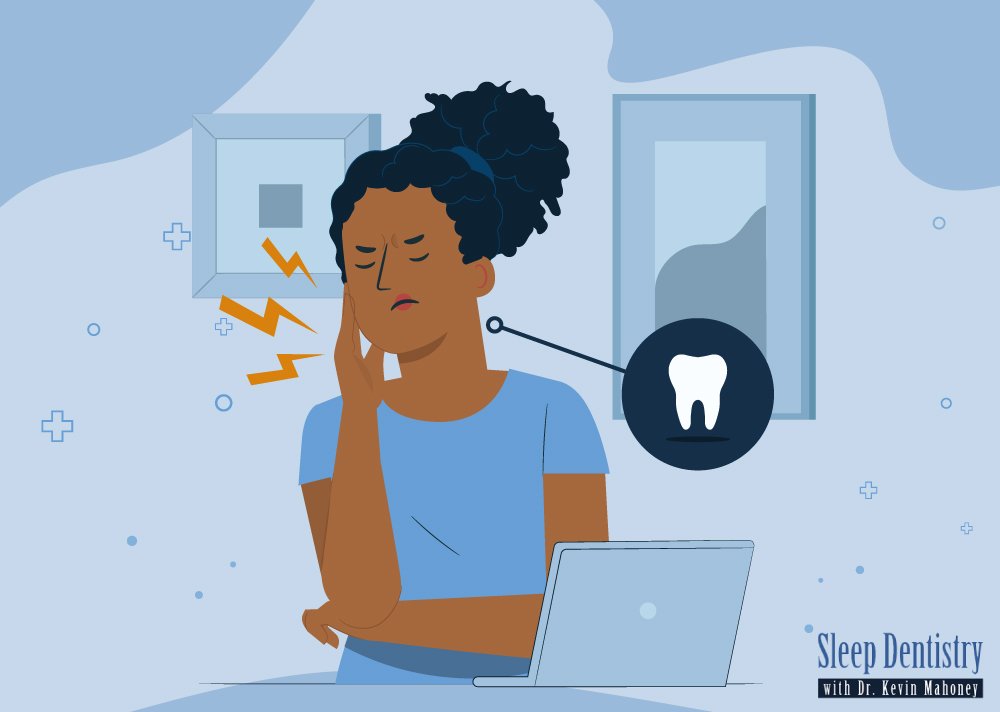
Have you ever woken up with a toothache that was gone before lunchtime? Do you avoid biting into ice cream because it hurts your teeth when you do? Has your mouth been aching on and off ever since you started using whitening strips? If you answered yes to any of these questions, then you have experience with sudden tooth pain. 

Why Am I Experiencing Sudden Dental Pain?

Not every toothache means your tooth is about to fall out. Sudden, sharp tooth pain that goes away over time can have several causes, including:

Cavity

A common cause of acute dental pain is cavities. As plaque builds up on your teeth, it eats through the enamel. This leaves permanent holes in the surface of your teeth. While easily treated by a professional, they are painful and grow until treated. 

Eroding Enamel

Over time, the enamel coating your teeth can erode due to aggressive brushing, eating highly acidic foods, or even eating disorders, particularly bulimia. This can make your teeth ache due to increased sensitivity. Eroded enamel can also make your teeth sensitive to hot or cold foods. 

Receding Gums

Your gums help to protect the nerve endings near the roots of your teeth. If the tissue is worn down, your gums will recede and expose these nerves, which can make your teeth more sensitive. 

Grinding Your Teeth

Grinding or clenching your jaw can wear down enamel and put pressure on your teeth, causing pain. Many people clench their jaws in their sleep or during stressful situations, which means you could be damaging your enamel without realizing it. 

Recent Dental Procedures

If you recently had dental work done, your teeth may be sore. Even routine professional teeth cleaning can leave them tender for a day or two, so don’t worry—in this case, some discomfort is completely normal. 

Teeth Whiteners

Teeth whitening products such as whitening strips or bleaching gels can make your teeth more sensitive, leading to dental pain. This is because many at-home tooth whiteners use active ingredients such as hydrogen peroxide, which thins enamel and irritates dental nerves. 

At-Home Management of Acute Dental Pain

Even if you’re unsure of the cause, it’s possible to treat some dental pain at home. Note that these methods are only for minor issues; serious ones should be treated by a dentist. 

Rinsing with Salt Water

Rinsing your mouth with salt water is a quick, easy way to disinfect minor wounds and loosen debris in your mouth. It can also help to ease swelling. 

Cold Compresses

A cold compress applied to the jaw can help numb tooth pain. If you’re making your own, be sure not to apply ice or an ice pack directly to your skin—wrap it in a cloth first. 

Avoiding Crunchy/Non-Room Temperature Foods

If you’re experiencing pain when eating hot, cold, or crunchy foods, avoiding them can alleviate your discomfort. This won’t solve the sensitivity, but it will spare you some tooth pain. 

Oral Analgesics

Oral analgesics are painkillers taken by mouth and can be useful for stopping dental pain. For example, over-the-counter medicine like Ibuprofen is a great way to deal with minor toothaches. If you’re experiencing bleeding, avoid Tylenol and Aspirin—the active ingredients can make you bleed more. 

Stop Using Teeth Whiteners

If you’re using teeth whitening products, try avoiding them for a few days to see if your pain and sensitivity subside. 

When to See a Professional

Home remedies will only get you so far when it comes to dental pain. You should seek out a professional if you experience one or more of the following symptoms: 

  • Pain that lasts more than 48 hours
  • Pain is accompanied by a fever or headache
  • Chipped or cracked teeth
  • Persistent bleeding
  • Pus 

These symptoms are signs of a more serious issue, such as serious damage or an infection, that won’t go away without professional medical intervention. 

Pain-Free Treatment at Sleep Dentistry

If you’re suffering from a cavity, cracked tooth, or other painful dental issue, come to Sleep Dentistry. As the only licensed dental anesthesiologist in Erie and one of only 300 in the US, Dr. Kevin Mahoney can ensure that you sleep through your procedure completely pain-free. Schedule an appointment with Sleep Dentistry today and rest easy knowing your dental care is in good hands. 

SCHEDULE AN APPOINTMENT