


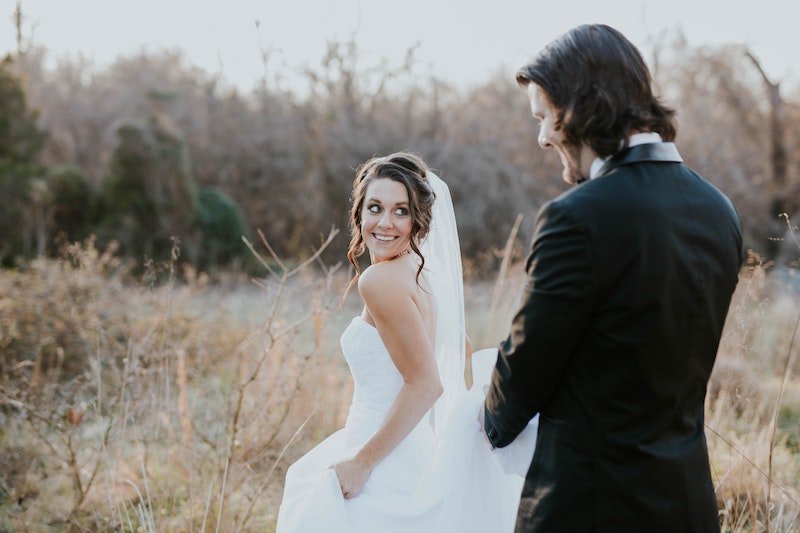
Your wedding day is probably going to be one of the biggest days of your life, and it’s certainly a day you want to look and feel your best on!
A bright, white, healthy smile goes a long way toward helping you feel confident walking down the aisle, not to mention taking all those wedding photos that are going to be around forever.
Whether your teeth need a little whitening, or you have bigger issues like misshapen or misaligned teeth, cosmetic dentistry is here to come to your rescue!
In this post, we’ll go over some of the cosmetic dental procedures that you can choose from to give your smile a dazzling makeover that you’ll be proud to show off on your big day.
Teeth Whitening for Brides (or Grooms)
Teeth whitening is one of the most popular pre-wedding smile makeover treatments. However, there are many different types of whitening treatments out there, so it’s important to know what the differences are to ensure you get the results you’re looking for.
In general terms, teeth whitening treatments fall into one of two categories: at-home teeth whitening or professional teeth whitening. Both at-home and professional whitening can be effective, but you usually see quicker, more drastic results from professional treatments.
Types of at-home teeth whitening products:
- Whitening toothpaste
- Whitening strips and trays
- LED whitening devices
The wide range of products available for whitening teeth at home makes doing it yourself an appealing, convenient option. On average, if you stick to an at-home whitening routine, you can expect to see your teeth lighten by somewhere from 3-8 shades.
On the other hand, professional teeth whitening procedures can brighten your teeth by up to 16 shades.
In-office teeth whitening procedures are much more specialized and you will require fewer treatments to see results, making professional teeth whitening an attractive choice for brides- and grooms-to-be when the big date is approaching fast!
At Sleep Dentistry, we offer our Lifetime Whitening program to regular patients for a one-time enrollment fee of just $99 (the program is valued at over $400).
Reshaping and Contouring Teeth
When it comes to misshapen teeth, there are a couple of quick fixes you can opt for before your wedding day: dental bonding and dental contouring.
Dental bonding is a procedure in which a dentist applies a tooth-colored composite resin to a misshapen tooth to repair damage or make it look more aesthetically pleasing.
Dental contouring is the opposite of bonding. The dentist removes some of your tooth’s enamel to reshape the tooth and improve the look of your smile.
Both of these procedures are great ways to make your smile more symmetrical and fix minor issues before you get in front of the camera on your special day.
Realigning Teeth
If you have bigger problems with misaligned teeth, orthodontic treatments are the most effective way to make major corrections to your smile. However, when you’re getting ready for a wedding, you probably don’t have the time or desire to deal with getting traditional braces.
In that case, there are still some other potential solutions that can help you align your teeth and fix your smile before you tie the knot.
One of the options available to you is to use invisible aligners, known more commonly as Invisalign braces. These are completely custom-made clear plastic trays that fit over each row of teeth that you want to realign.
The exact length of treatment varies from patient to patient, but you will change the trays every 2 weeks (switching to a tighter tray) until your smile’s alignment is corrected. Most people change their invisible aligners somewhere from 18-30 times throughout their treatment.
Benefits of invisible aligners:
- Virtually invisible
- Can be removed at will
- No dietary restrictions
- Tend to be faster than traditional braces
Another option for realigning your teeth quickly is what’s known as accelerated orthodontics. These are relatively new types of orthodontic treatments that use additional devices or procedures along with braces to reduce the amount of time you need to wear the braces.
Accelerated orthodontic procedures can work in different ways, but they all aim to stimulate the bone tissue in your jaw to make your teeth move faster in the tissue. These treatments can cut down the length of time you’re in braces by 30-50 percent.
Total Makeover with Veneers
If you want a total bridal smile makeover before the big day, you may decide that dental veneers are the best choice for you and your teeth.
What Are Dental Veneers?
Dental veneers are thin, tooth-colored shells made from porcelain or resin composites that get permanently bonded to the surfaces of your existing teeth. They are typically used to cover up chipped, broken, abnormally small, or severely discolored teeth.
If you’re self-conscious about your teeth, particularly your top front teeth, you can give your smile a completely new look by getting somewhere from 6-8 dental veneers installed.
Your new dental veneers will cover the whole front surfaces of the teeth they’re applied to, truly giving you a new smile!
How Are Dental Veneers Applied?
There are a few different types of dental veneers, and some require less prep work than others. However, the most common types of veneers are porcelain, which requires the dentist to remove some of your existing tooth structure before bonding them to your teeth.
If you decide to get dental veneers from Sleep Dentistry, we can use either local anesthesia or dental sedation to make you as comfortable as possible during this whole process.
Get Ready for the Big Day with Dr. Kevin Mahoney
At Sleep Dentistry, Dr. Kevin Mahoney offers a wide range of cosmetic dentistry services, including smile makeovers for weddings.
If visiting the dentist’s office makes you nervous and anxious, or if you have a serious phobia of getting dental work done, any of our cosmetic dental procedures can be completed with you under dental anesthesia. You’ll be in and out of our office before you know it!
Whether you're the bride or the groom, we’re here to help you look and feel your best on your big day. We can even give the whole wedding party smile makeovers, so everyone’s smiling with confidence in your wedding photos!
Contact us today for more information about our cosmetic dentistry services or to schedule an appointment with Dr. Mahoney.