

Autism Spectrum Disorder (ASD) is a developmental condition characterized by varying degrees of social interaction, communication challenges, and repetitive behaviors. For those with ASD, maintaining oral health presents unique challenges, making special needs dental care essential.
Dental hygiene can be particularly daunting for individuals with ASD due to sensory sensitivities, communication barriers, and behavioral differences. These challenges highlight the importance of finding a dentist who is not only skilled but also trained in ASD care. In this post, we’ll explain why an ASD credentialed dentist is key to addressing the specific dental needs of patients with ASD, ensuring they receive compassionate and effective treatment.
Understanding ASD
Autism Spectrum Disorder is a complex neurodevelopmental condition that involves persistent challenges in social interaction, speech and nonverbal communication, and restricted/repetitive behaviors. The effects and severity of ASD can vary widely, but most behaviors typically first appear in early childhood.
A significant aspect of ASD is sensory processing issues. Many individuals with autism experience hypersensitivities to sounds, lights, touch, tastes, and smells. This heightened sensory awareness impacts various activities of daily life, including dental care.
Common Dental Challenges in ASD
The unique needs of individuals with ASD present specific obstacles that can make oral hygiene a complex task — for both patients and caregivers.
Sensory Sensitivities and Oral Care
For many with ASD, the intense sensations of brushing, flossing, and dental examinations may be overwhelming. The feel of a toothbrush or the taste and texture of toothpaste might trigger adverse reactions, making routine oral care a challenge.
Behavioral Challenges During Dental Procedures
Dental visits can be particularly stressful for those with ASD. The unfamiliar environment, bright lights, and the need to sit still for prolonged periods often lead to anxiety or behavioral outbursts. These reactions are typically responses to the stress associated with overstimulation.
Communication Barriers
Individuals with ASD might find it difficult to express their discomfort or understand the instructions provided by dental professionals. This barrier can complicate the process of diagnosing and treating dental issues.
Preparing for Dental Visits
Dental visits will become more manageable in the right environment, ensuring a comfortable experience for the patient. Learn how to effectively prepare for an appointment.
Finding an ASD Friendly Dental Practice
It’s crucial to select a dental practice that not only understands ASD but also has specific protocols in place to accommodate the needs of patients with sensory sensitivities and communication challenges.
Here at Sleep Dentistry, we have created a safe space for our ASD patients that allows them to receive expert dental care without unnecessary stress. From dental anesthesia options to licensed therapy dogs, our practice will always go the extra mile to guarantee a safe, effective visit.
Importance of an ASD Credentialed Dentist
A dentist experienced in working with special needs patients will be more adept at handling the nuances and unpredictabilities associated with ASD. Their expertise can make a significant difference in ensuring the dental care provided is both effective and compassionate.
Dr. Mahoney has extensive experience accommodating patients with special needs. Above all else, he is committed to treating every patient with the utmost care and respect, no matter their situation.
Desensitization Techniques
Gradually introducing the individual to the dental environment can help reduce anxiety. This might include visiting the clinic before the actual appointment to familiarize the patient with the sights, sounds, and smells.
Comfort Items and Coping Strategies
Allowing the patient to bring a favorite toy, blanket, or other comfort items provides a sense of security. Discussing coping strategies like hand signals or taking breaks can also be arranged with our dental staff to manage stress during the procedure.
At-Home ASD Dental Care
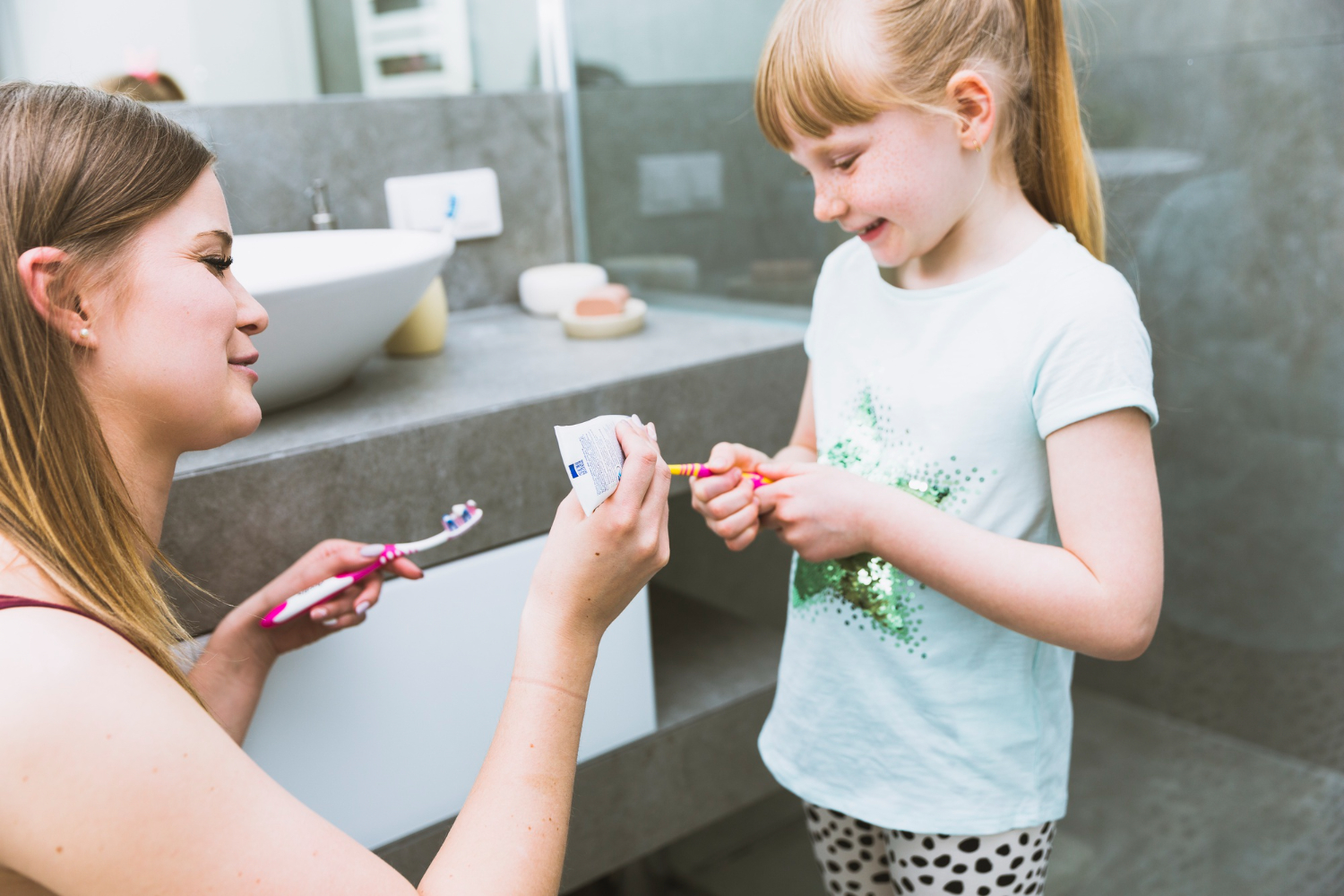
Maintaining daily oral hygiene is crucial for everyone, including individuals with ASD. Here are a few strategies to help them manage dental care at home effectively.
Establishing a Routine
Consistency is key in helping individuals with ASD adapt to regular dental care. Establishing a predictable routine reduces anxiety and helps the individual understand and accept dental hygiene as a regular part of their day. Breaking down the process into clear, manageable steps can be very helpful. Consider using visual aids like charts that demonstrate each step, which makes the process easier to follow.
Selecting the Right Tools
Selecting the right oral care products is crucial. For those with sensory sensitivities, it may be necessary to try toothbrushes with softer bristles or smaller heads. Similarly, toothpaste flavors that are not too strong or abrasive might be more acceptable.
If traditional toothbrushes and toothpaste are not suitable, consider alternatives like electric toothbrushes (which can be easier to handle) or dental wipes (which can be less invasive). Water flossers are also a good alternative to traditional flossing, especially for those who find it difficult.
Overcoming Resistance to Oral Care
Using a system of positive reinforcement can encourage cooperation and make dental care more appealing. Rewards can be simple, such as stickers or a favorite activity after successful dental care.
You might also try introducing new dental practices slowly to ease the individual into the routine without overwhelming them. Start with very short sessions and gradually increase the time as they become more comfortable.
Professional Dental Care for ASD Patients
Providing optimal dental care for patients with Autism Spectrum Disorder requires specialized knowledge and adaptations from an ASD certified dentist.
Training and Education for Dental Professionals
Dental professionals must be equipped with a thorough understanding of ASD and how it can affect dental care. This includes recognizing the unique sensory, communication, and behavioral needs associated with ASD.
Dentists should be familiar with the common challenges faced by individuals with ASD, such as heightened sensory sensitivities and communication barriers. This knowledge is crucial for creating a supportive care environment for all.
Tailoring Treatment Plans to Individual Needs
Each patient is unique, so their treatment plan should be the same! An ASD certified dentist will consider individual preferences, behaviors, and comfort levels when planning dental procedures. This might involve shorter visit times, breaks during treatments, or even gradual desensitization to dental care practices.
Improving Dental Health for ASD Patients
Individuals with ASD often face specific dental health challenges that require careful attention and management. Understanding these issues (and how to address them) can significantly improve their oral health.
Identifying Dental Problems
Recognizing dental issues in individuals with ASD may be challenging, especially for those who are non-verbal. Caregivers and dental professionals need to be vigilant in observing signs that may indicate dental problems, such as:
- Changes in eating habits, such as refusing food or favoring one side of the mouth while chewing
- Noticeable redness, swelling, or bleeding in the gums
- Bad breath
- Frequent touching of the face or mouth
- Increased irritability, agitation, or aggression
- A sudden increase in self-soothing behaviors, such as rocking or hand-flapping
Routine Checks
Regular dental check-ups are vital for early detection of dental problems. An ASD credentialed dentist is better equipped to conduct thorough examinations while minimizing stress for the patient. These professionals can also guide caregivers on how to perform regular at-home inspections of the individual’s mouth to catch potential issues early.
Diet and Nutrition for Oral Health
A balanced diet low in sugary snacks and beverages can help reduce the risk of cavities or other dental problems. Including foods rich in calcium and phosphorus will help strengthen teeth over time.
Fluoride Treatments and Sealants
Fluoride treatments help strengthen the enamel and prevent tooth decay. Dental sealants provide a protective barrier against bacteria on the teeth's surfaces, particularly in the back teeth where decay often starts.
Addressing Teeth Grinding and Other Oral Habits
Teeth grinding (bruxism) is common in individuals with ASD and can lead to tooth wear, as well as an increased risk of dental problems. Using mouthguards or other protective devices helps mitigate the effects of grinding. Behavioral interventions may also be necessary to address and modify these habits.
Better Oral Care for All with Sleep Dentistry!
At Sleep Dentistry, it’s our mission to lessen barriers to dental care for all patients. As an ASD credentialed dentist and anesthesiologist, Dr. Mahoney has years of experience providing our patients with stress-free care — with a little help from our resident therapy dogs, Gizmo and Gadget! Schedule an appointment with us today and experience the difference!