

Benefits of Sleep Dentistry

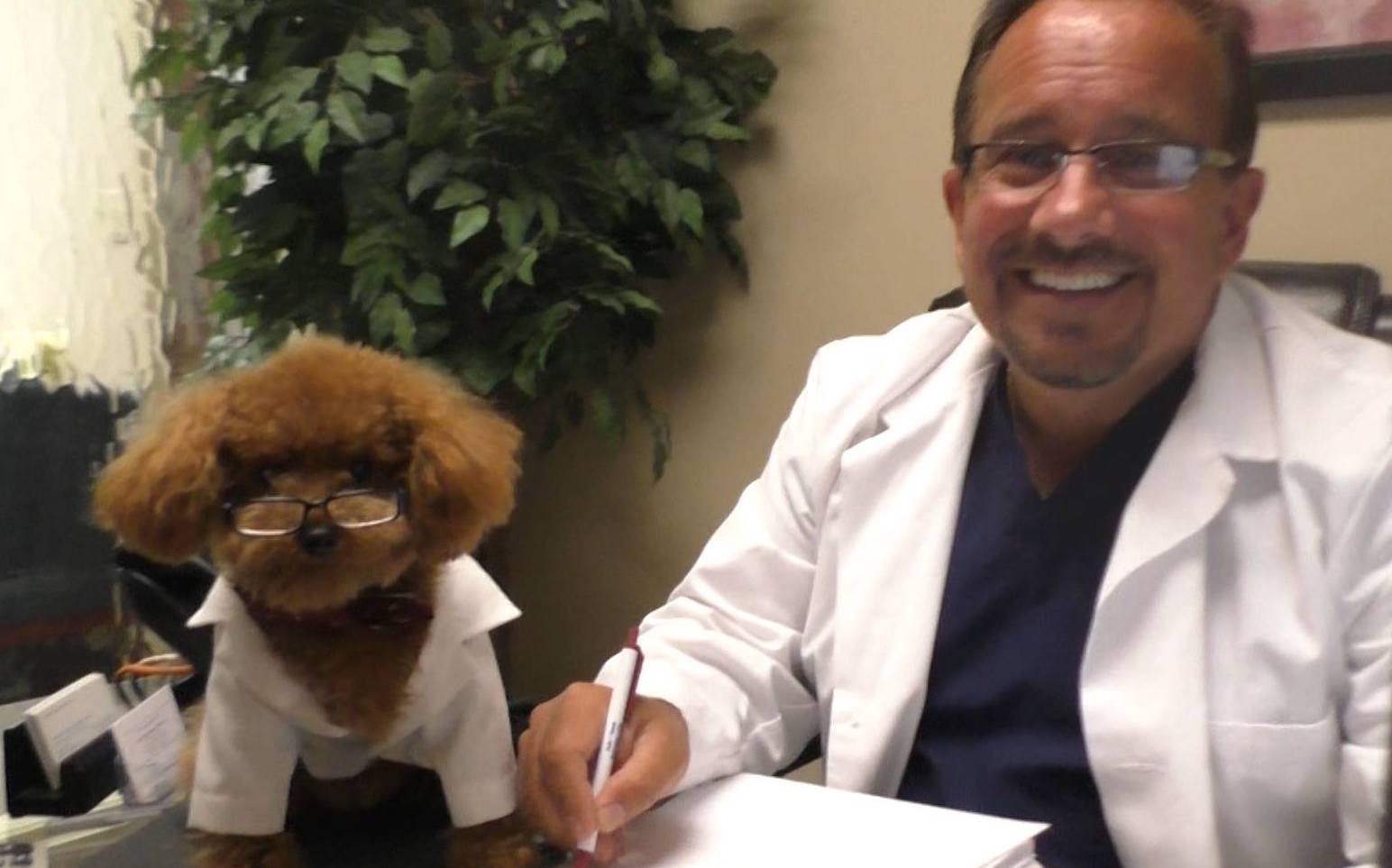
Dr. Kevin Mahoney is a board-certified dental anesthesiologist and has been providing the benefits of dental anesthesia, as well as other pain-free dentistry services, to his patients for decades. Those benefits include:

  • Relaxation and patient comfort
  • Effectiveness of dental procedures administered
  • Time-saving - several dental procedures during a single visit

If you are one of the many people in the United States with a dental phobia, Dr. Kevin Mahoney and his highly trained staff can help you have a comfortable dental visit, no matter how old you are.

"By striving to offer the highest quality dental care, I hope to motivate you to choose excellence and to enjoy the long-term benefits of that decision. Fear and anxiety is the number one reason people avoid necessary dental care. I am dedicated to the comfort of those who place their trust in me. Sleep dentistry is an affordable, safe way to better dental health. I am confident I can help you have a comfortable and enjoyable experience."

-Dr. Kevin Mahoney

Special Considerations, Special Care

Dr. Kevin Mahoney is the only dental anesthesiologist in the Erie area certified by the American Dental Association. Dental anesthesia is a safe, effective, and efficient way to administer high-quality, pain-free dental care to those who would avoid or refuse treatment altogether. Dr. Kevin Mahoney has extensive experience working with a wide variety of special needs patients, including:

  • Elderly adults with dementia
  • Uncooperative children
  • Those who can’t get numb from local anesthesia, such as Novocaine
  • Those with dental phobias

Everyone deserves quality dental care, but not everyone deserves the same approach. For many of us, a typical dental visit may not be enjoyable, but it is still tolerable. For others, even routine dental procedures bring an impossible mental or physical hurdle. For these patients, sleep dentistry may be the ideal solution.


Dental Anesthesiologist Erie, PA

Frequently Asked Questions

What is sleep dentistry?

There are many differences between general anesthesia and IV sedation that have a big impact on how the procedures are practiced in sleep dentistry. Many dental offices use the term sleep dentistry when actually talking about IV sedation. This can be confusing because “sleep dentistry” is more similar to and descriptive of general anesthesia.

When under general anesthesia, the certified anesthesiologist manages your breathing through a tube. General anesthesia affects the entire body rather than a localized, specific area. When recovering, patients slowly come out of a sedated state.

A few of the main components of general anesthesia include:

  • You are totally unconscious (asleep)
  • You will not feel pain
  • You will have little to no memory of the procedure

There are several other forms of dental sedation in addition to IV sedation and general anesthesia including oral sedation or the use of laughing gas (nitrous oxide). The dental staff and certified anesthesiologists of Sleep Dentistry will help you determine which procedure best fits your needs and desires.

How long will I be sedated with sleep dentistry?

The amount of time you are sedated depends on the amount of work that needs to be done. We are experts and will be able to approximate the right amount of time to get the most amount of work done, resulting in fewer appointments and less stress. The average timeframe to be sedated is between 1 and 6 hours, although that may vary.

Is sleep dentistry right for me?

Sleep Dentistry is especially perfect for people with dental phobias. The dental staff of Sleep Dentistry Erie has extensive experience in practicing safe dental anesthesia procedures on a wide range of patients.

Multiple factors are taken into consideration when determining if you would make a good candidate for sleep dentistry, such as your overall health, history of allergies, and your anxiety level.

Dental anesthesia works well for people who have:

  • Fear of the dentist
  • Difficulty getting numb
  • A bad gag reflex
  • Very sensitive teeth
  • A limited amount of time for treatment
  • Complex dental problems, including extractions and immediate dentures

Whether you're someone who has a disability that prevents you from receiving traditional dental treatment or you simply hate going to the dentist, our dental staff can help by providing relaxing dental anesthesia treatment.

Is sleep dentistry safe?

Yes, Dental Anesthesia is very safe as long as it's administered by a certified dental anesthesiologist. They are extensively trained in the outpatient setting to make your experience as pleasant as possible.

Are there any other dentists who perform sleep dentistry?

Currently, Dr. Kevin Mahoney is the only doctor to have an unrestricted general anesthesia permit in Erie, PA.

Will sleep dentistry cure my dental phobia?

Sleep Dentistry is not a cure for anxiety or dental phobia. It should be viewed more as a temporary solution. Although some people have reported lessened anxiety after completing a session, this may vary from person to person.

If you or someone you know has a special consideration preventing them from getting the quality dental care they need, schedule an appointment with Dr. Kevin Mahoney online or by calling (814) 833-3505.

Where To Find Us

Address: 3915 Caughey Rd, Erie, PA 16506

Recent Posts

Why Your Dental Phobia Is Manageable

Posted on March 24th, 2021 at 11:07 AM
Why Your Dental Phobia Is Manageable

If you were to compile a list of the world’s common phobias, dentophobia, or fear of the dentist, would no doubt be near the top. Dental phobias affect between 5 to 8 percent of all dental patients and are much more difficult to manage than the less intense, more generalized dental anxiety that about one-fifth of us experience. 

Whereas dental anxiety would make a patient hesitate to visit the dentist, a dental phobia would make a patient avoid it at almost any cost — sometimes even if that means delaying necessary, urgent, or emergency dental treatment. Given the vital role oral health plays in overall health, conquering dental phobias is one of the top goals of dental professionals.

Dental phobia symptoms

Dental phobia symptoms are consistent with those of other phobias and may include sweating, muscle tension, a racing or palpable heartbeat, and low blood pressure potentially leading to fainting. It’s a physiological response that begins in the brain’s limbic system, which is heavily involved in the activation of our endocrine (hormone-producing) system and, in turn, our body’s fight-or-flight response. 

The brain’s hippocampus and prefrontal cortex, which govern memory and logical thought, ordinarily help us rein in our fears. However, those suffering from a phobia may not be able to control their response so easily, if at all. Dental professionals must exercise care and understanding with these patients, with the realization that their extreme fear may very well have a physiological basis. 

Dental phobia causes

Dental phobias can derive from external causes or be internally wired into our genes and personalities. 

External causes of dental phobias

  1. Direct previous traumatic experiences, particularly during childhood
  2. Indirect vicarious experiences, or dental phobia “learned” from the traumas of others or from media (books, TV, movies, etc.)

Internal causes of dental phobias

  1. As suggested earlier, there may be a physiological basis for dental phobias — in particular a disconnect between the brain’s emotional and logical processing areas. 
  2. Genetics — it is possible to inherit dental phobia
  3. Personality and personality disorders — one study revealed that extraversion and neuroticism significantly correlate with the incidence of dental anxiety
  4. Cognitive ability — individuals with developmental or intellectual disorders are less able/likely to express themselves verbally or emotionally, which elevates stress and tension.

Dental phobia treatments

Dental phobia treatments can take either a psychotherapeutic or a pharmacological approach. The most broadly accepted psychotherapeutic treatments attempt to rewire negative patterns of thought and behavior surrounding dental visits (cognitive-behavioral therapy); pharmacological approaches involve the administration of dental sedatives or anesthetics.

Psychotherapeutic treatments

Patients receive psychotherapeutic treatment for their dental phobias predominantly outside the dentist’s office — more likely working with a licensed therapist or counselor. These professionals may apply several therapies, which may include deep breathing and muscle relaxation techniques, desensitization or exposure therapy, biofeedback, hypnosis, or even acupuncture. 

However, there are several things your dentist can (and should) do to help ease your mind — these include creating a pleasant office environment (e.g., through guided imagery and/or sound) and above all COMMUNICATION. 

The notion of being powerless or not in control is at the root of dental anxiety and phobia.  Techniques such as “tell-show-do” (calmly talking about and demonstrating each step in a procedure and then doing exactly that), modeling (observing an unafraid patient of a similar demographic receiving a similar treatment), and signaling (e.g. a raised hand to stop) give patients a sense of agency as they work through their fears.

Pharmacological treatments

Pharmacological treatments for dental phobias include any combination of medications that help suppress pain, induce a loss of consciousness or memory, and/or relax the mind and body. Sedation dentistry takes the approach of blurring the patient’s memory and response to pain along a continuum; sleep dentistry is synonymous with general dental anesthesia, wherein the patient is unconscious and involuntary functions like breathing are controlled by a certified anesthesiologist. Read our previous blog post to learn all the differences between sedation dentistry and sleep dentistry

Conquer your fear of the dentist

At Sleep Dentistry with Dr. Kevin Mahoney, we are committed to helping our patients conquer their dental anxiety or dental phobia. We value transparency and communication with our patients and offer sleep dentistry as a means to get more crucial dental work done in less time, without fear or pain. 

REQUEST AN APPOINTMENT